
Podcast: The Blind Stylist: Tilly Dowler on fashion, confidence and living with stargardt disease
Lauren sits down with Tilly Dowler, know to many on social media as @The_Blind_Stylist.
Search results
Lauren sits down with Tilly Dowler, know to many on social media as @The_Blind_Stylist.
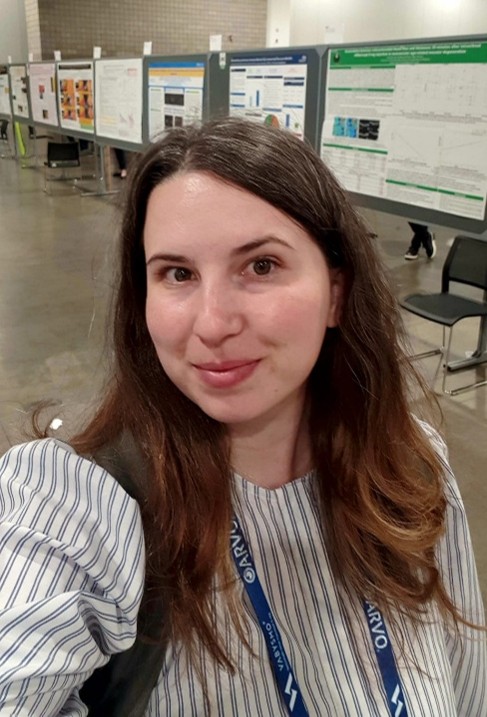
Gabriel Velichkova is in the second year of her Retina UK and Macular Society joint-funded PhD project at University College London (UCL) Institute of Ophthalmology.
Ray Therapeutics, a clinical stage biopharmaceutical company, is currently investigating their lead optogenetic therapy candidate, RTx-015, in early stage clinical trials for those with RP and Choroideremia.

We are proud to work collaboratively with a number of corporate partners to enable our community to live fulfilled lives today as well as supporting the pharmaceutical industry in their mission to develop potential new treatments.
Biotechnology company Ocugen has announced the enrolment completion of their phase 3 clinical trial for OCU400.
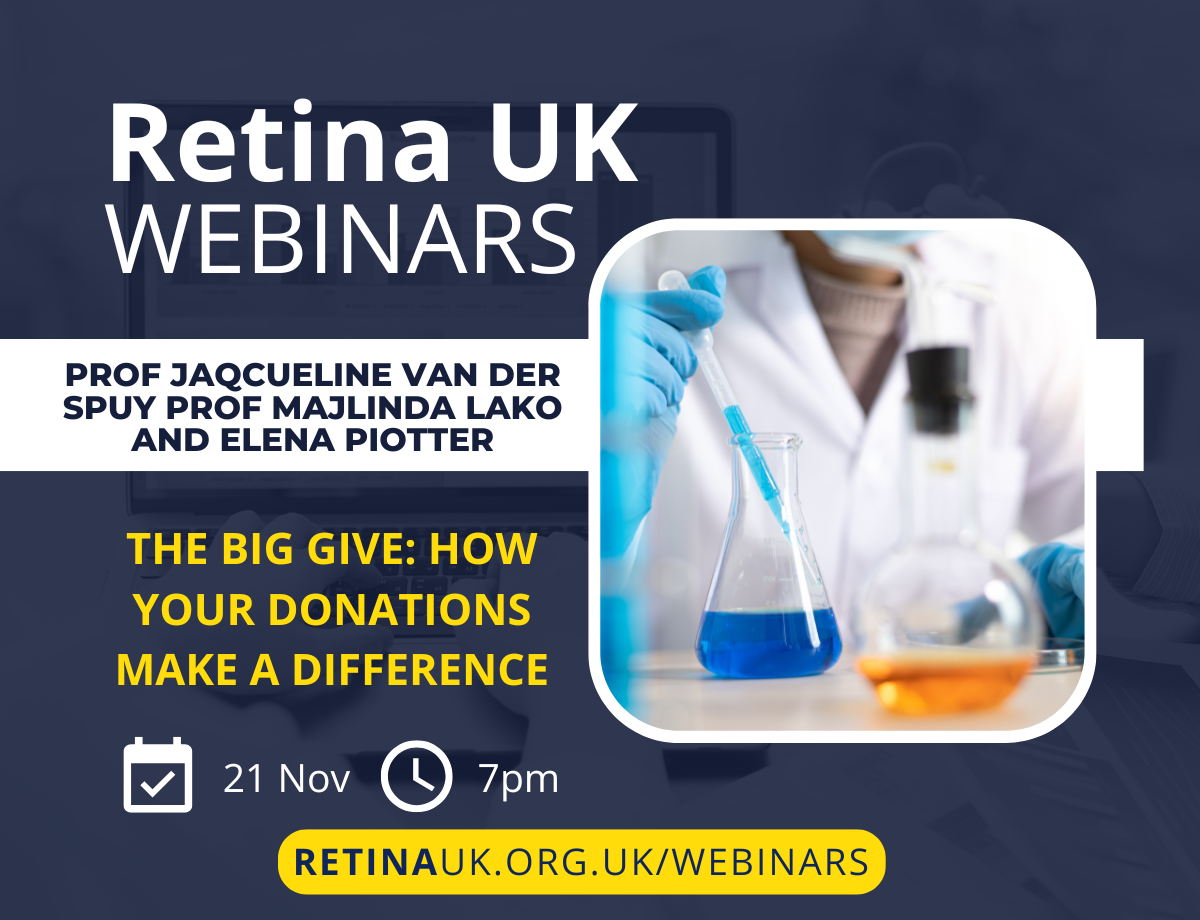
Join us to find out how your donations make a direct different and fund research.
Join us to find out how your donations make a direct different and fund research.
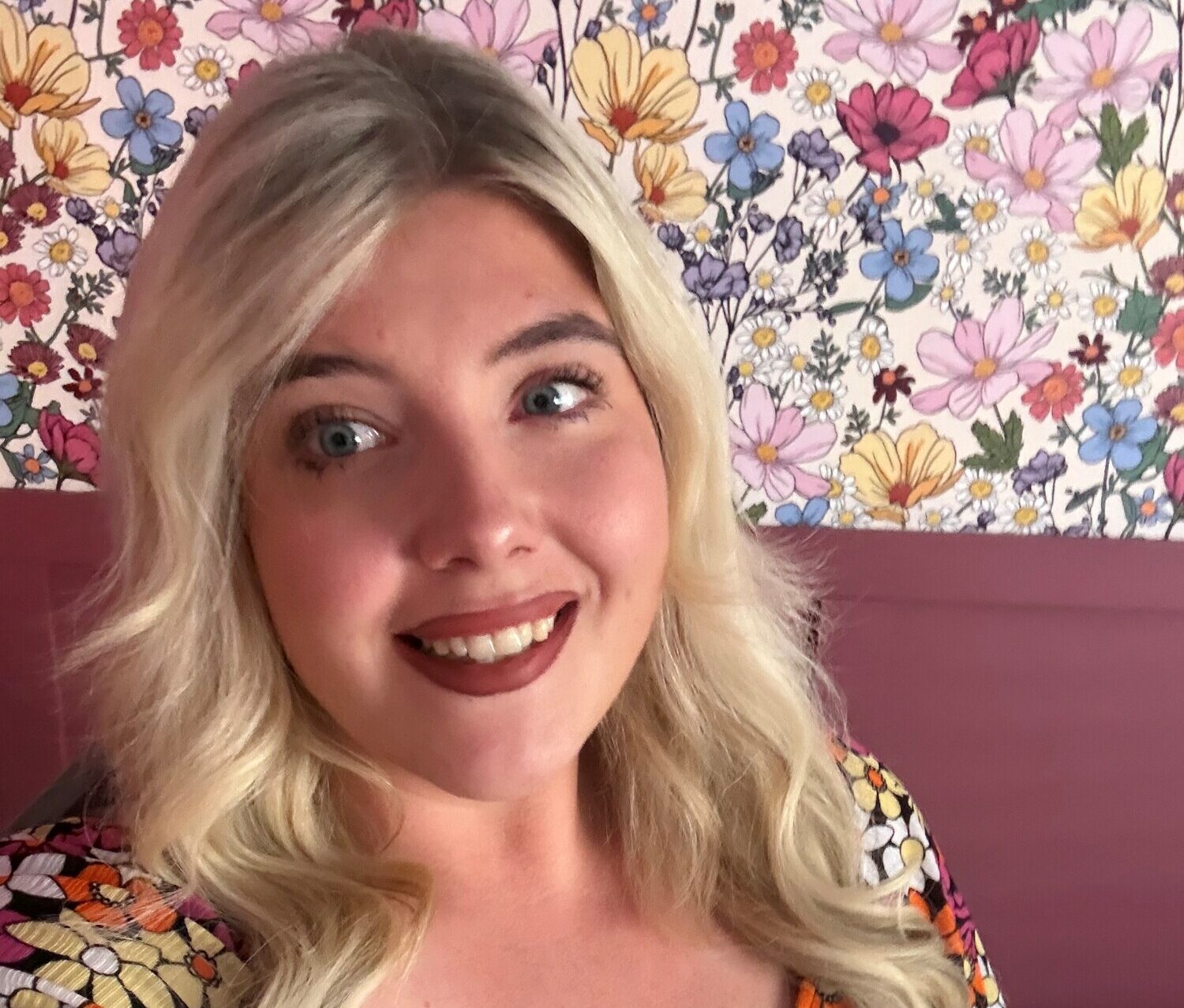
When Tilly Dowler talks about sight loss, she does so with honesty, humour and an infectious determination to make the most of every opportunity.
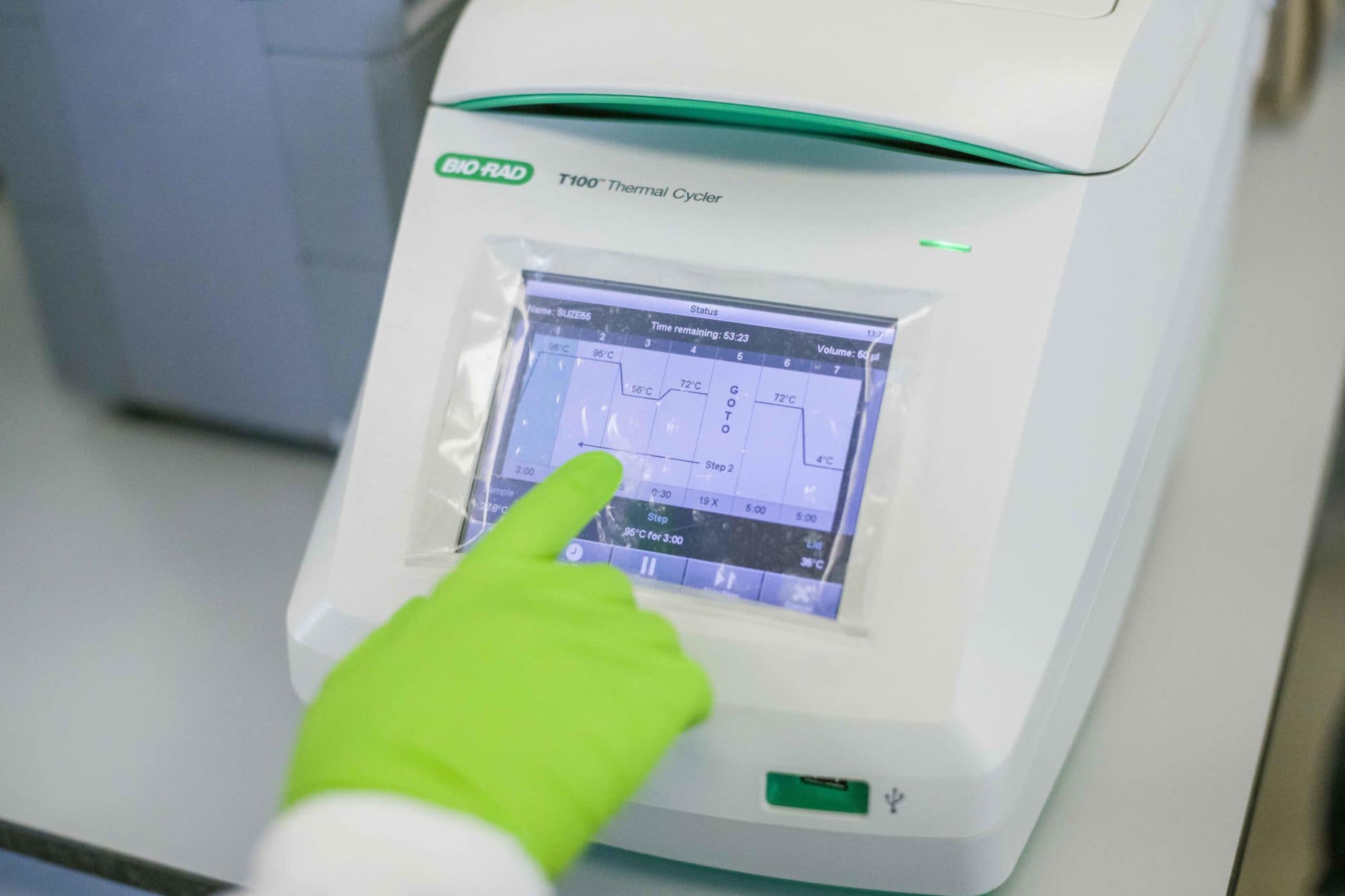
Retina UK aims not only to progress research along established threads, but to stimulate new thinking, encourage innovative approaches and nurture original ideas.
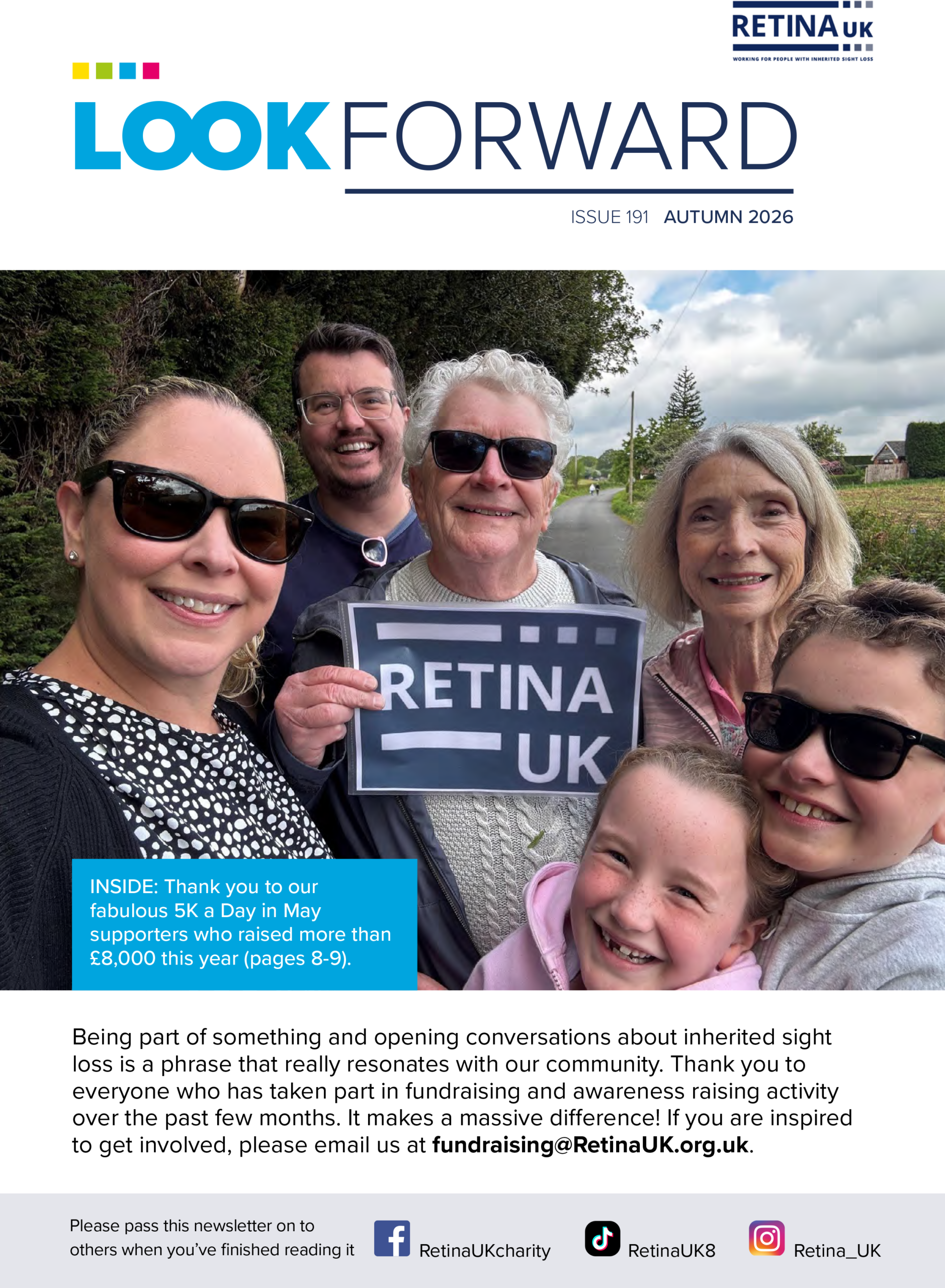
Thank you to our fabulous 5K a Day in May supporters who raised more than £8,000 this year.