

Take on a challenge
With your challenge, you’ll help support people affected by inherited sight loss to lead better lives today and accelerate the search for treatments for the future.
Search results
With your challenge, you’ll help support people affected by inherited sight loss to lead better lives today and accelerate the search for treatments for the future.
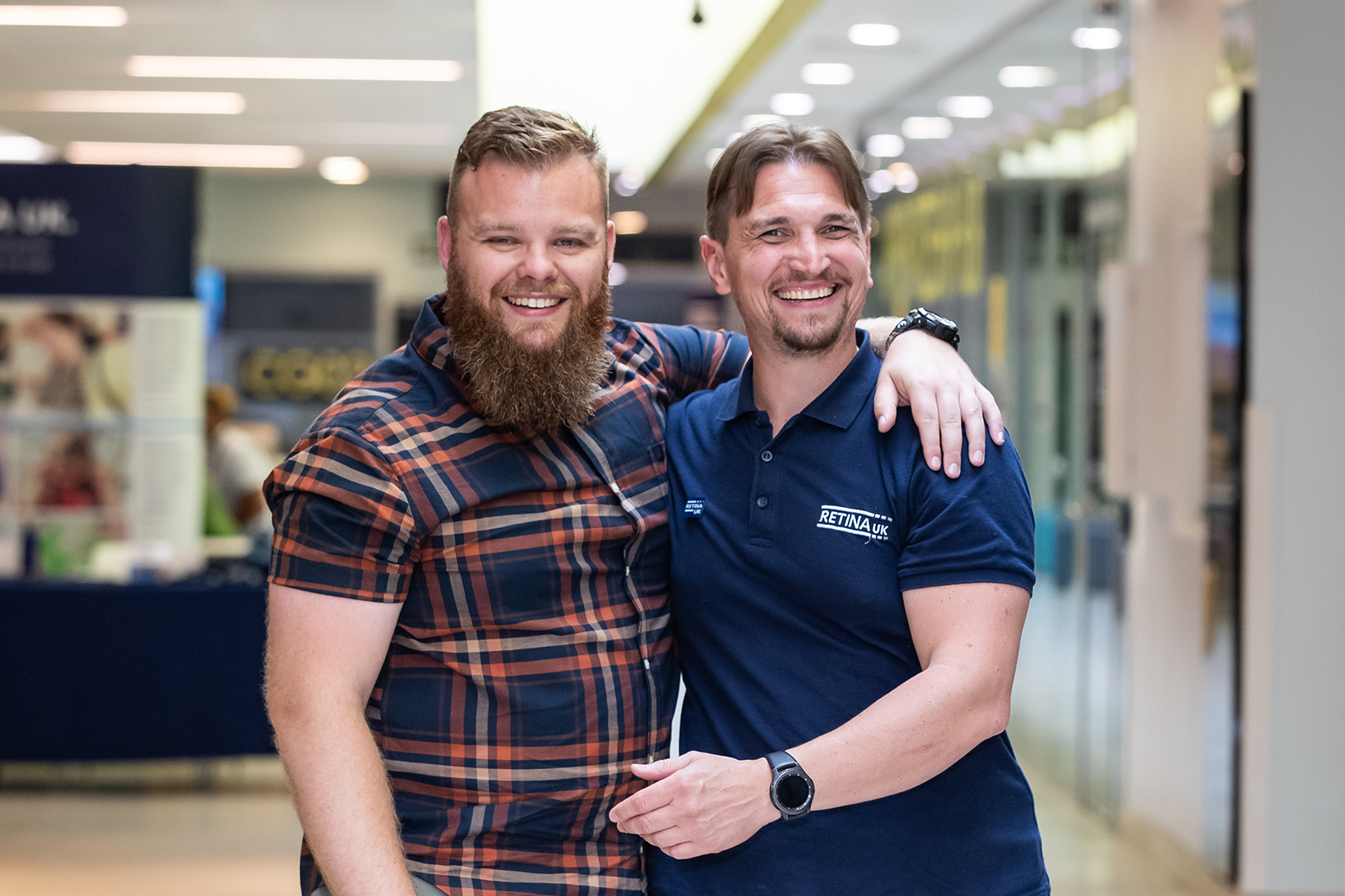
Join the Retina UK membership today! Anyone is welcome to join; whether you are living with a sight loss condition yourself, related to somebody who is, or if you are working as a sight loss professional.
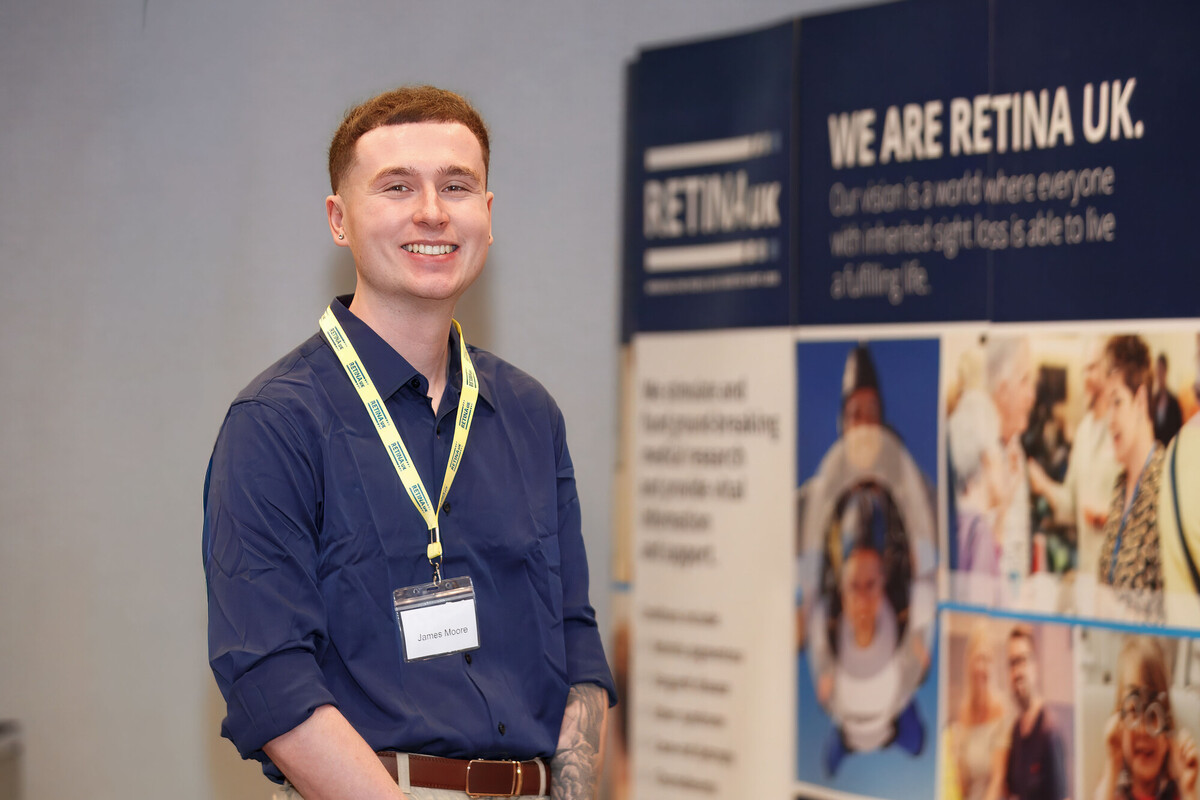
When James Moore moved to Liverpool from Ireland one of the first things he did was search online for information and support for those living with retinitis pigmentosa (RP). Little did James know that search two years ago would lead him to new friendships and taking part in a clinical trial for his sight loss condition.

Tuesday 27 October, 7.00pm - 8.00pm - via Zoom - Please come and join facilitator Perm and the group for their latest online catch up where we are delighted to welcome our inspirational guest speaker Shazia Begum.

Tuesday 29 September 2026, 7.00pm - 8.00pm - via Zoom - Please come and join Danielle & Perm for their latest meet up where we are delighted to welcome our guest speaker Tilly Dowler, The Blind Stylist.

Anna and Ellie live with different inherited retinal conditions, but their journeys share a powerful thread: a passion for technology, a commitment to accessibility, and a desire to support others living with sight loss.
Creating without limits: artistic expression and sight Loss

Join us for an inspiring webinar where four artists share their creative passions and journey with sight loss.
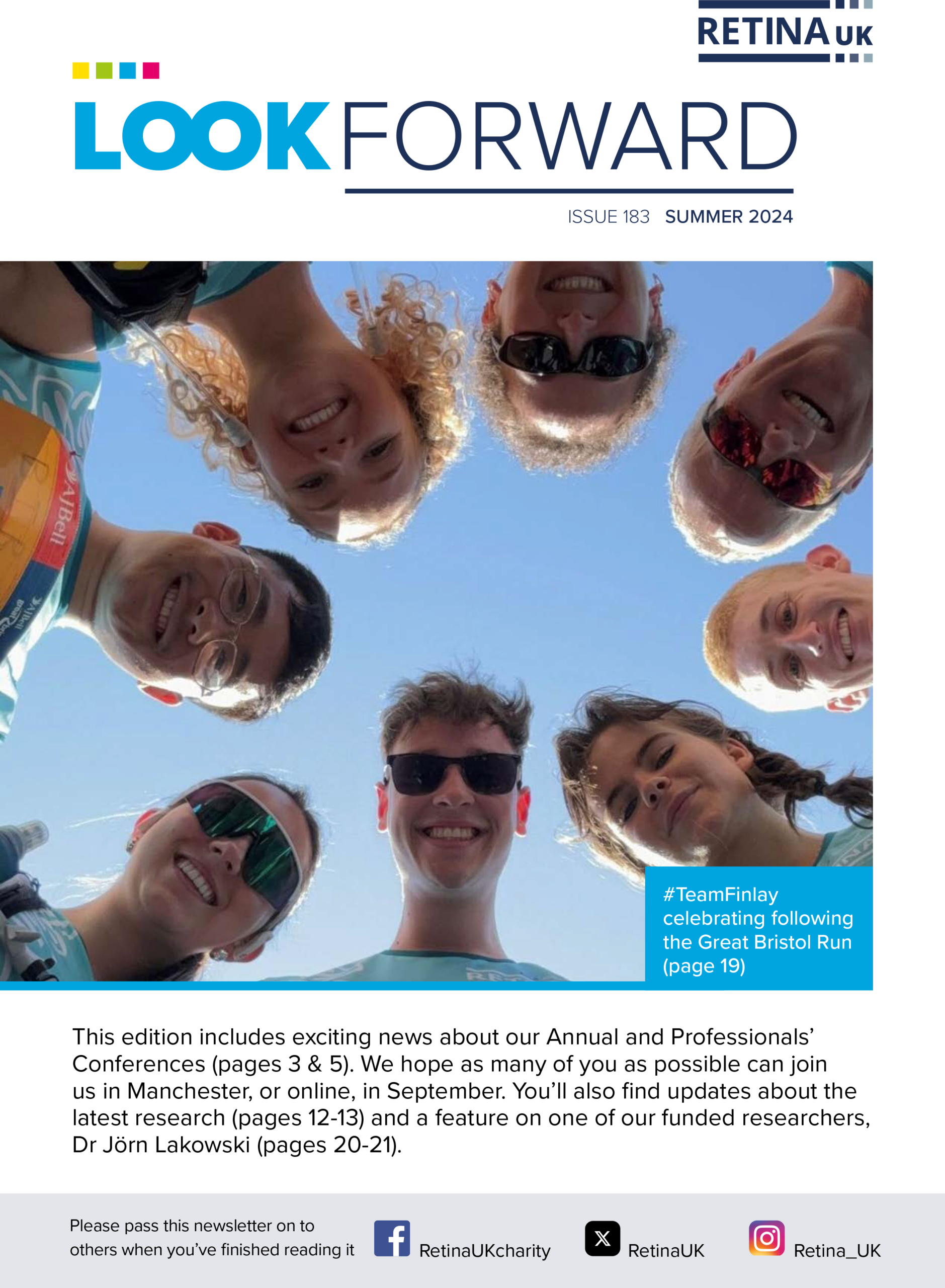
This edition includes exciting news about our Annual and Professionals’ Conferences. We hope as many of you as possible can join us in Manchester, or online, in September. You’ll also find updates about the latest research and a feature on one of our funded researchers, Dr Jörn Lakowski.

When we talk about gene therapy we are usually referring to use of a harmless virus, called a vector, to deliver a normal copy of a defective gene into the cells of the eye.