
Autosomal dominant inheritance
Autosomal dominant inheritance means that the faulty gene is on an autosome (any chromosome other than the sex chromosomes) and that only one faulty copy is needed to cause sight loss.
Search results
Autosomal dominant inheritance means that the faulty gene is on an autosome (any chromosome other than the sex chromosomes) and that only one faulty copy is needed to cause sight loss.
It was previously believed that female carriers of X-linked inherited retinal diseases (IRDs) like X-linked retinitis pigmentosa (RP and Choroideremia) remained unaffected by sight loss.
SpliceBio has begun the dose-expansion portion of their phase 1/2 clinical trial of SB-007, a dual adeno-associated viral vector gene therapy for Stargardt disease.
A round-up of the latest research into inherited retinal conditions - February 2024.
Octant, a clinical stage drug discovery company, has recently announced the dosing of the first healthy volunteer in their Phase 1a clinical trial of OCT-980 for Rhodopsin-associated autosomal dominant Retinitis Pigmentosa (RHO-adRP).
Ray Therapeutics, a clinical stage biopharmaceutical company, is currently investigating their lead optogenetic therapy candidate, RTx-015, in early stage clinical trials for those with RP and Choroideremia.
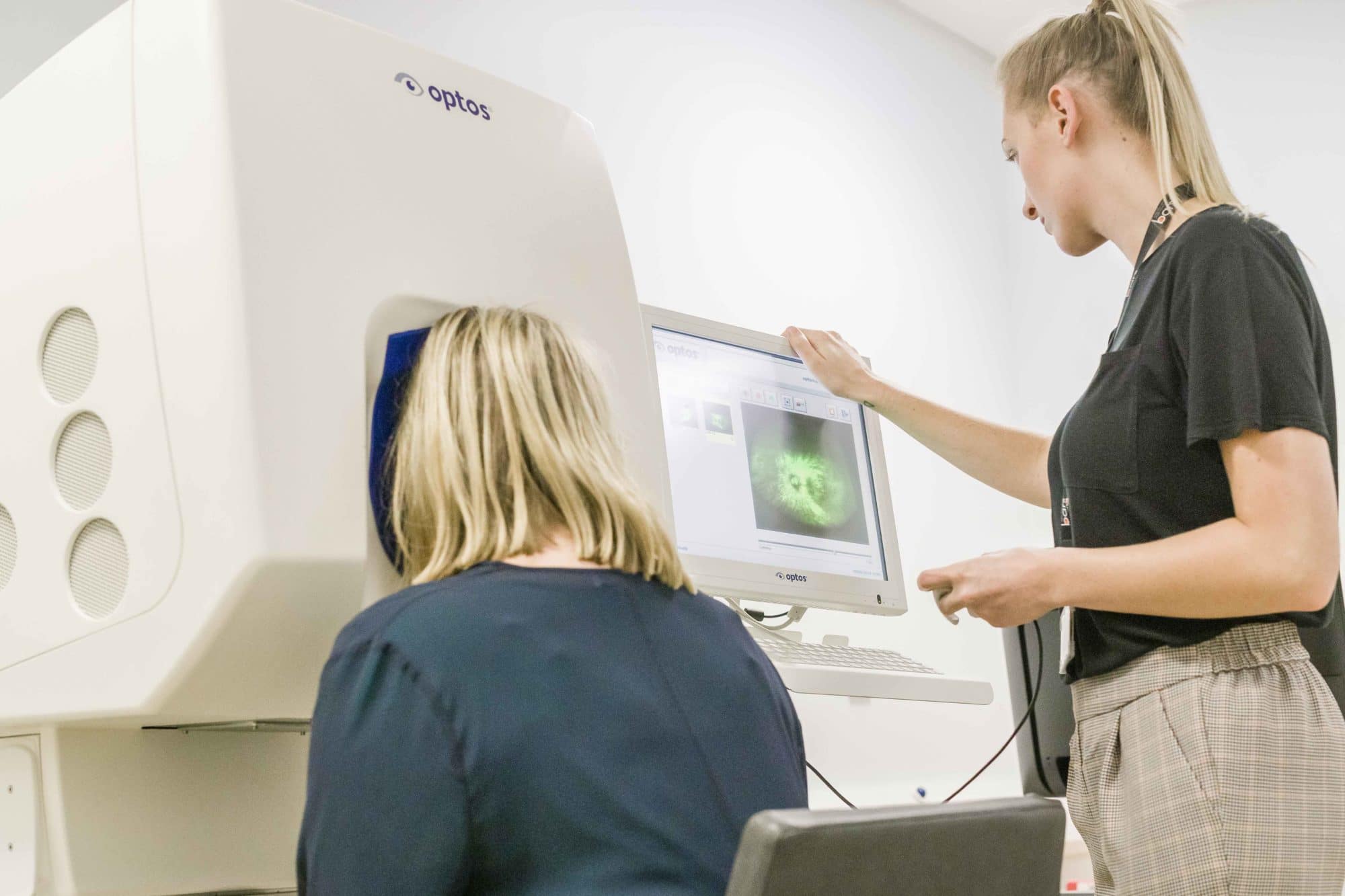
UK researchers have discovered that passing a weak electrical current between electrodes on a person’s scalp may lead to a reduction in frequency of the visual hallucinations experienced by some people living with sight loss.
Disulfiram (Antabuse), FDA-approved for deterring alcohol, is in a phase 1 trial at the University of Washington to improve vision in retinitis pigmentosa.
The latest research news from Retina UK.
Ocugen’s gene therapy candidate, OCU410ST, is an experimental treatment designed to slow vision loss in Stargardt disease, an inherited retinal disease (IRD) with no approved therapies currently.