
New nanoparticle gene therapy research provides hope for treating inherited sight loss
Researchers from Ghent University have published a study that has the potential to transform inherited retinal disease (IRD) treatment development.
Search results
Researchers from Ghent University have published a study that has the potential to transform inherited retinal disease (IRD) treatment development.
Researchers at the University of Wisconsin-Madison have identified a potential way to make CRISPR gene editing more efficient in retinal cells, which could eventually help to develop treatments for inherited retinal dystrophies (IRDs).

#TeamRetinaUK made quite a splash when 14 younger members of our community took the plunge and went white water rafting.
Our monthly e-Newsletter featuring the latest updates from Retina UK.

Inherited progressive sight loss is caused by a range of rare genetic conditions. We specialise in those which affect the retina.
Retina UK is delighted that the Scottish Medicines Consortium (SMC) has accepted the gene therapy Luxturna (voretigene neparvovec) for ongoing use by the NHS in Scotland.
Biotechnology company ProQR has announced encouraging results from its phase 1/2 clinical trial of an innovative treatment for sight loss caused by faults in a specific section of the USH2A gene.

We regularly make applications for grants to fund our information and support projects and have recently been successful in securing £12,000 from The National Lottery Community Fund.
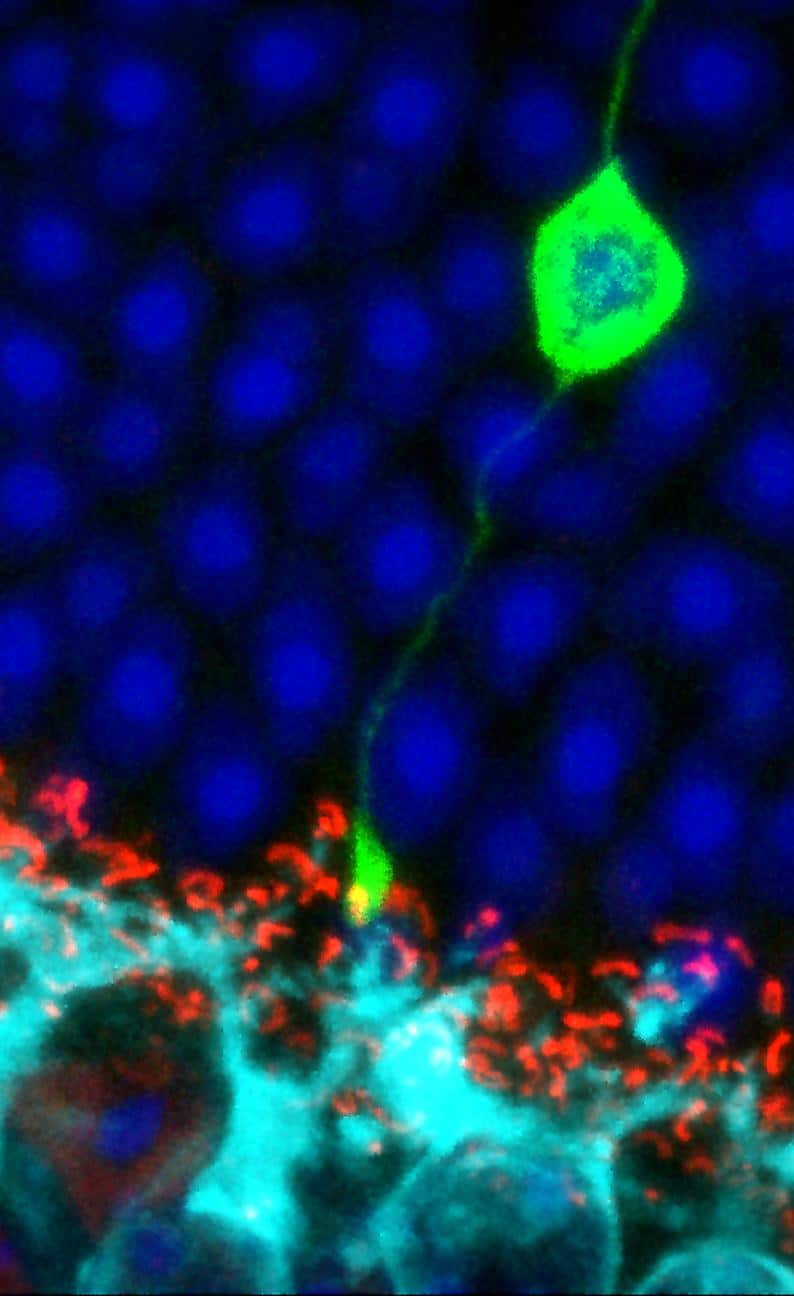
Stem cells are a special type of cell, which under the right conditions can be encouraged to grow into any other type of cell in the body, including retinal cells (rods, cones and retinal pigment epithelial cells).