
Gene therapy treatment Luxturna accepted for use in Scotland
Retina UK is delighted that the Scottish Medicines Consortium (SMC) has accepted the gene therapy Luxturna (voretigene neparvovec) for ongoing use by the NHS in Scotland.
Search results
Retina UK is delighted that the Scottish Medicines Consortium (SMC) has accepted the gene therapy Luxturna (voretigene neparvovec) for ongoing use by the NHS in Scotland.
X-linked inheritance means that the faulty gene is located on the X chromosome, the larger of the two sex chromosomes.

We are proud to work collaboratively with a number of corporate partners to enable our community to live fulfilled lives today as well as supporting the pharmaceutical industry in their mission to develop potential new treatments.
As a coalition of sight loss charities, we are calling on the Government to make the benefit system and employment support fit for purpose for blind and partially sighted people.
A discovery made as part of research funded by Retina UK has led to a prestigious award of $2.5 million, enabling scientists to undertake more in-depth investigations and work towards a treatment for a particular type of retinitis pigmentosa.
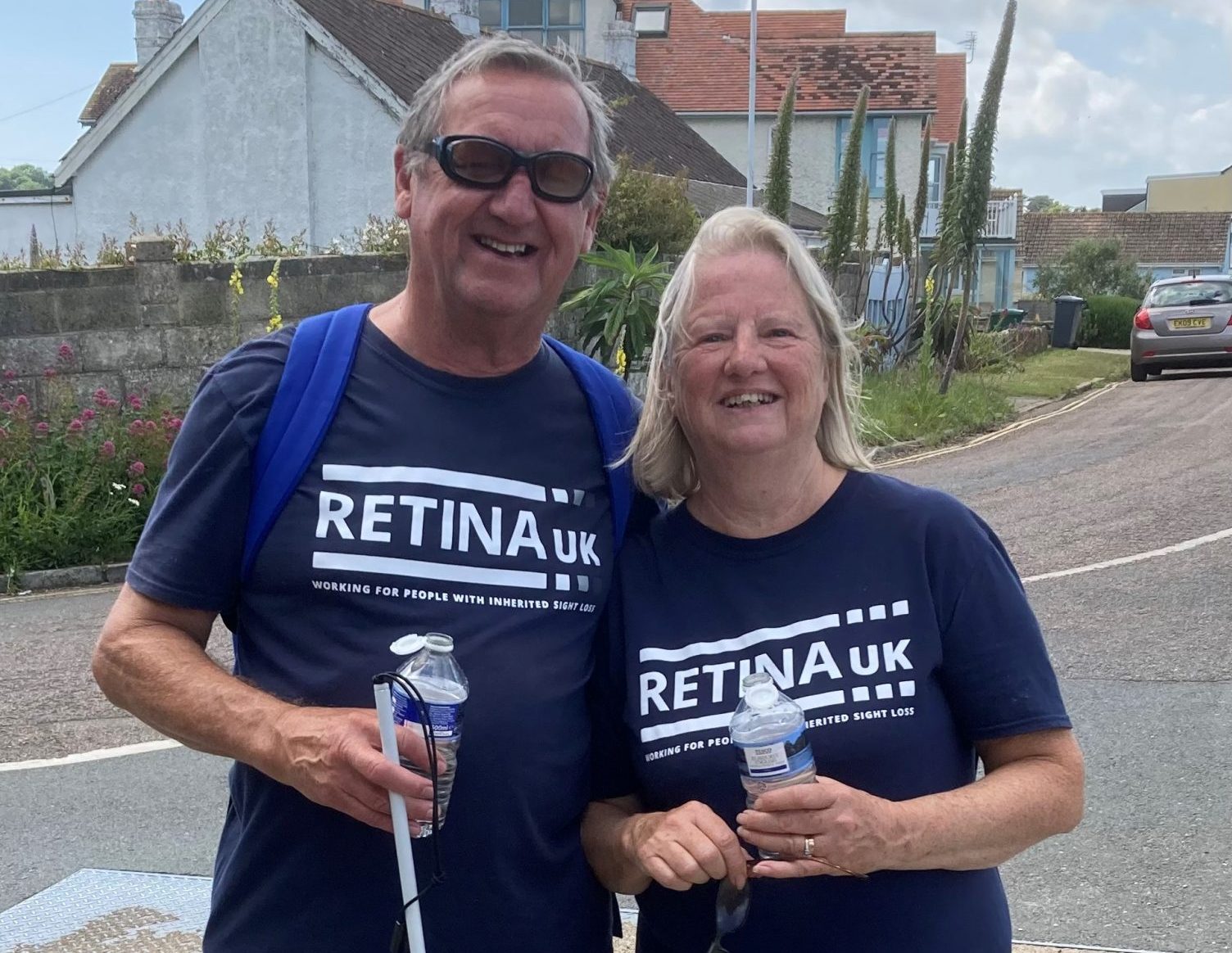
In this article, we hear Colin's story and the reasons why he has hope for the future.

Pancake Day or Shrove Tuesday, which in 2025 falls on Tuesday 4 March, could be a great opportunity to fundraise for Retina UK, whilst having fun and eating lots of yummy pancakes!
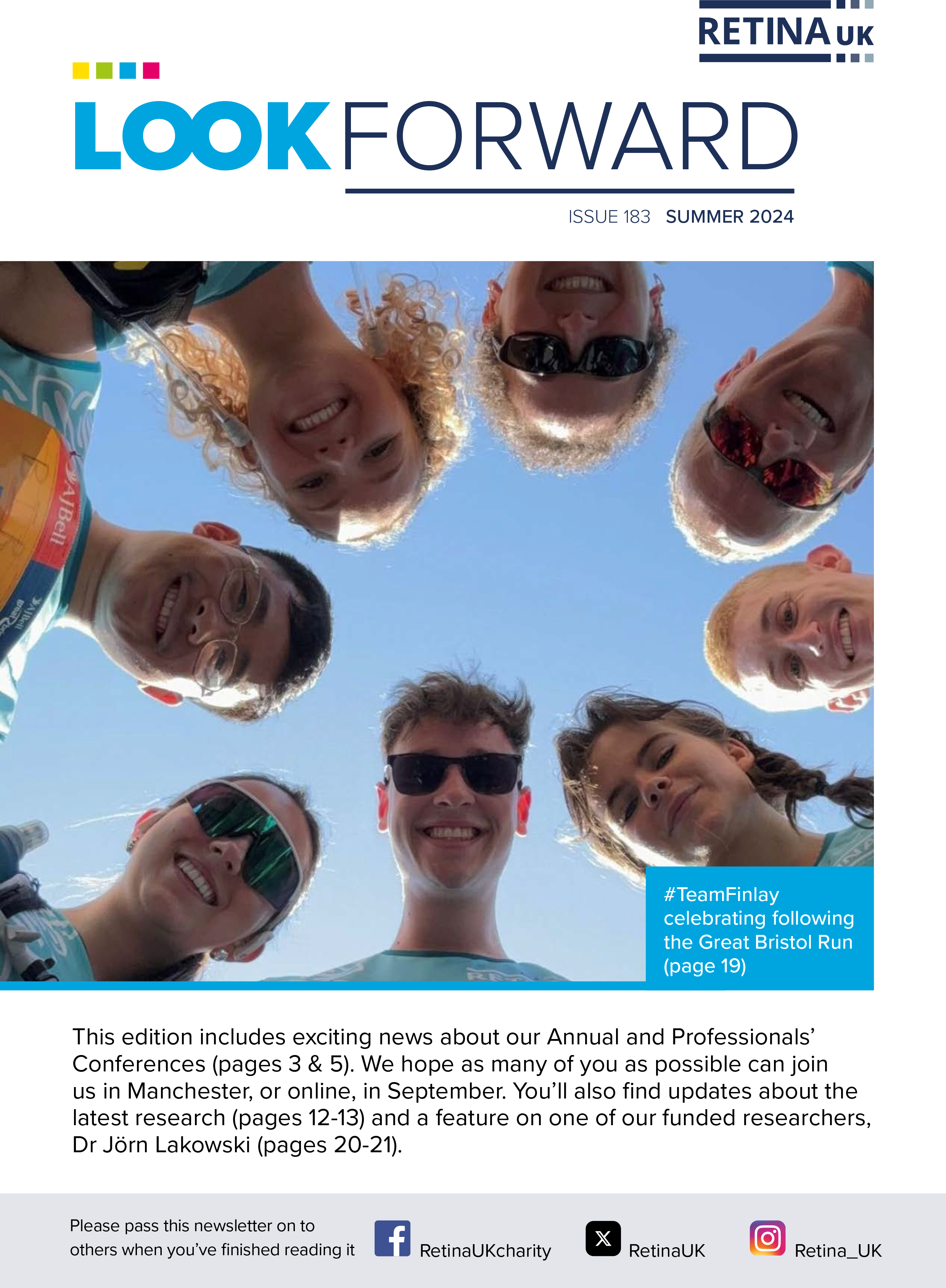
This edition includes exciting news about our Annual and Professionals’ Conferences. We hope as many of you as possible can join us in Manchester, or online, in September. You’ll also find updates about the latest research and a feature on one of our funded researchers, Dr Jörn Lakowski.
Saturday 8 August 2026, 12.30pm - 6.30pm - In-person - Please come and join Rachael and the group at The Waldorf pub in Manchester for their latest social get together including guest speakers Katy Whitwell & Lisa Howell from the RNIB's ECLO service.
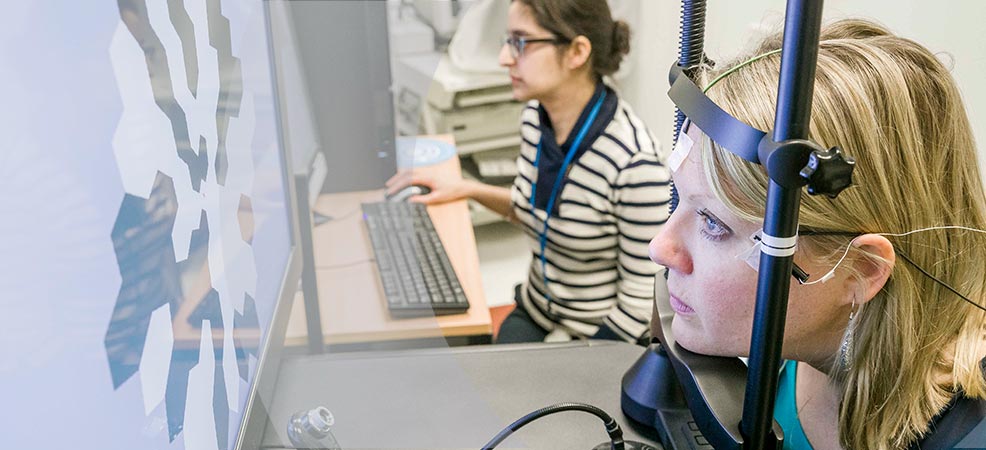
The development of a new treatment is a lengthy process, from early investigation of ideas and principles in the lab, through testing in cell and animal models to the final stages of clinical trials in human patients. The good news is that progress is increasingly rapid.