Search

Search results

A close up of gloved hands holding an item in a research lab. The gloves are bright green!

Podcast: What is the UKIRDC and why does it exist?

With a significant proportion of inherited retinal conditions being caused by unidentified genetic faults, and many families unable to get clear results from genetic tests in clinic, the project set out to solve previously undiagnosable cases and discover more of the genes and mutations that are associated with sight loss.
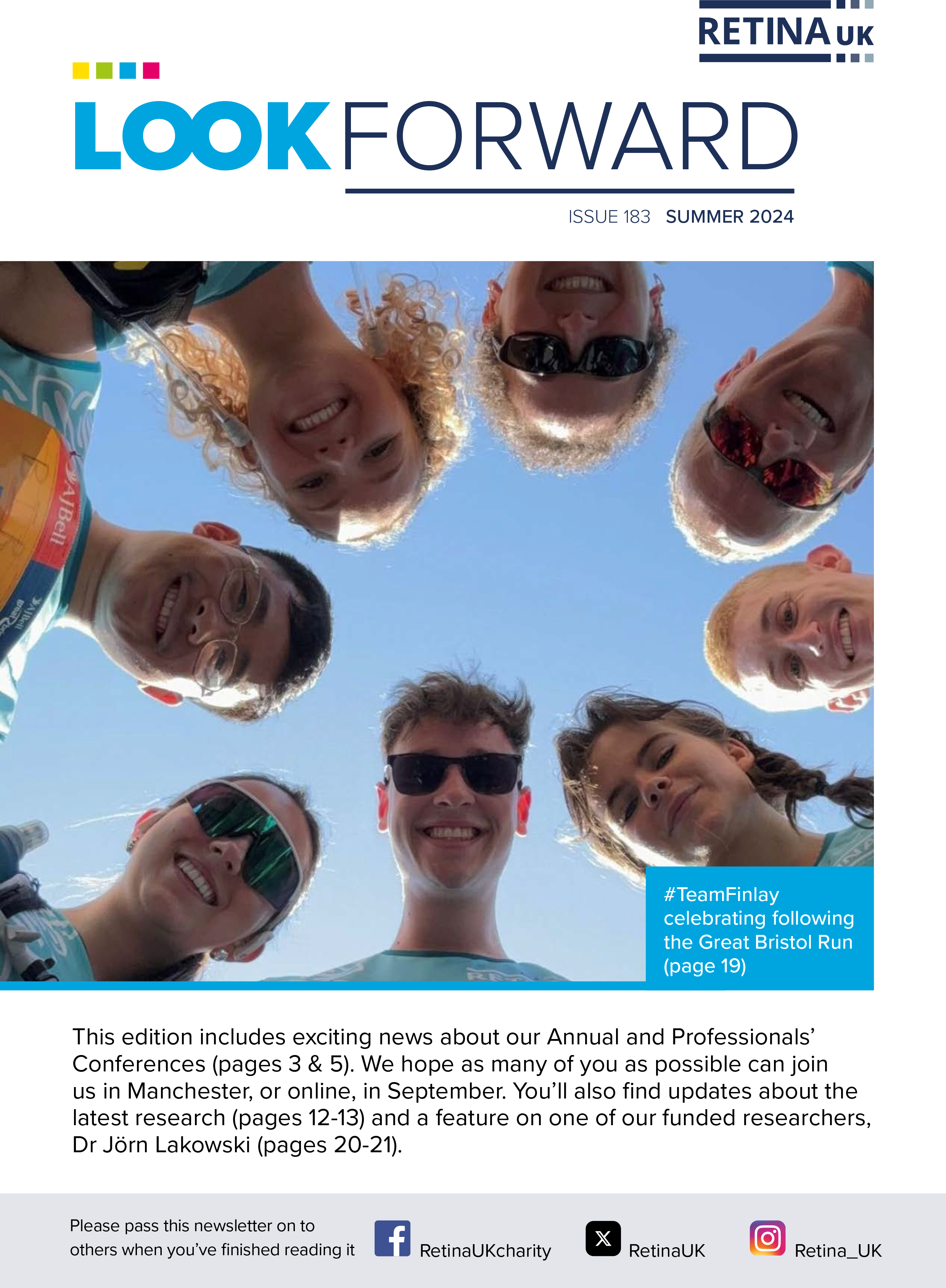
The cover of Look Forward Summer 2024 (issue 183) featuring a group of eight people looking down at the camera with blue sky above them

Look Forward – Summer 2024 – Issue 183

This edition includes exciting news about our Annual and Professionals’ Conferences. We hope as many of you as possible can join us in Manchester, or online, in September. You’ll also find updates about the latest research and a feature on one of our funded researchers, Dr Jörn Lakowski.

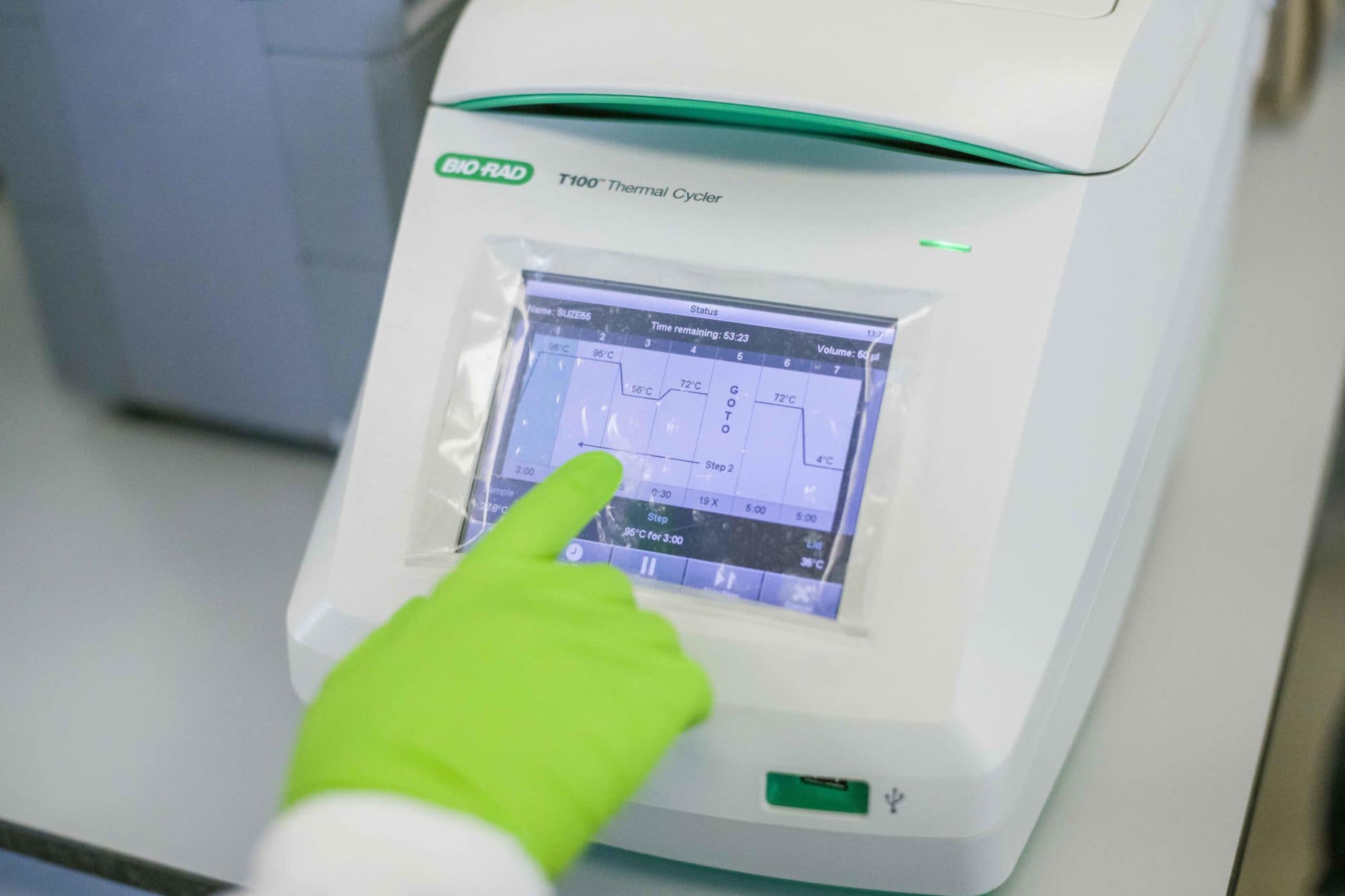
A machine with a digital display with a hand in a green glove pressing the screen with their index finger

Research grants

Retina UK aims not only to progress research along established threads, but to stimulate new thinking, encourage innovative approaches and nurture original ideas.

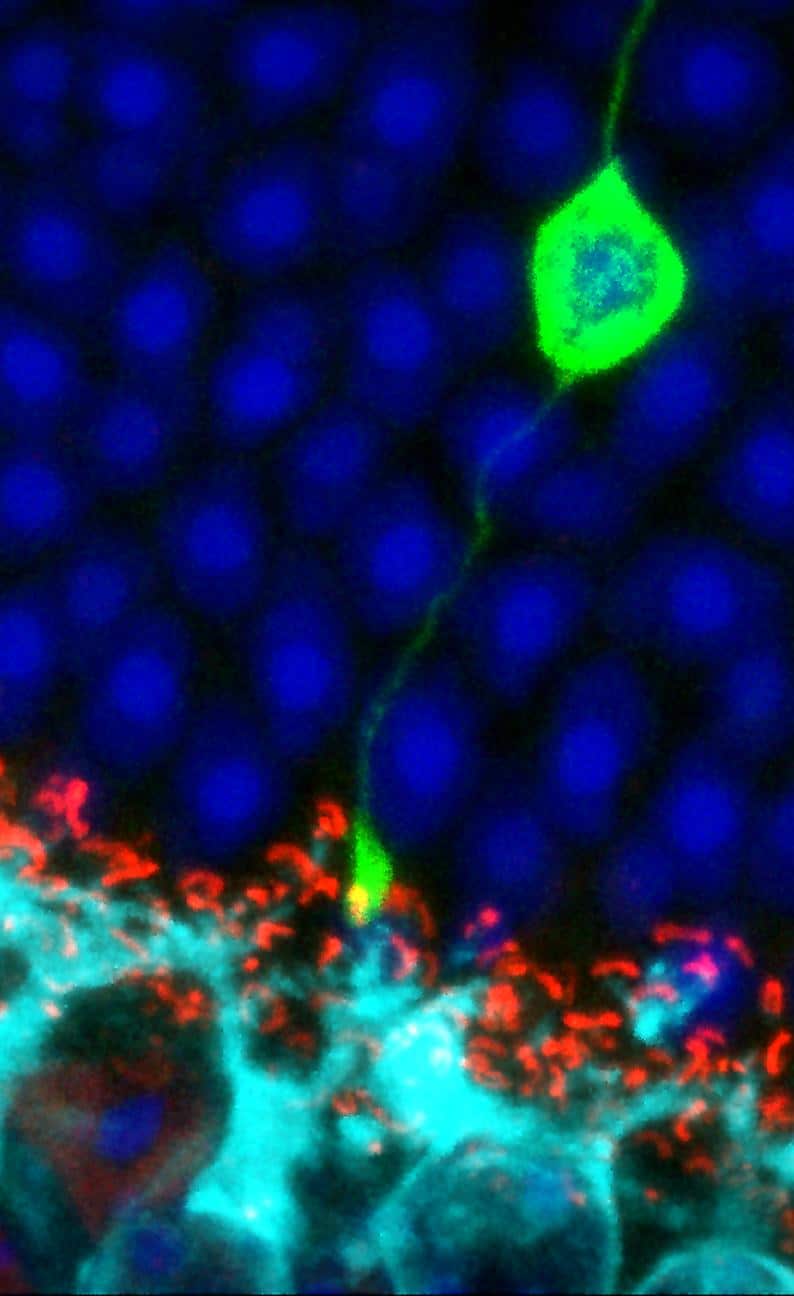
A high power image showing the position of a single transplanted photoreceptor cell (green) making new connections with bipolar cells in the recipient retina (cyan).

Stem cells

Stem cells are a special type of cell, which under the right conditions can be encouraged to grow into any other type of cell in the body, including retinal cells (rods, cones and retinal pigment epithelial cells).

A DNA spiral with a piece removed being held by tweezers

Genetics and gene therapy

When we talk about gene therapy we are usually referring to use of a harmless virus, called a vector, to deliver a normal copy of a defective gene into the cells of the eye.