
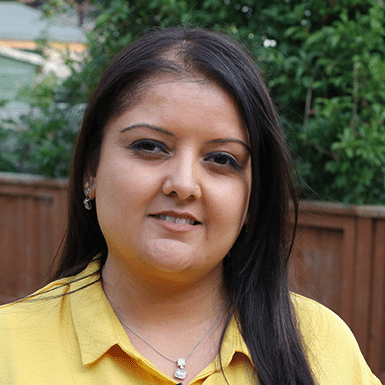
Meet our community: Bhavini Makwana
Bhavini was diagnosed with RP in 1997 aged 17. The consultant who confirmed her diagnosis told her that “there was no cure or treatment and she should prepare to go blind".
Search results
Bhavini was diagnosed with RP in 1997 aged 17. The consultant who confirmed her diagnosis told her that “there was no cure or treatment and she should prepare to go blind".
Nanoscope Therapeutics has announced positive results from their two year randomised controlled phase 2b optogenetic therapy trial for late-stage retinitis pigmentosa (RP).
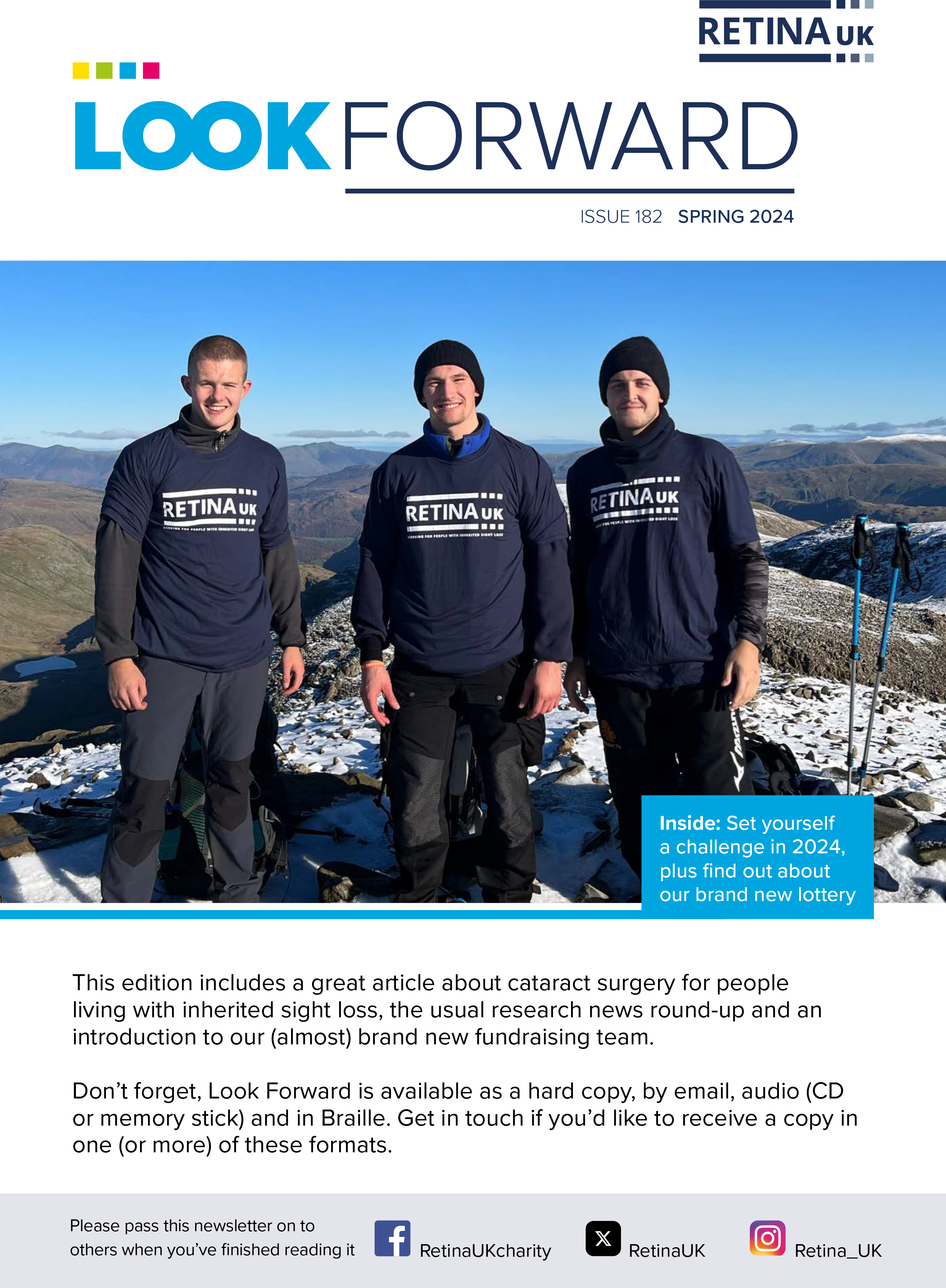
Inside this edition, set yourself a challenge in 2024, plus find out about our brand new lottery.
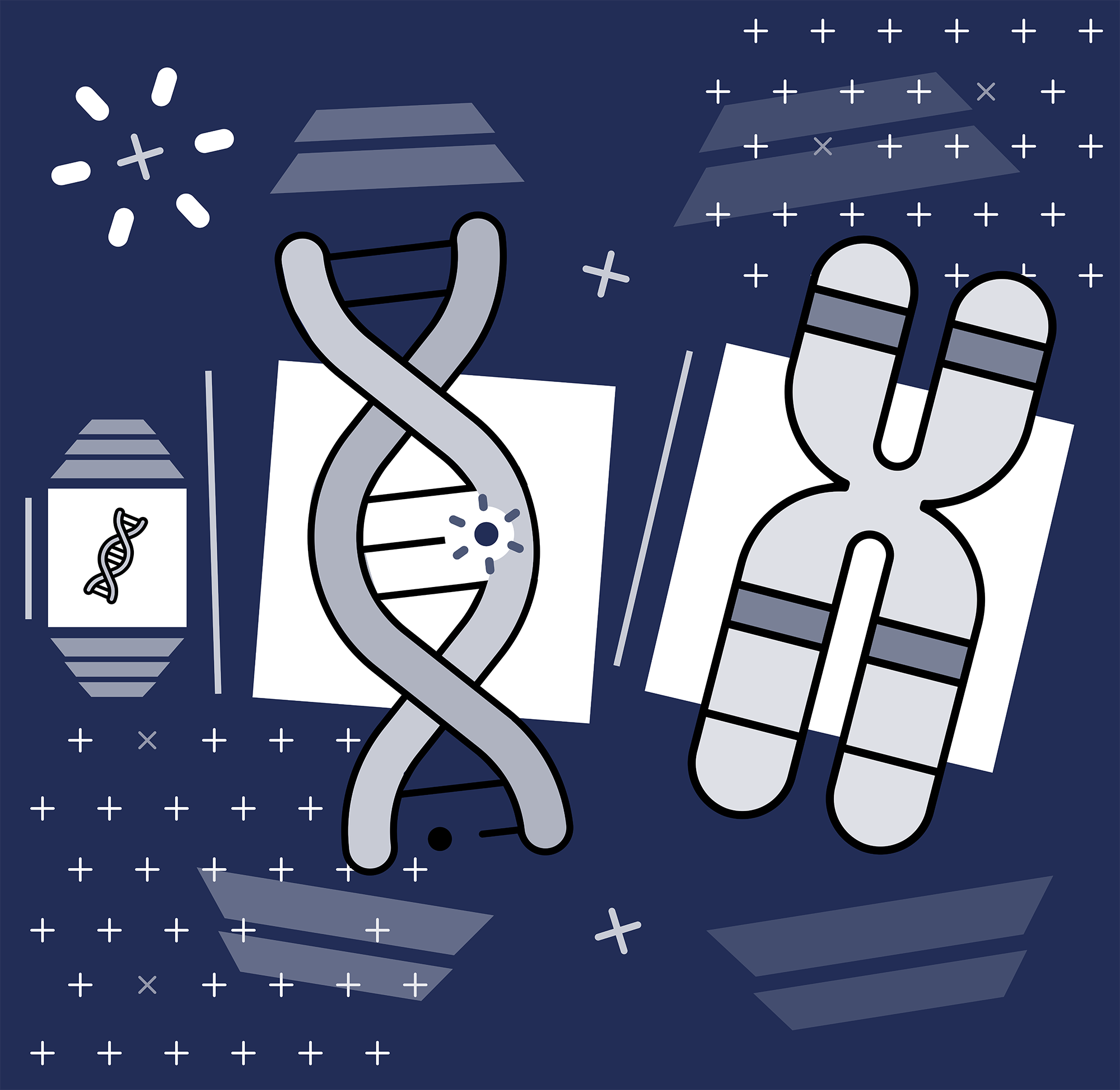
Genes exist inside all the cells that make up your body. They contain genetic code (DNA) and provide instructions for constructing proteins, which are the building blocks of our bodies and perform a huge variety of roles.

Your doctor or genetic counsellor will spend some time asking about other people in your family to try to work out the way in which your particular faulty gene has been passed down through the generations – this is referred to as the inheritance pattern.

Retina UK has joined with more than 80 disability charities who have today written to the Chancellor calling for urgent support with the cost of living for disabled people.
“All the promising research makes you feel like there is light at the end of that very dark tunnel after all.”
In recent years there has, understandably, been a lot of excitement around cutting-edge therapies that target the specific genetic faults underlying inherited sight loss.
Biotechnology company Kiora Pharmaceuticals has been given the go-ahead to start in-human testing of a novel “small molecule” treatment, known as KIO-301, for advanced vision loss in retinitis pigmentosa (RP). The phase 1b clinical trial will take place in Adelaide, Australia, and will begin enrolling participants towards the end of 2022.
Your generous support allows Retina UK to fund the work of leading scientists who are increasing understanding of inherited sight loss and moving us closer to treatments.