
Our manifesto
Retina UK are committed to improving the lives of people affected by inherited retinal dystrophies (IRDs).
Search results
Retina UK are committed to improving the lives of people affected by inherited retinal dystrophies (IRDs).
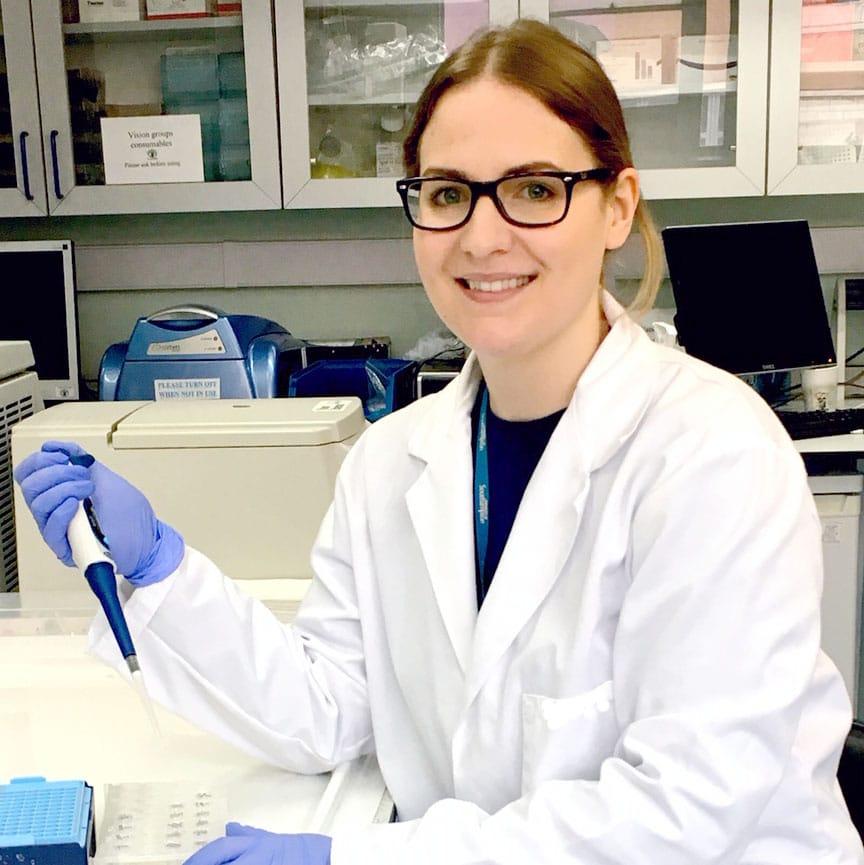
Jenny Dewing is a postdoctoral researcher working on a Retina UK-funded project with Dr Arjuna Ratnayaka at the University of Southampton.
Many inherited sight loss conditions occur when cells in the retina, which is the light-sensitive region at the back of the eye, deteriorate in an unpredictable way. These conditions are often referred to as inherited retinal dystrophies.
The aim of the site is to increase the level of awareness and understanding of genetic testing and genetic counselling among people living with inherited retinal dystrophies, empowering them to make fully informed decisions about their lives, healthcare and family planning.
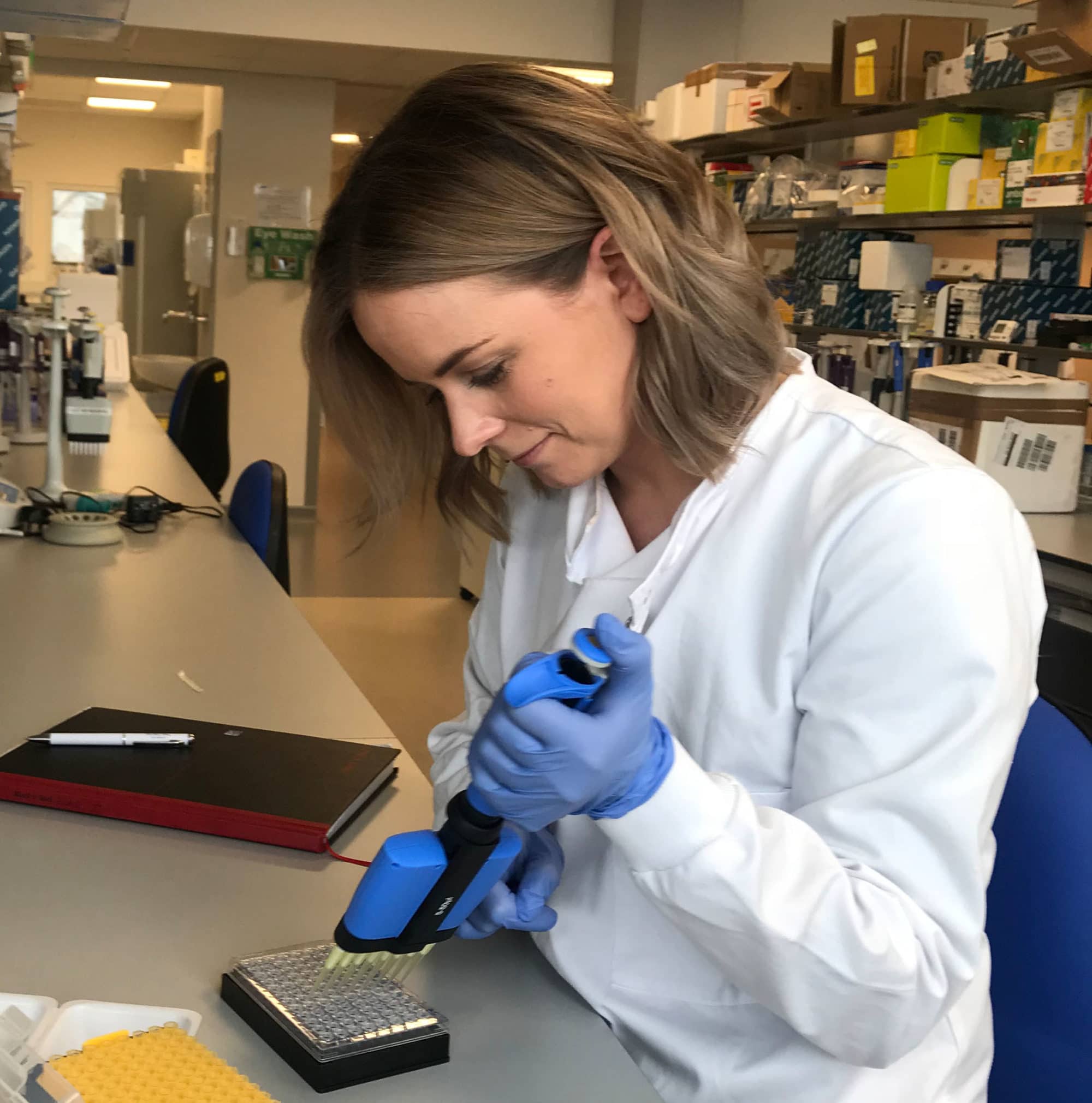
Dr Rachel Taylor is part of the UK Inherited Retinal Dystrophy Consortium (UKIRDC) team at the University of Manchester.
As Luxturna reaches the clinic and other gene-specific therapies for inherited retinal disease get closer to the end of the development pipeline, it is becoming ever more important that affected families can access a genetic diagnosis, potentially opening up choices around treatment and clinical trial participation.
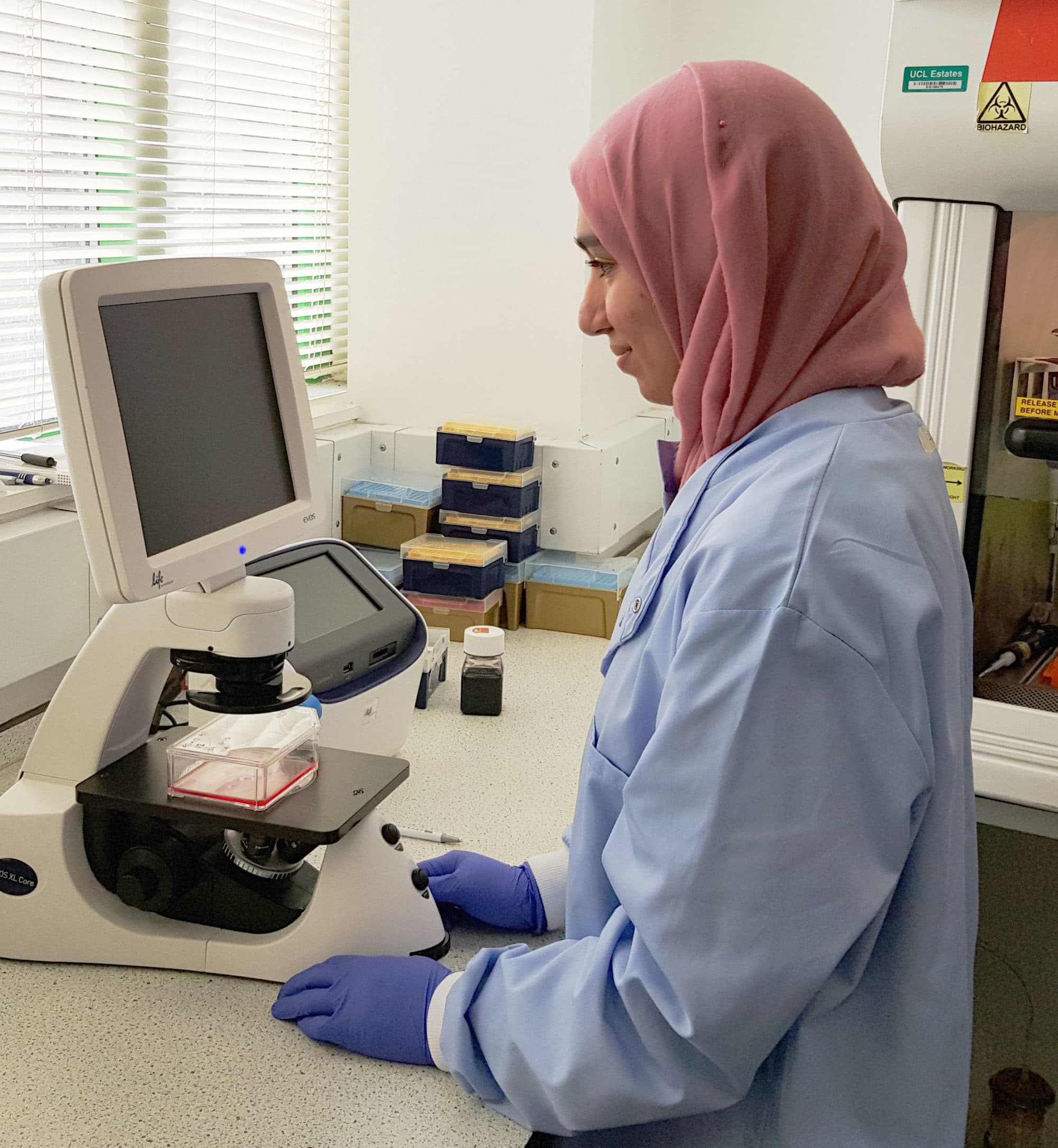
Hajrah Sarkar is a PhD student whose project is funded by Retina UK.
It was previously believed that female carriers of X-linked inherited retinal diseases (IRDs) like X-linked retinitis pigmentosa (RP and Choroideremia) remained unaffected by sight loss.
In recent years there has, understandably, been a lot of excitement around cutting-edge therapies that target the specific genetic faults underlying inherited sight loss.

We provide funding for innovative, high quality research projects investigating the causes and potential treatments for all forms of inherited retinal disease.