
What’s in store: a sneak peek at the Retina UK conferences
The latest podcast from Retina UK.
Search results
The latest podcast from Retina UK.
Retina UK is a charity supporting people affected by inherited sight loss and investing in medical research to help make their challenges a thing of the past.

Retina UK has a number of online support resources which we offer via social media.

Inherited progressive sight loss is caused by a range of rare genetic conditions. We specialise in those which affect the retina.

Celebrate the life of your loved one, by donating in their memory and help us fund more research and support, now.

Fancy fundraising for Retina UK? Here’s a few pointers to help get you started.
These are some of the most commonly asked questions about volunteering for our charity.
Sign up to receive regular updates from Retina UK and learn more about the most innovative research and technology news, upcoming events, fundraising and support services available.
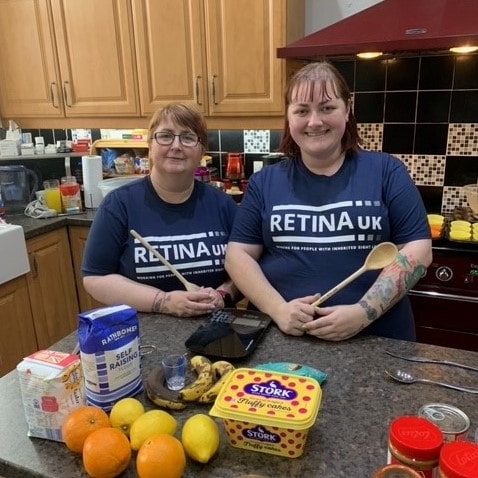
Tickle everyone’s taste buds and help raise funds for Retina UK with our Great Bake fundraiser!