
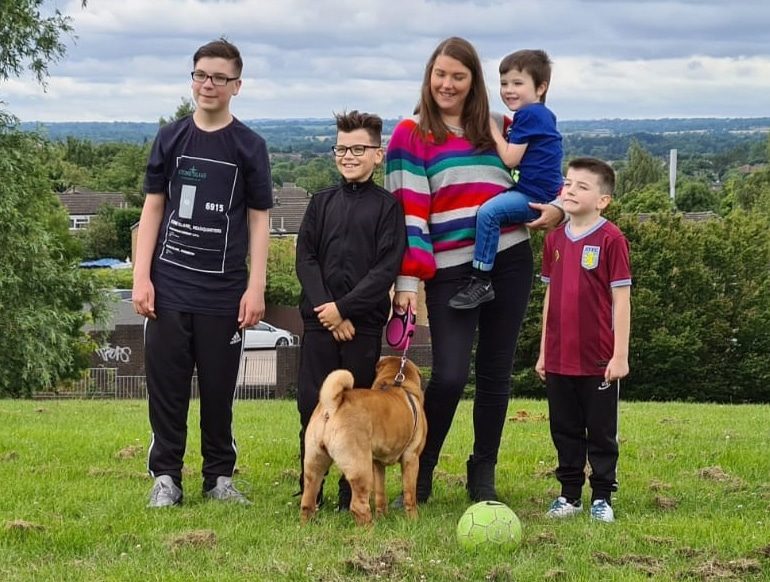
Meet our community: The Kearney family
Emily Kearney is mum to four boys, aged four to 13, two of whom are living with an inherited sight loss condition.
Search results
Emily Kearney is mum to four boys, aged four to 13, two of whom are living with an inherited sight loss condition.
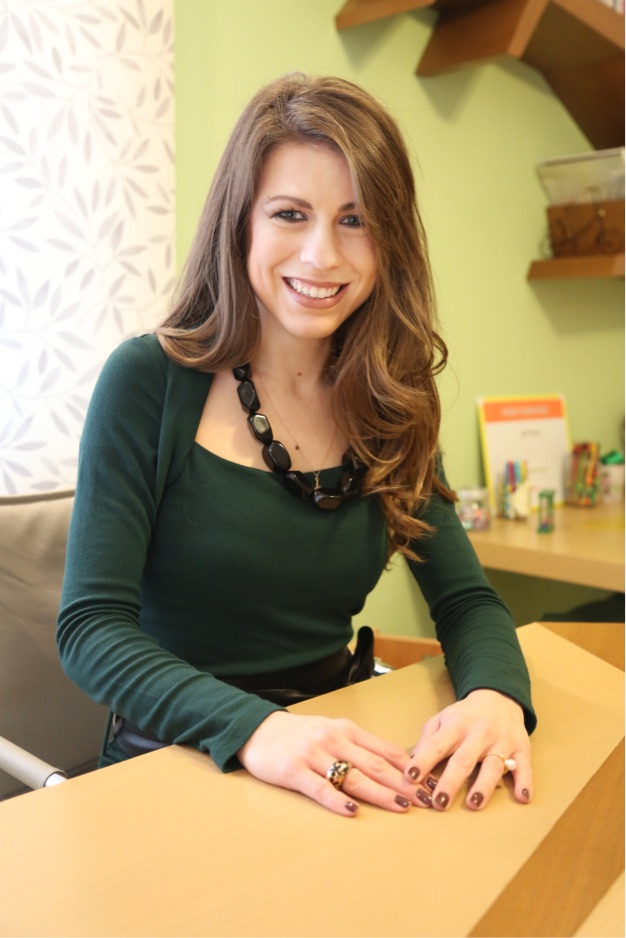
Katerina joined the Retina UK team at the start of 2023 after hearing about the charity through her involvement in a research project at the University of Bath, where she works as an academic.
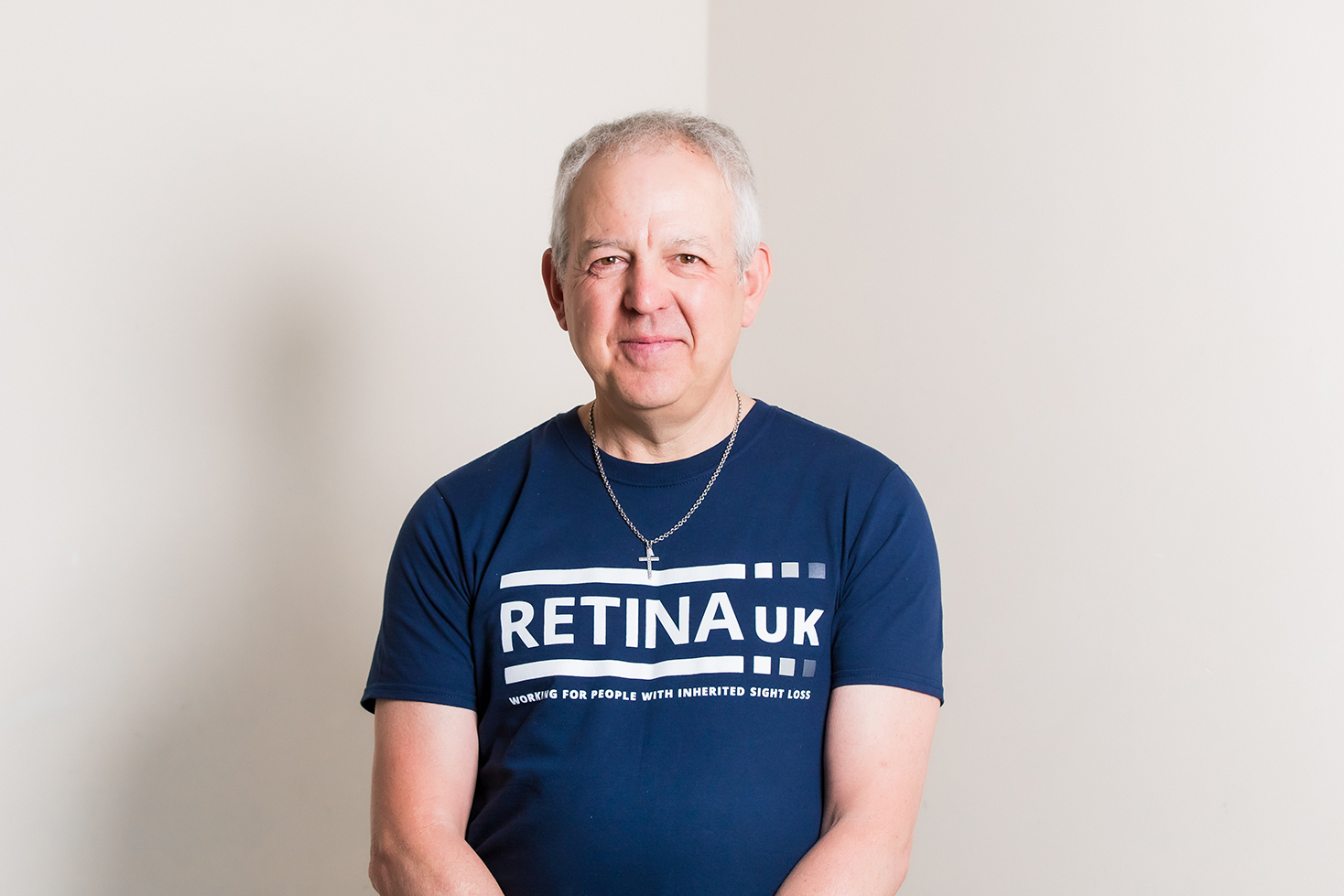
Simon talks about his experience of genetic testing and counselling.
Retina UK is delighted to announce that it has awarded three new research grants worth more than £870,000.
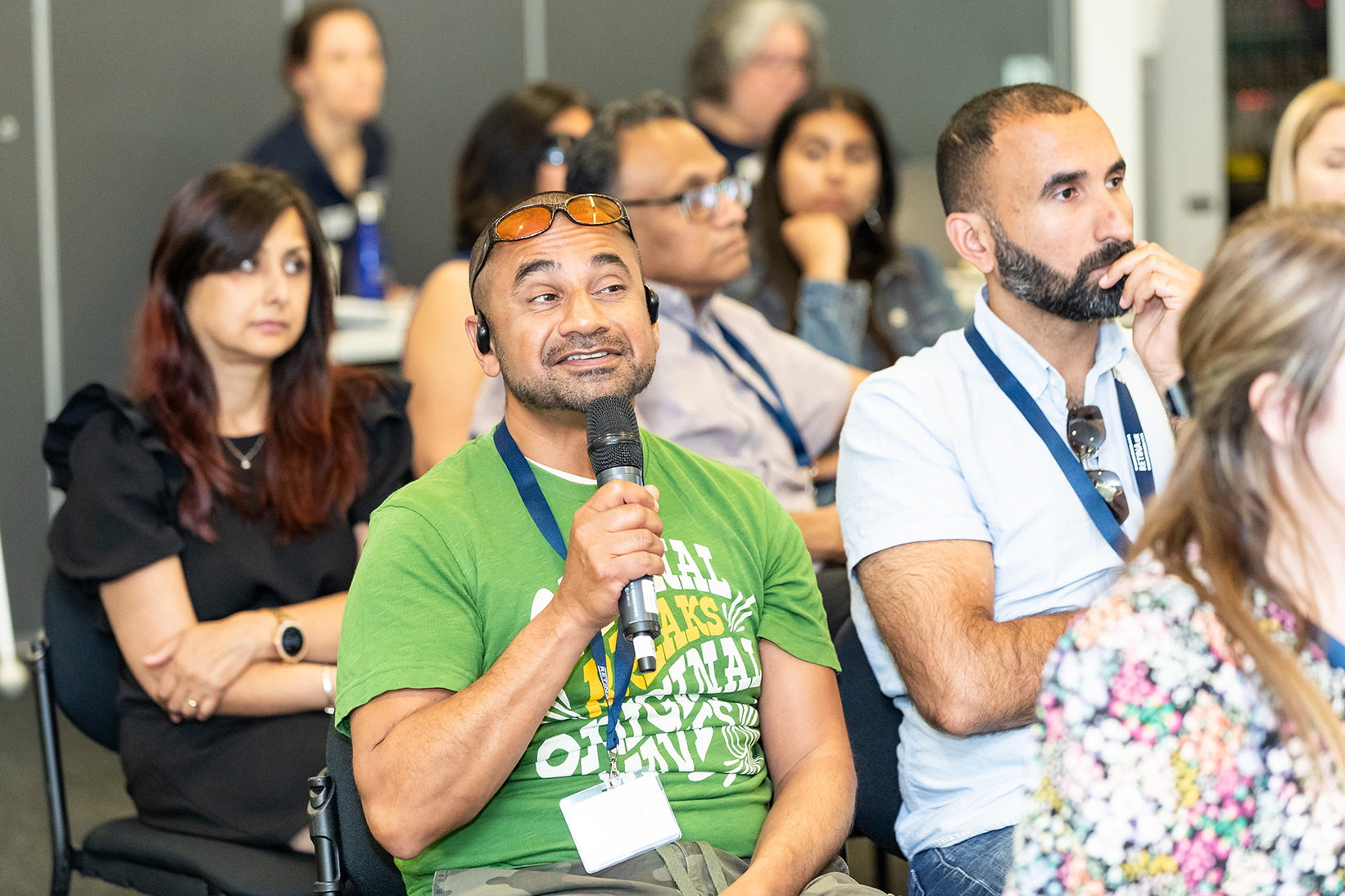
The Retina UK Professionals’ Conference is aimed at anyone who works with our community in a professional capacity.
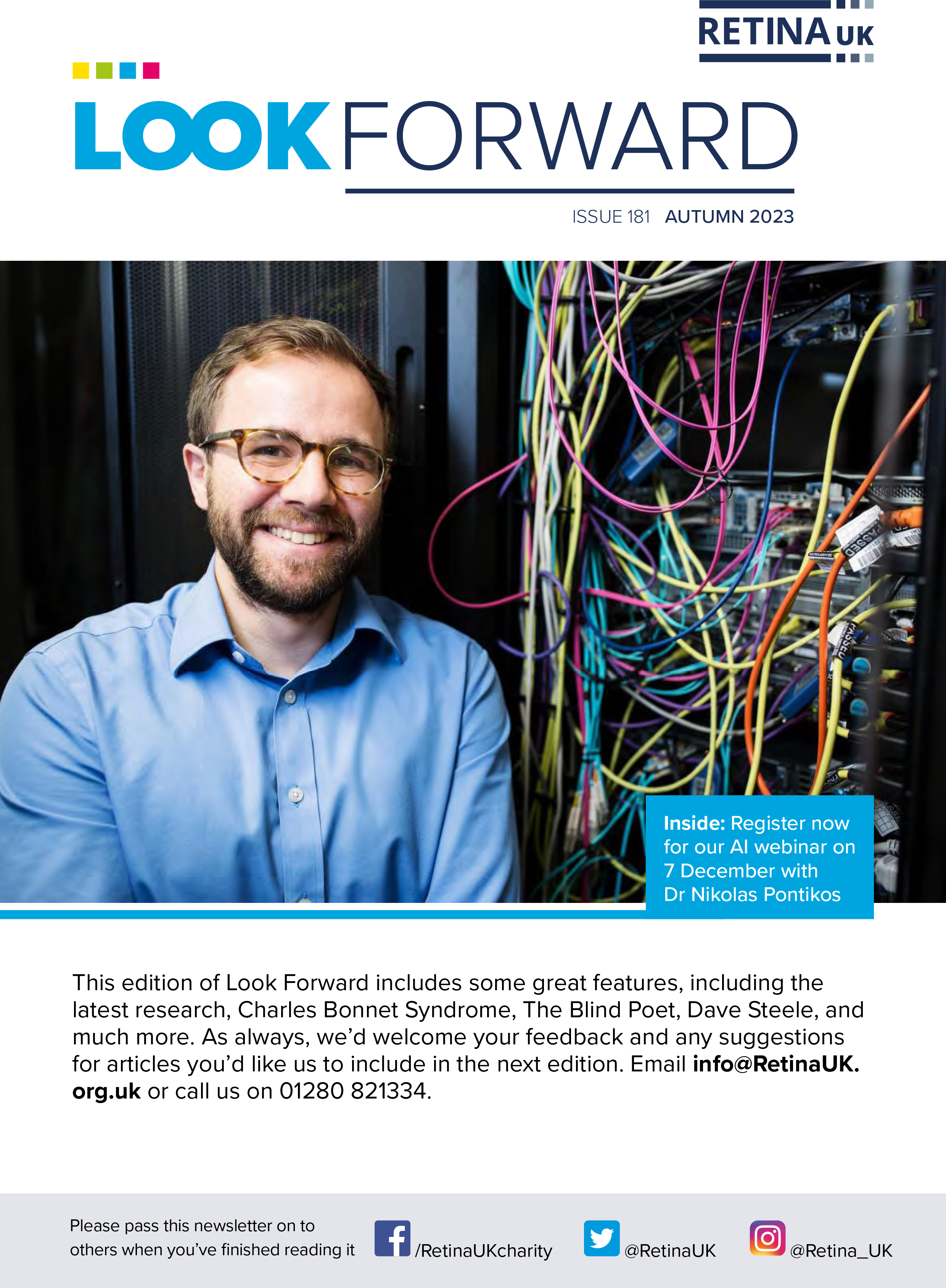
Inside this edition, register now for our AI webinar on 7 December with Dr Nikolas Pontikos.
Our monthly e-Newsletter featuring the latest updates from Retina UK. Subscribe now to receive these updates directly to your email.
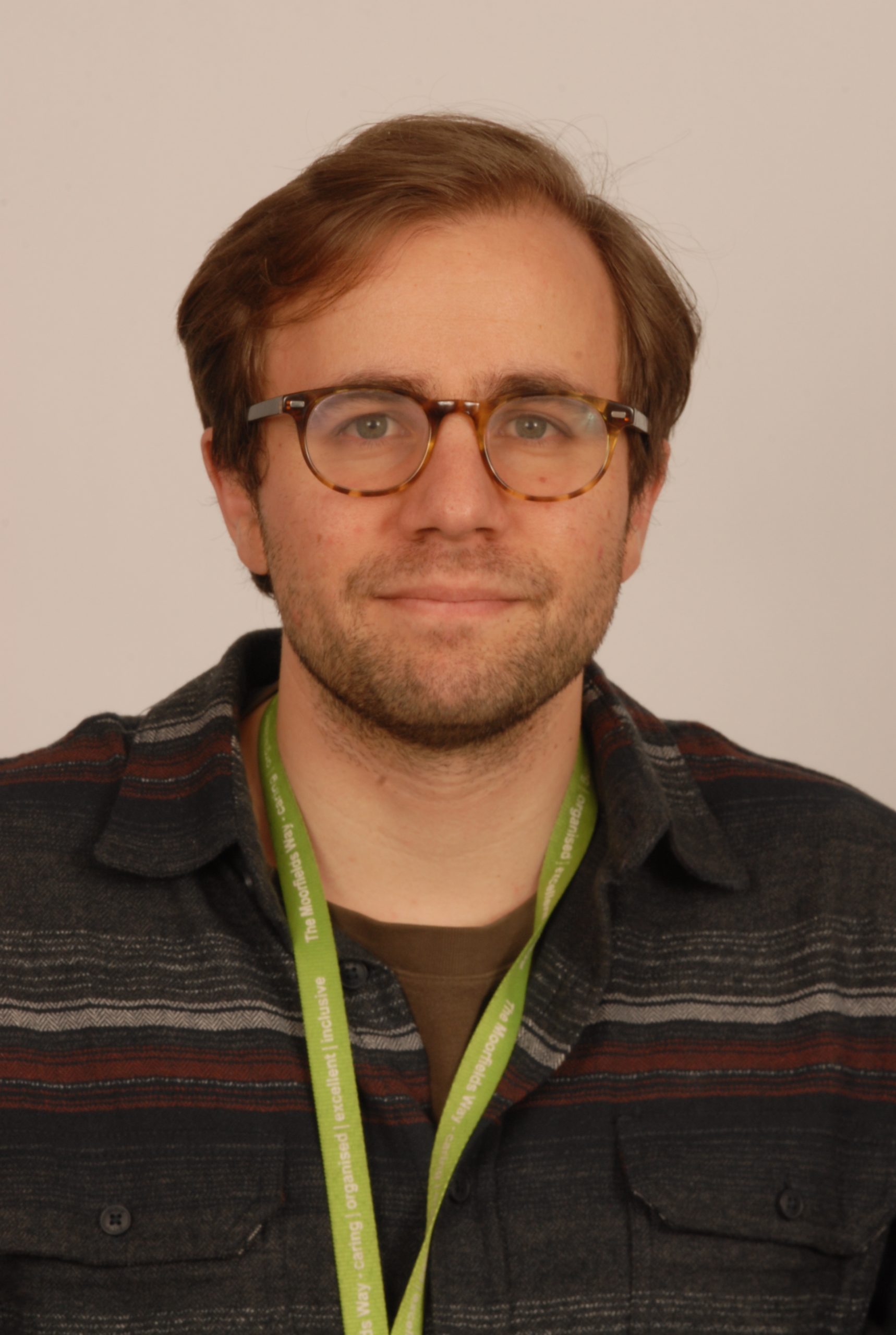
Dr Nikolas Pontikos is a Senior Research Fellow at UCL Institute of Ophthalmology, and has been working on inherited retinal conditions for several years.

When we talk about gene therapy we are usually referring to use of a harmless virus, called a vector, to deliver a normal copy of a defective gene into the cells of the eye.
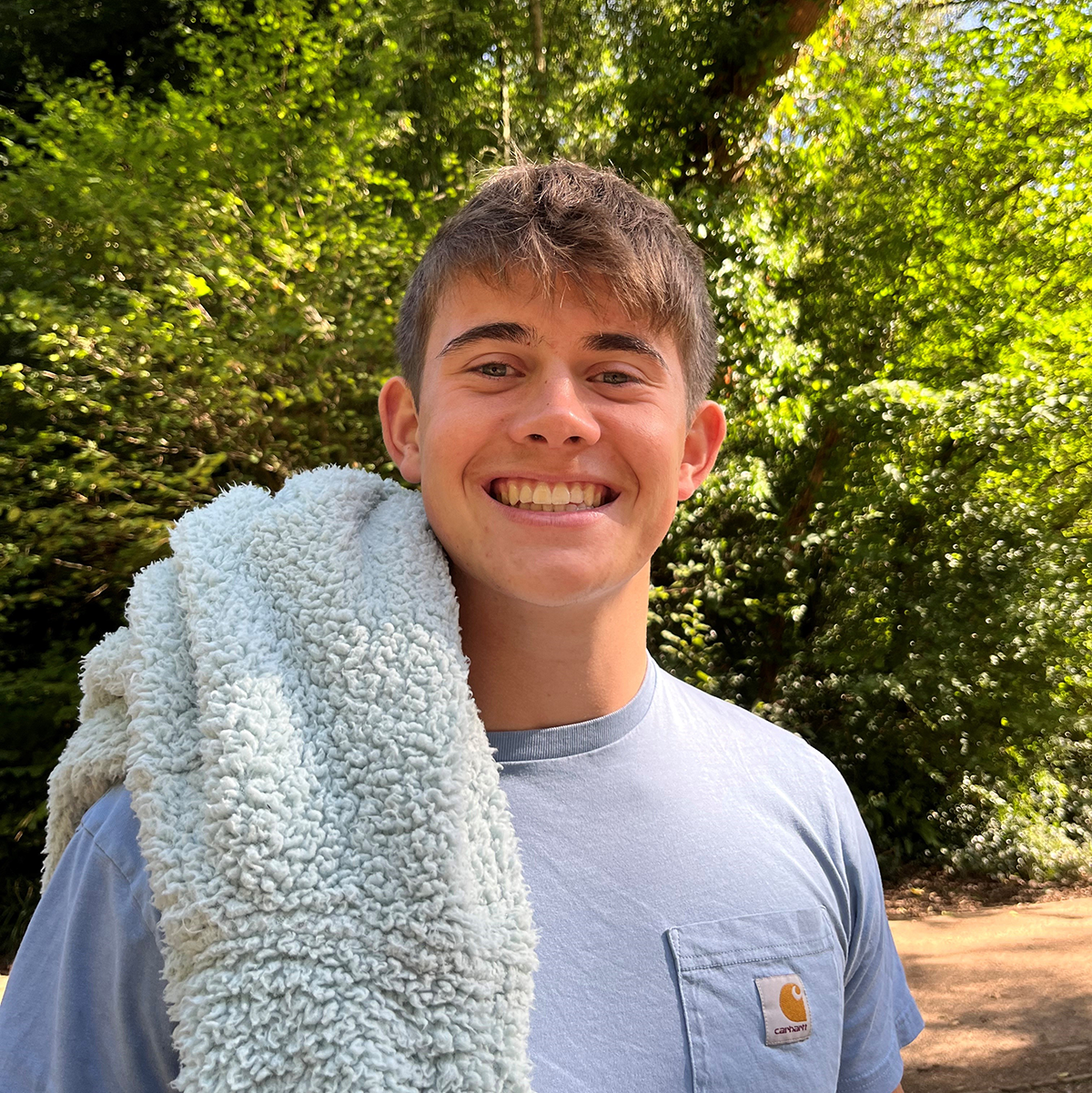
We are proud to launch our new Young Persons Project, which will play a significant role in providing impactful and timely support for young people with inherited sight loss and mental health challenges, across the UK.