
CRISPR Gene Editing Leads to Improvements
CRISPR gene editing leads to improvements in vision for people with inherited blindness, clinical trial shows.
Search results
CRISPR gene editing leads to improvements in vision for people with inherited blindness, clinical trial shows.
Your generous support allows Retina UK to fund the work of leading scientists who are increasing understanding of inherited sight loss and moving us closer to treatments.
We are proud to work with a number of organisations that share our aims and values.

Join us and the Low Vision Team from Focus Birmingham talk about how you can access your local low vision service, the benefits of a low vision assessment and see some of the equipment that can be provided to you.
The latest podcast from Retina UK.
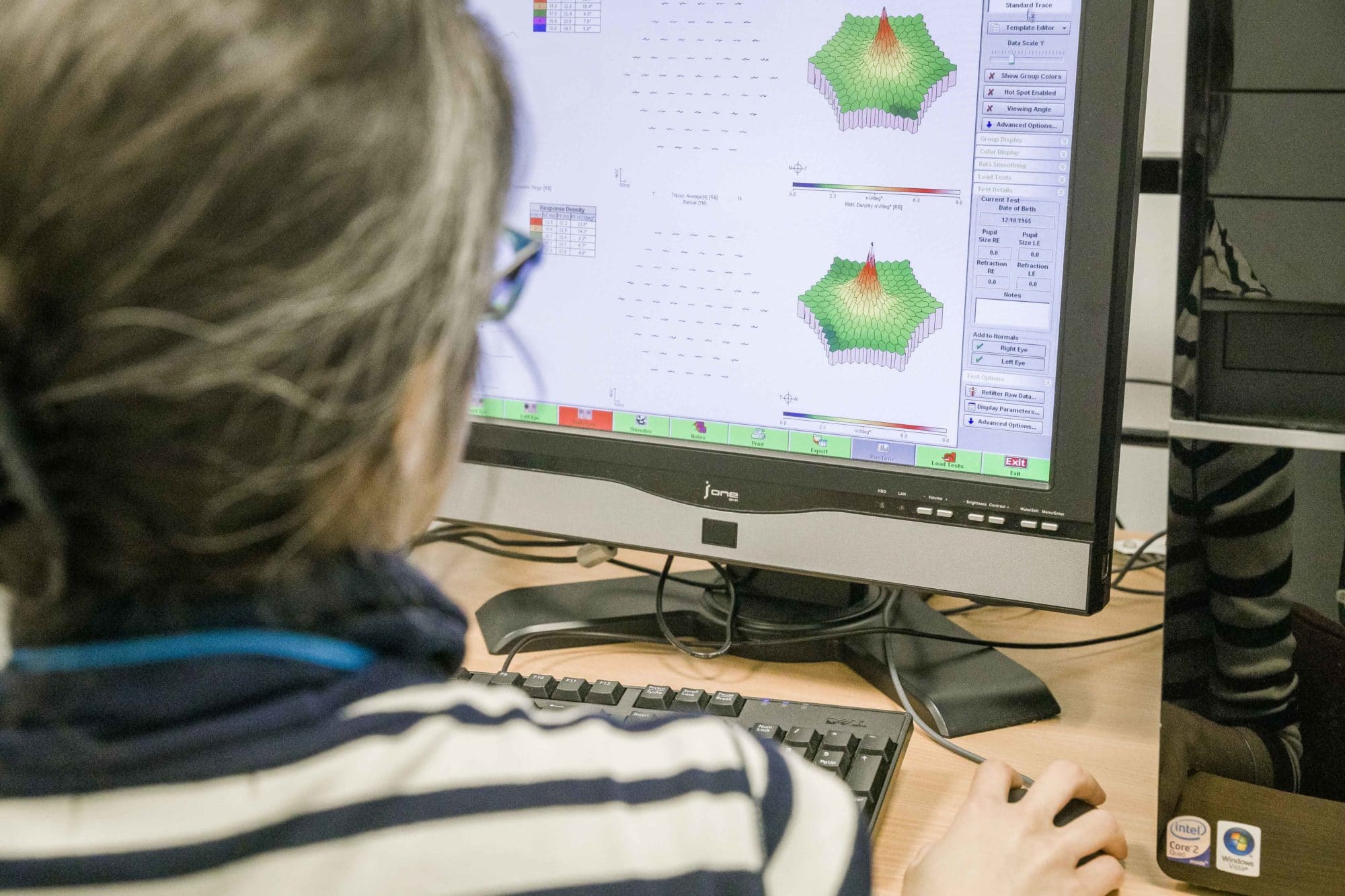
In 2014 we funded an exciting new collaborative project. The UK Inherited Retinal Dystrophy Consortium (UKIRDC) Project brought together the four largest research groups in the UK specialising in inherited retinal diseases (IRDs).

Genetic testing, usually via a blood sample, is used to try and identify which gene contains the fault that is causing an individual’s sight loss.
In recent years there has, understandably, been a lot of excitement around cutting-edge therapies that target the specific genetic faults underlying inherited sight loss.
Join us for an inspiring webinar where young adults living with sight loss share their extraordinary stories and insights
Elena Piotter, a PhD student working in Robert MacLaren’s group in the Nuffield Laboratory of Ophthalmology at the University of Oxford, is currently researching DNA and RNA base editing tools aiming to correct pathogenic mutations in ABCA4.