
Ocugen announce Phase 3 enrolment completion for OCU400, the largest gene agnostic therapy trial for RP
Biotechnology company Ocugen has announced the enrolment completion of their phase 3 clinical trial for OCU400.
Search results
Biotechnology company Ocugen has announced the enrolment completion of their phase 3 clinical trial for OCU400.
X-linked inheritance means that the faulty gene is located on the X chromosome, the larger of the two sex chromosomes.
This page explains the different types of genetic tests: diagnostic testing, predictive testing, carrier testing and research testing
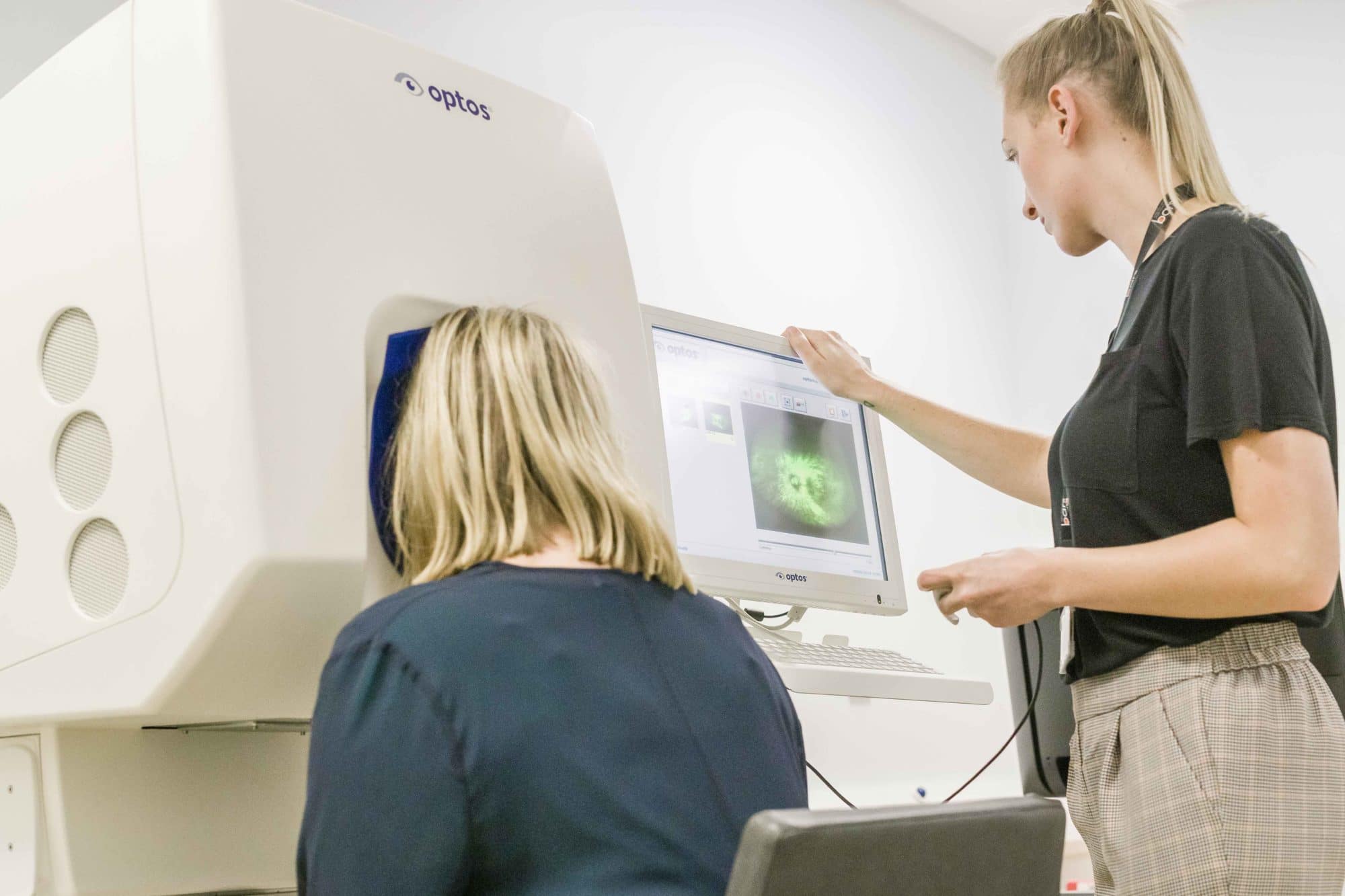
UK researchers have discovered that passing a weak electrical current between electrodes on a person’s scalp may lead to a reduction in frequency of the visual hallucinations experienced by some people living with sight loss.
Autosomal dominant inheritance means that the faulty gene is on an autosome (any chromosome other than the sex chromosomes) and that only one faulty copy is needed to cause sight loss.

It’s not very often that we come across a researcher working on a project inspired by their own lived experience of a sight loss condition.
A recently published study has described numerous disease mechanisms that appear to be common across different types of inherited sight loss, suggesting that there is significant potential for drug treatments that could work regardless of the underlying causative gene.
Beacon Therapeutics announced positive results from their phase 2 gene therapy trial for X-linked retinitis pigmentosa (XLRP) caused by mutations in the RPGR gene.
SpliceBio has begun the dose-expansion portion of their phase 1/2 clinical trial of SB-007, a dual adeno-associated viral vector gene therapy for Stargardt disease.
It was previously believed that female carriers of X-linked inherited retinal diseases (IRDs) like X-linked retinitis pigmentosa (RP and Choroideremia) remained unaffected by sight loss.