
Get involved
Our community are the reason we are able to continue supporting those with inherited sight-loss conditions through research and practical support.
Search results
Our community are the reason we are able to continue supporting those with inherited sight-loss conditions through research and practical support.

Martin's son was diagnosed with Stargardt’s at a young age which has led Martin to take a close interest in the progress of research into Retinal disease.
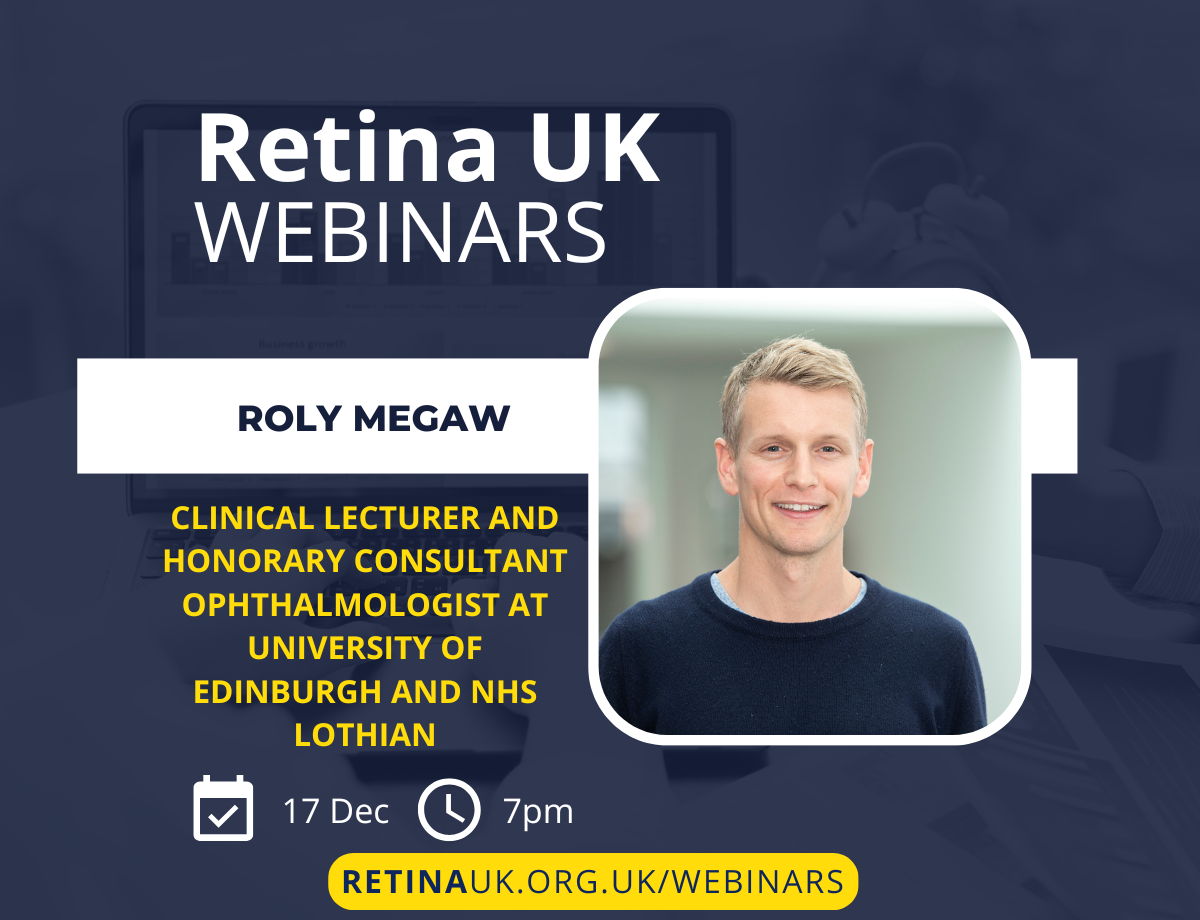
Joining us for an "Ask the Expert" session is Dr Roly Megaw.
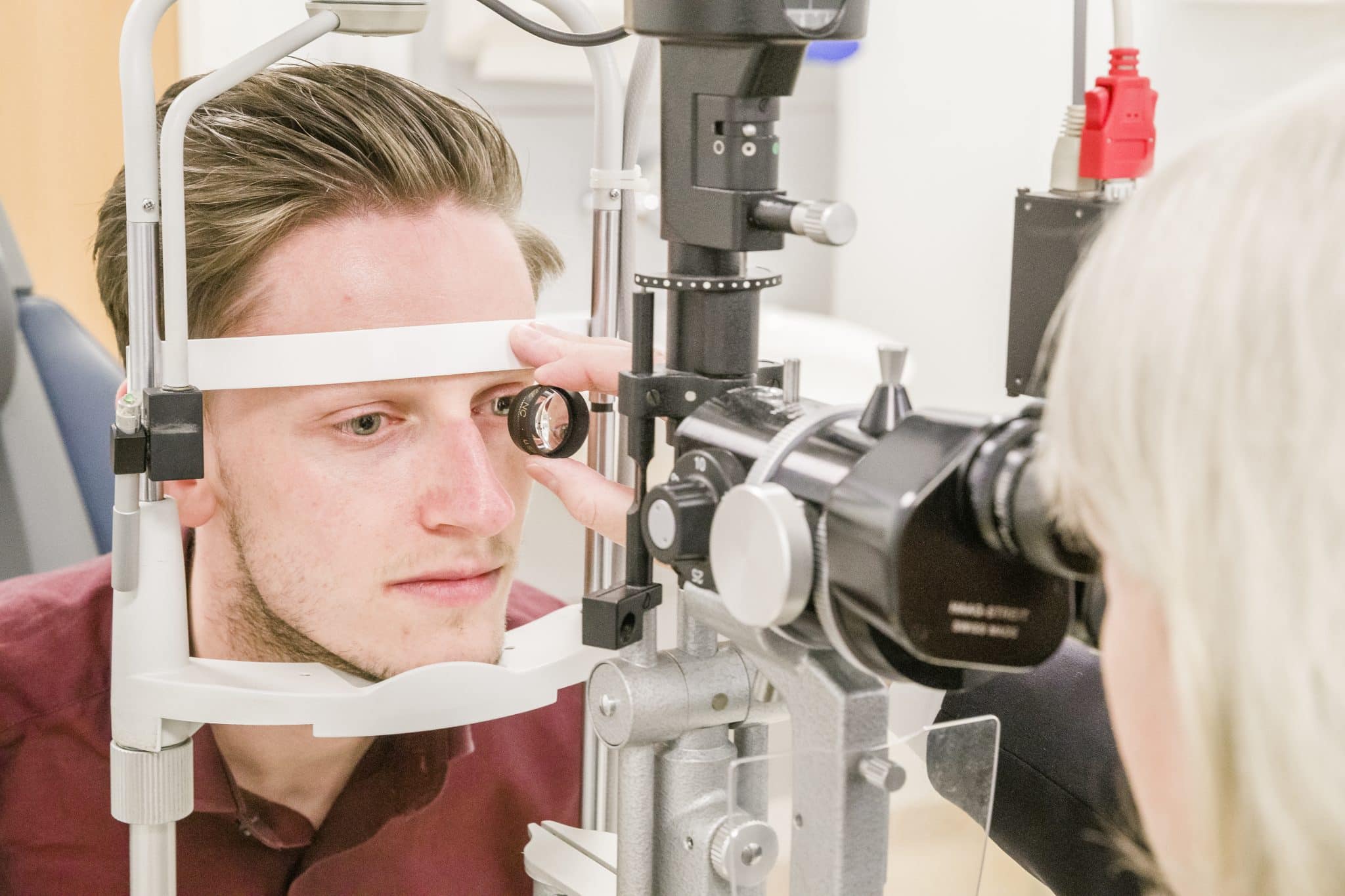
Mirugen – Unlocking the Power of Retina Regeneration

These frequently asked questions should provide a response for most of the queries you might raise.
Our Scientific & Medical Advisory Board (SMAB) advises our Board of Trustees in order that they can approve grants for research projects.
Many inherited sight loss conditions occur when cells in the retina, which is the light-sensitive region at the back of the eye, deteriorate in an unpredictable way. These conditions are often referred to as inherited retinal dystrophies.
Elena Piotter, a PhD student working in Robert MacLaren’s group in the Nuffield Laboratory of Ophthalmology at the University of Oxford, is currently researching DNA and RNA base editing tools aiming to correct pathogenic mutations in ABCA4.
As Luxturna reaches the clinic and other gene-specific therapies for inherited retinal disease get closer to the end of the development pipeline, it is becoming ever more important that affected families can access a genetic diagnosis, potentially opening up choices around treatment and clinical trial participation.
My name is Mark Baxter and from an early age I was diagnosed with a deteriorating retinal eye condition called retinitis pigmentosa or RP for short, which will slowly lead to blindness.