
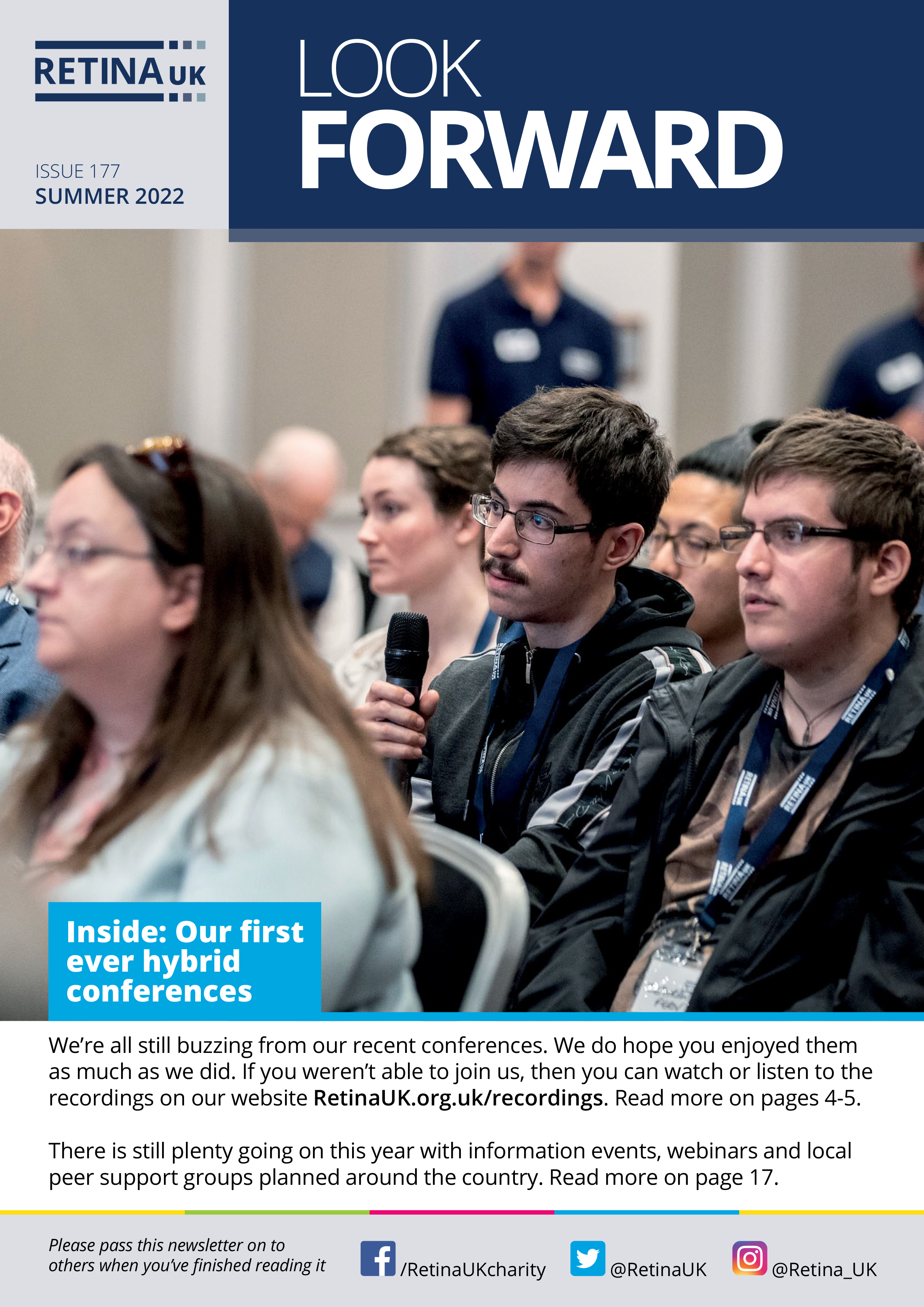
Look Forward – Summer 2022 – Issue 177
We’re all still buzzing from our recent conferences. We do hope you enjoyed them as much as we did. If you weren’t able to join us, then you can watch or listen to the recordings on our website.
Search results
We’re all still buzzing from our recent conferences. We do hope you enjoyed them as much as we did. If you weren’t able to join us, then you can watch or listen to the recordings on our website.
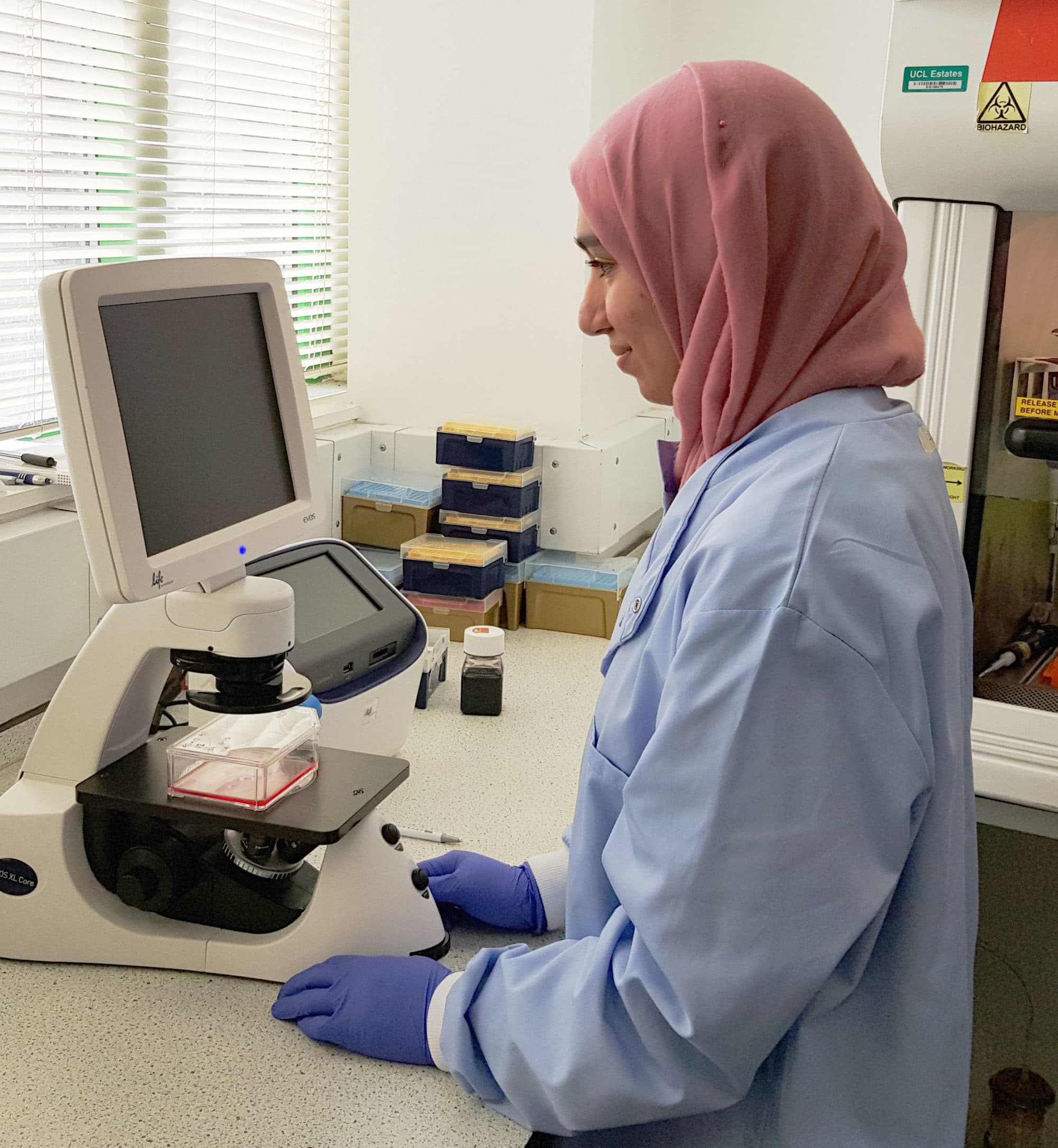
Hajrah Sarkar is a PhD student whose project is funded by Retina UK.

Martin started volunteering for Retina UK in 2014 after retiring as a Chartered Civil Engineer.
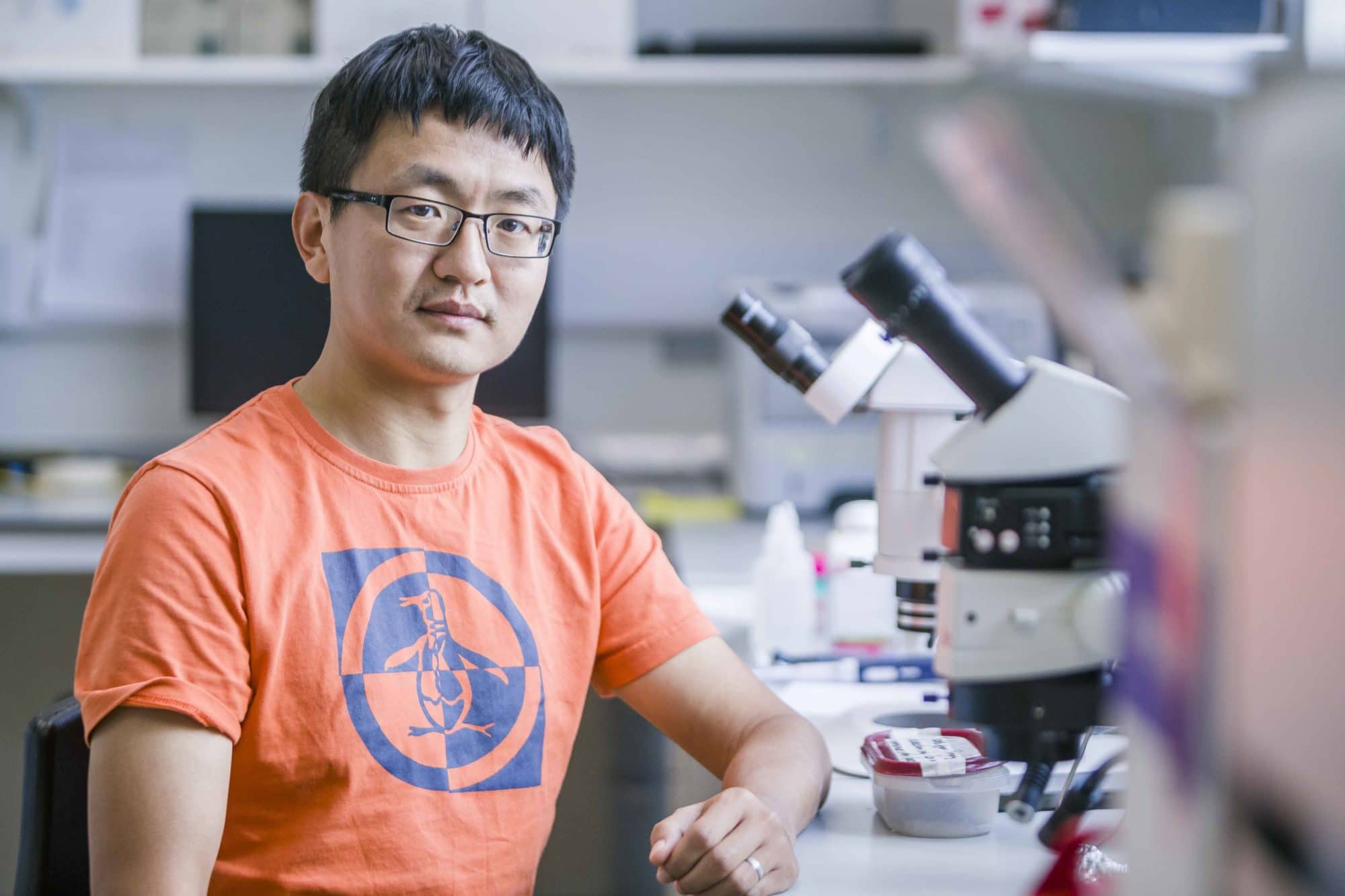
Jing Yu is a Research Assistant at the Nuffield Department of Clinical Neurosciences at the John Radcliffe Hospital in Oxford.
Retina UK invites expressions of interest to their first major innovation grant call, which will result in an award of up to £1million over five years as a strategic and targeted investment to result in transformative impact for therapy for inherited retinal dystrophy.

Nurturing a new generation of scientists is a vital investment in the future of retinal disease research, so we are delighted to be funding, in collaboration with the Macular Society, a new PhD studentship at Oxford University, supervised by Professor Robert MacLaren.
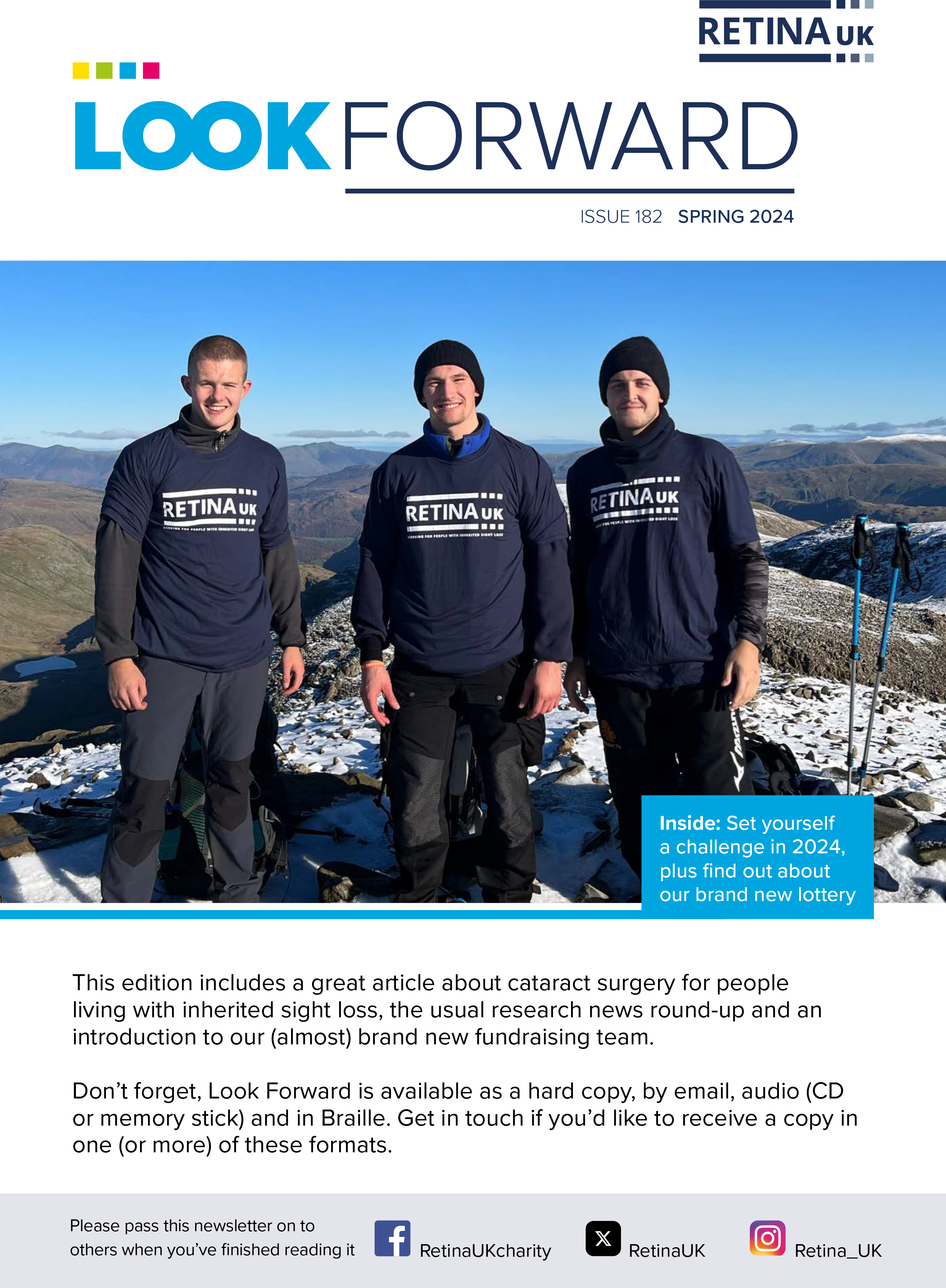
Inside this edition, set yourself a challenge in 2024, plus find out about our brand new lottery.

We provide funding for innovative, high quality research projects investigating the causes and potential treatments for all forms of inherited retinal disease.
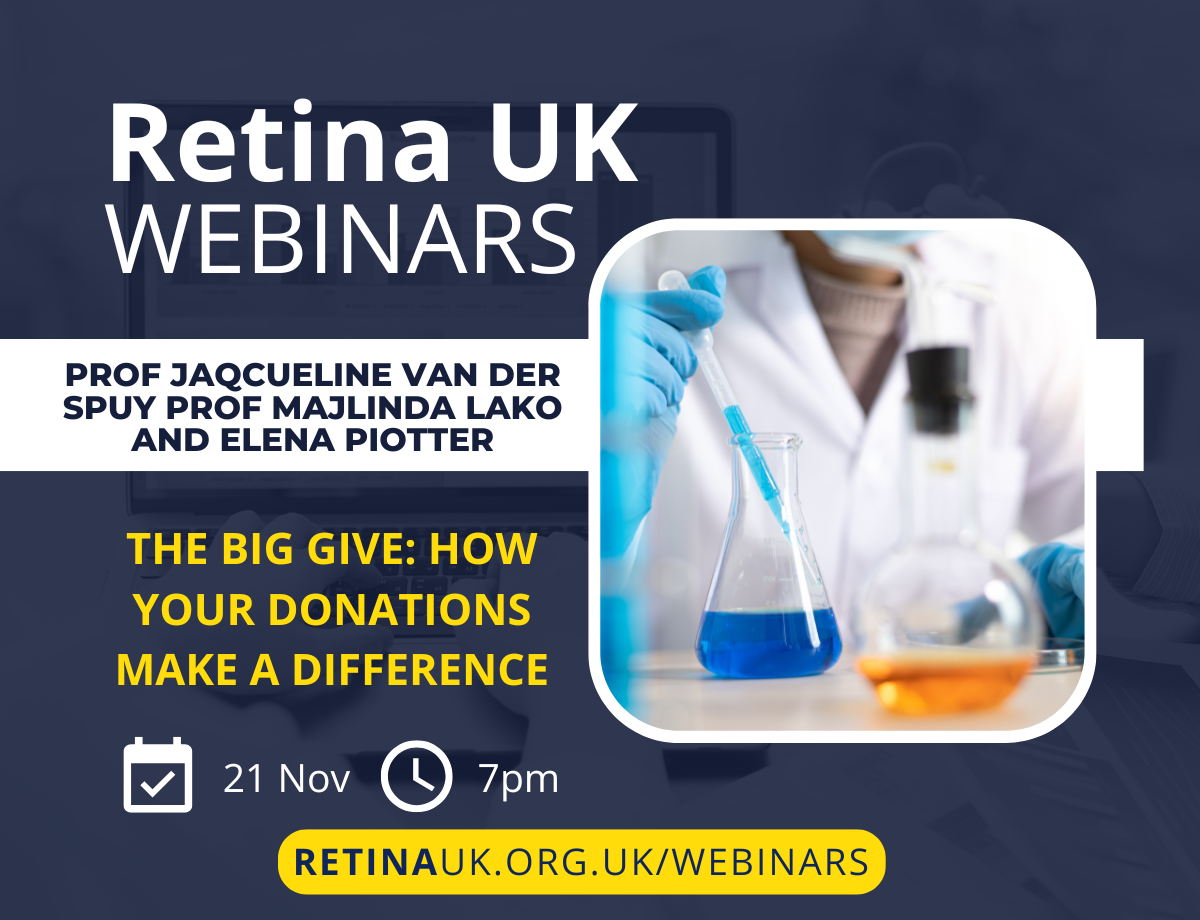
Join us to find out how your donations make a direct different and fund research.
Researchers have developed PEDF-based eye drops that show promise in slowing retinal degeneration in mice with retinitis pigmentosa, potentially offering a non-invasive treatment option for preserving vision in the future.