
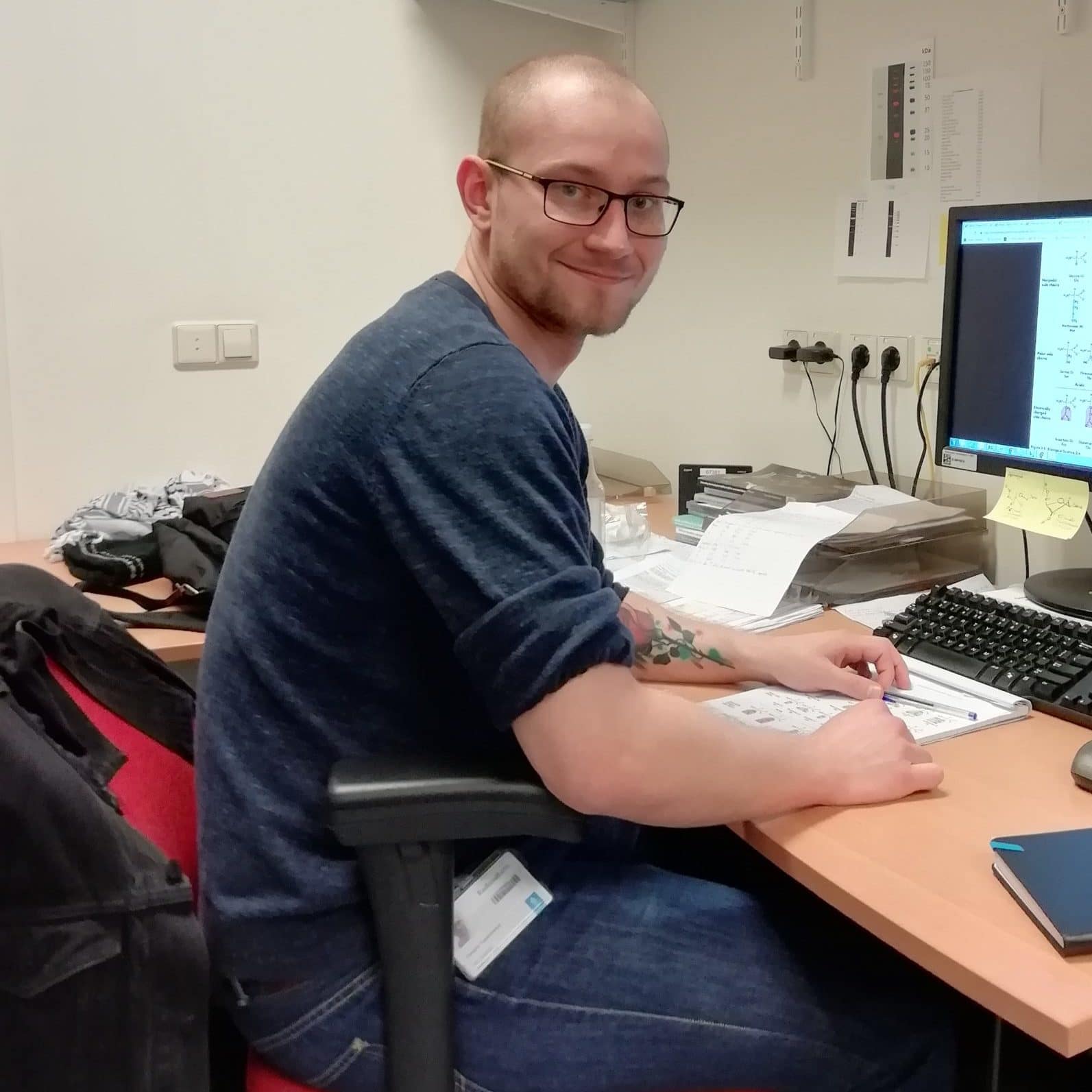
Meet a Researcher: Tomasz Tomkiewicz
Tomasz Tomkiewicz is undertaking a PhD studentship funded by Retina UK and The Macular Society.
Search results
Tomasz Tomkiewicz is undertaking a PhD studentship funded by Retina UK and The Macular Society.
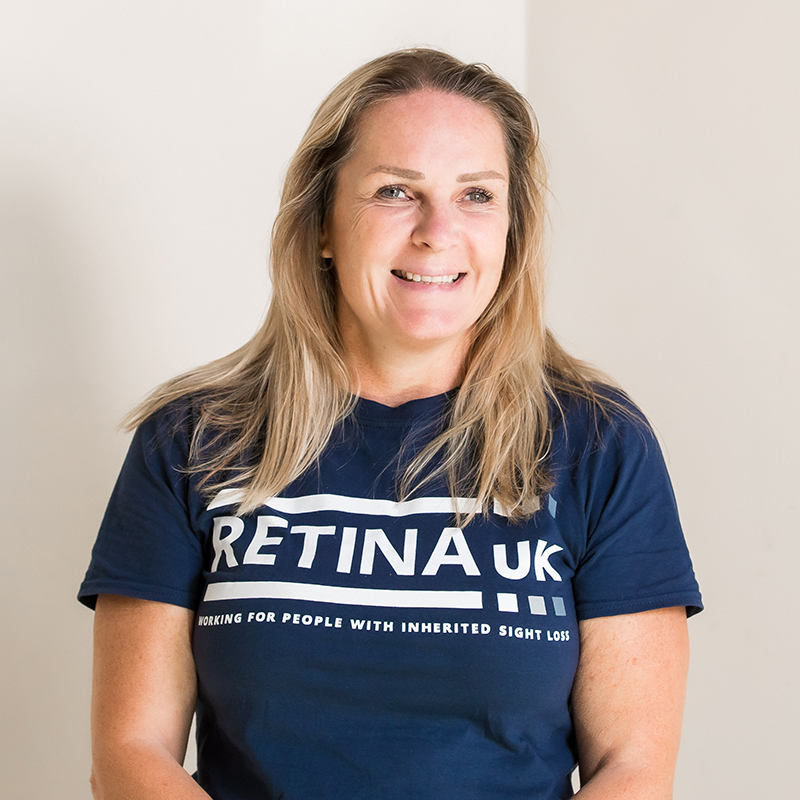
“Being part of something and feeling that you are not alone,” are just two of the positive benefits Cindy Peacock says she experiences as a volunteer with Retina UK.
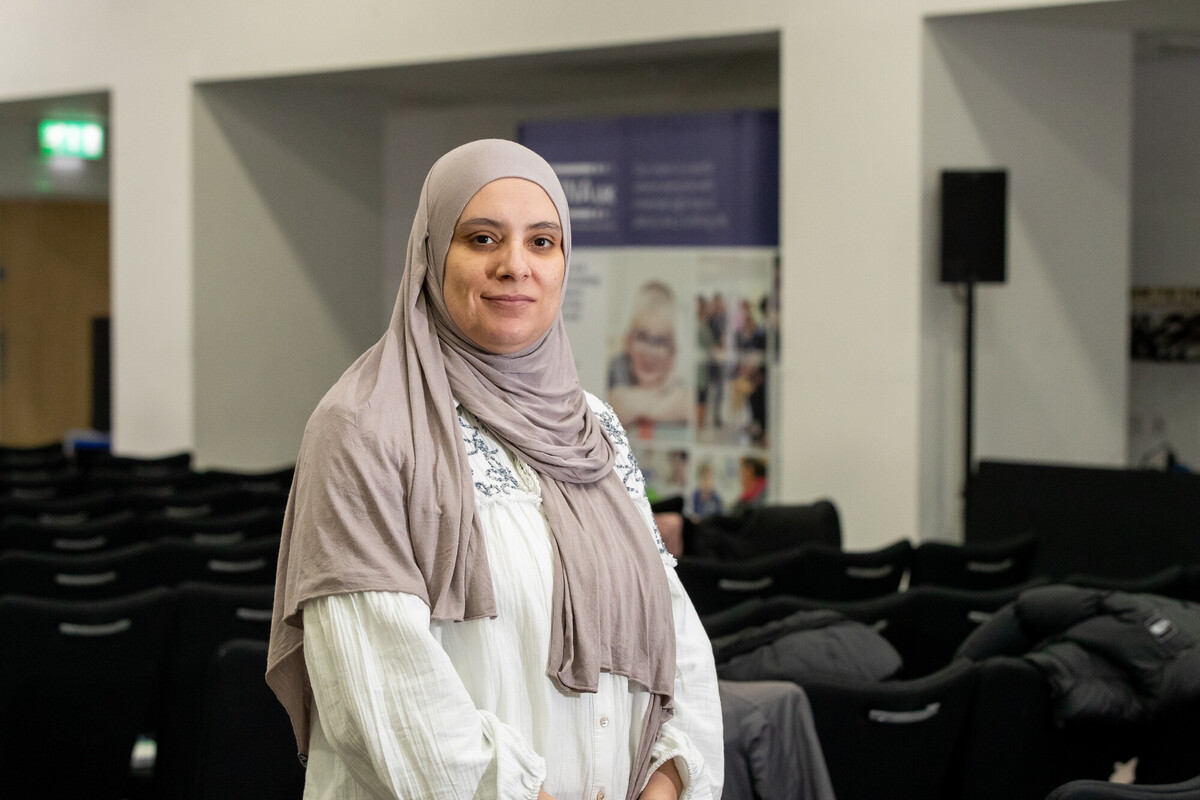
It’s not very often that we come across a researcher working on a project inspired by their own lived experience of a sight loss condition.
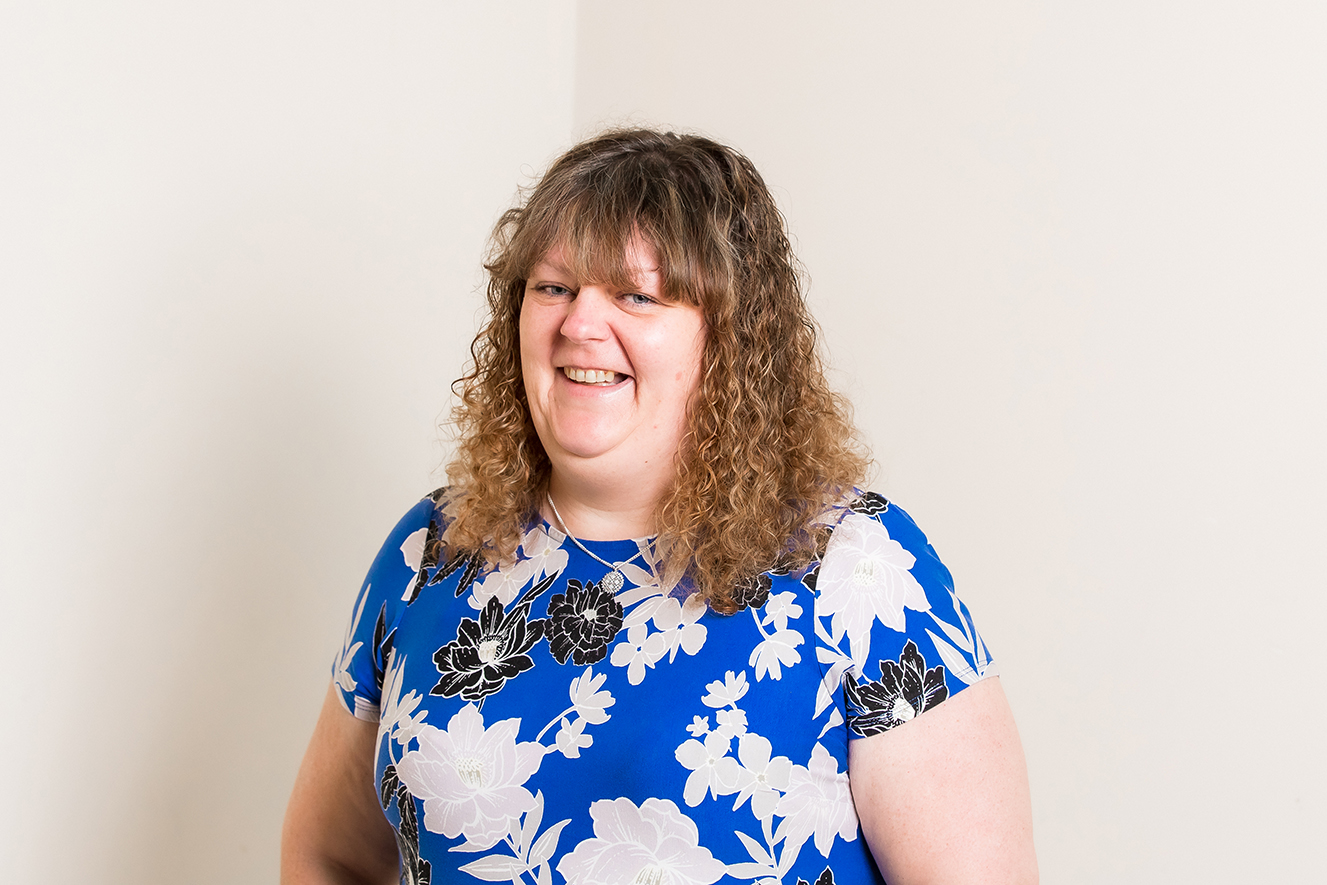
Rachael first noticed she had sight problems at the age of 15. She went to her local eye clinic, who said she had an astigmatism.
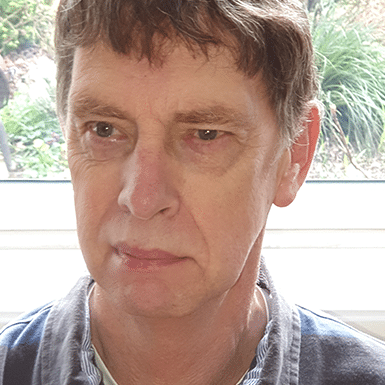
Martin started volunteering for Retina UK in 2014 after retiring as a Chartered Civil Engineer.
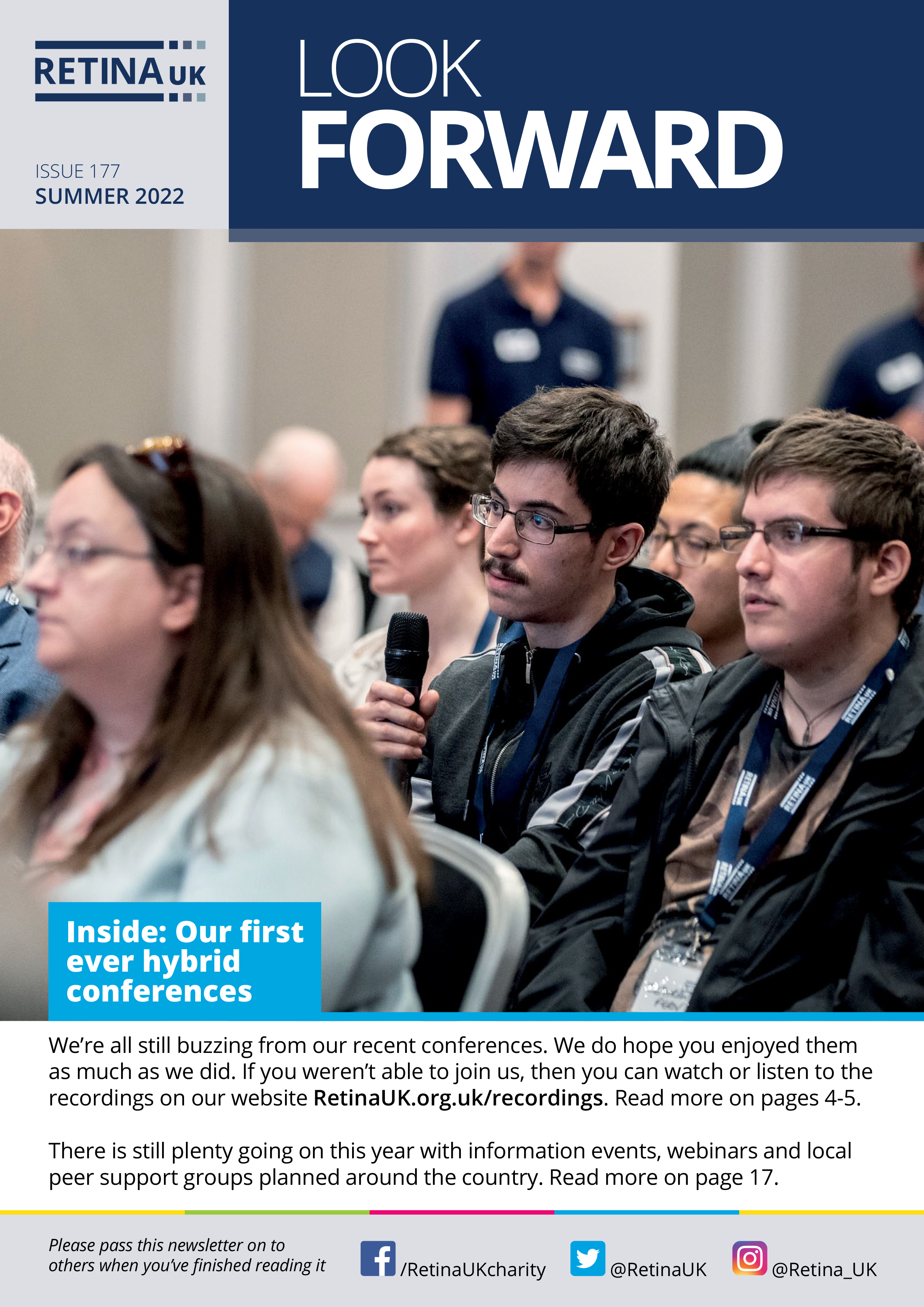
We’re all still buzzing from our recent conferences. We do hope you enjoyed them as much as we did. If you weren’t able to join us, then you can watch or listen to the recordings on our website.
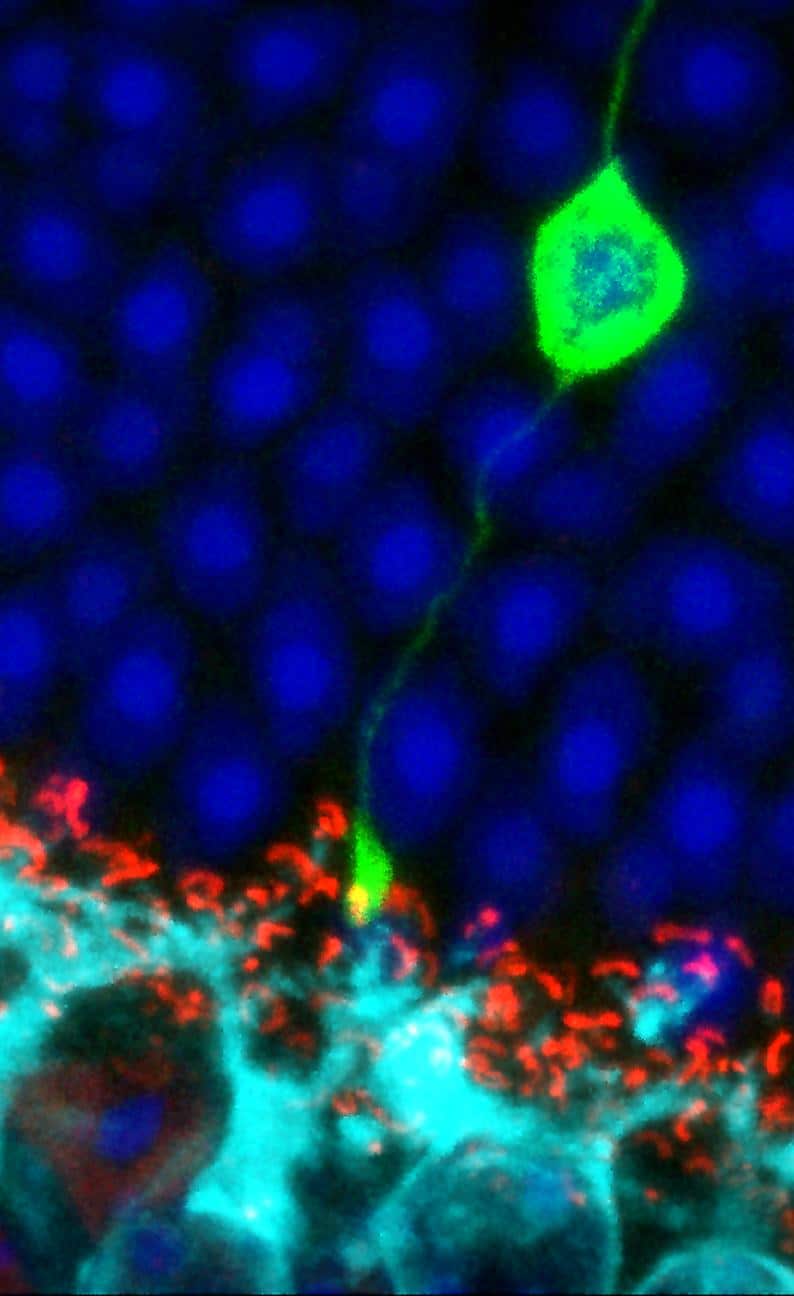
Stem cells are a special type of cell, which under the right conditions can be encouraged to grow into any other type of cell in the body, including retinal cells (rods, cones and retinal pigment epithelial cells).
Biotechnology company ProQR has announced encouraging results from its phase 1/2 clinical trial of an innovative treatment for sight loss caused by faults in a specific section of the USH2A gene.
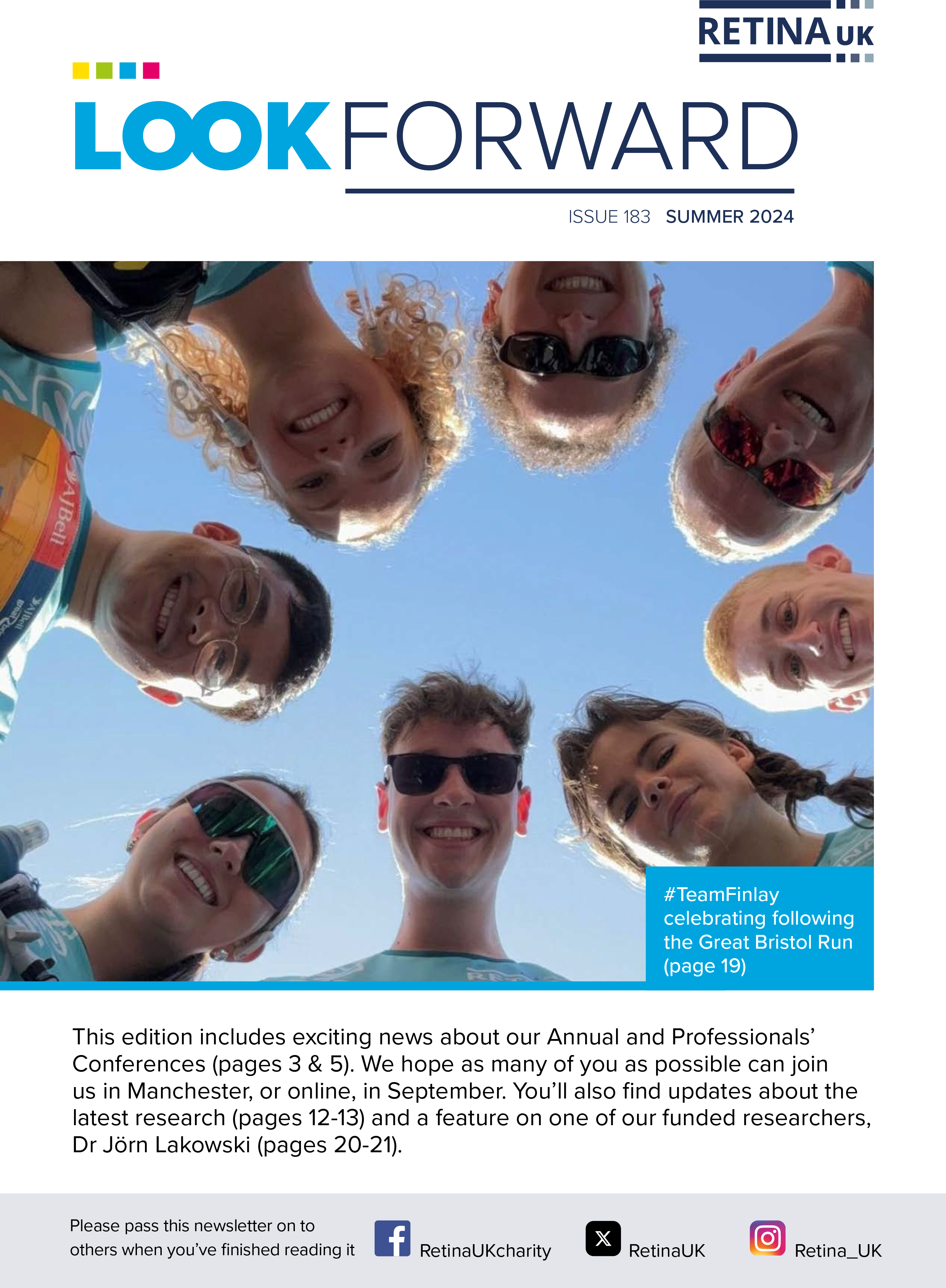
This edition includes exciting news about our Annual and Professionals’ Conferences. We hope as many of you as possible can join us in Manchester, or online, in September. You’ll also find updates about the latest research and a feature on one of our funded researchers, Dr Jörn Lakowski.
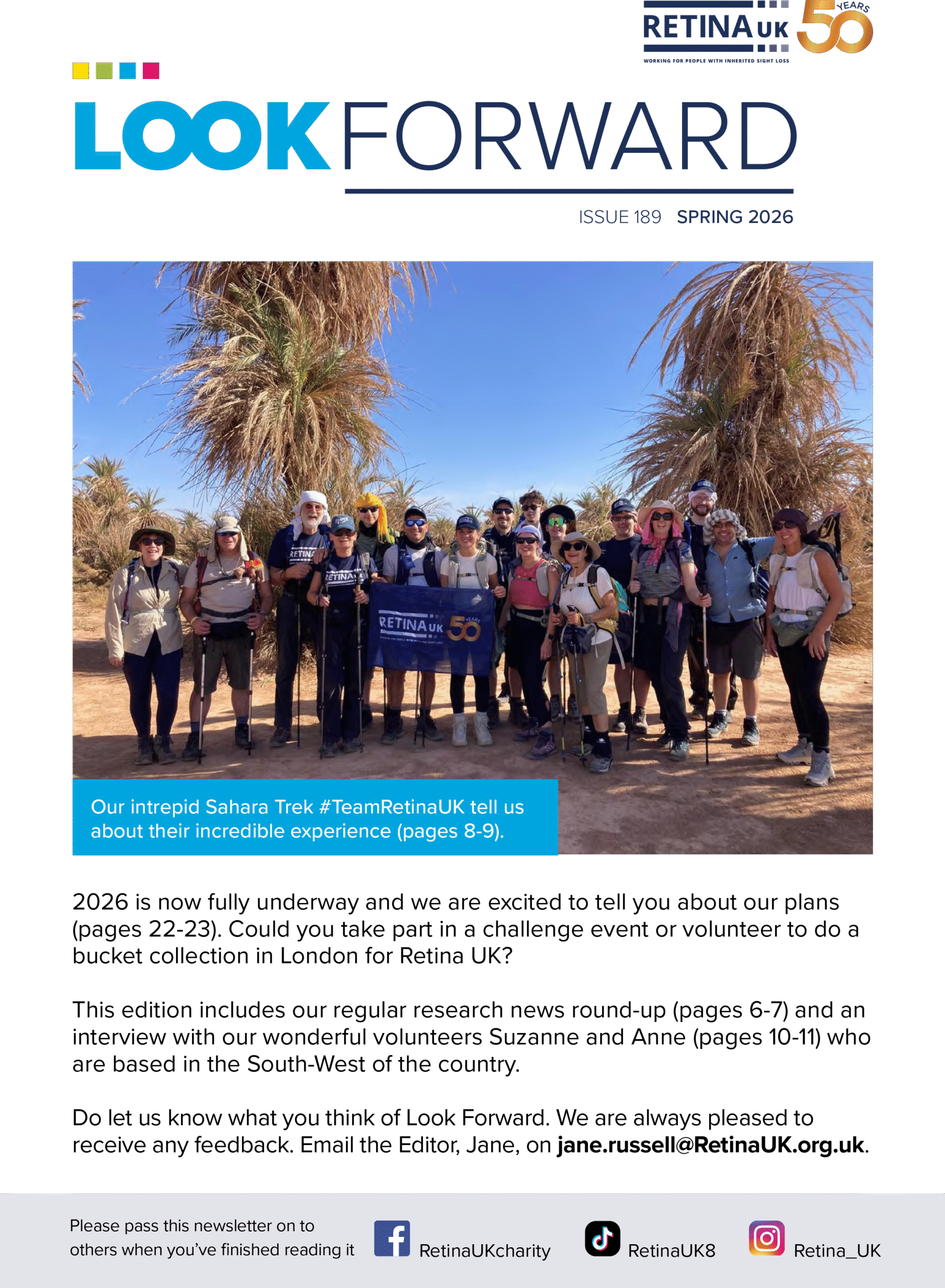
Inside: Our intrepid Sahara Trek #TeamRetinaUK tell us about their incredible experience. 2026 is now fully underway and we are excited to tell you about our plans. Could you take part in a challenge event or volunteer to do a bucket collection in London for Retina UK?