Look Forward – Winter 2022 – Issue 178
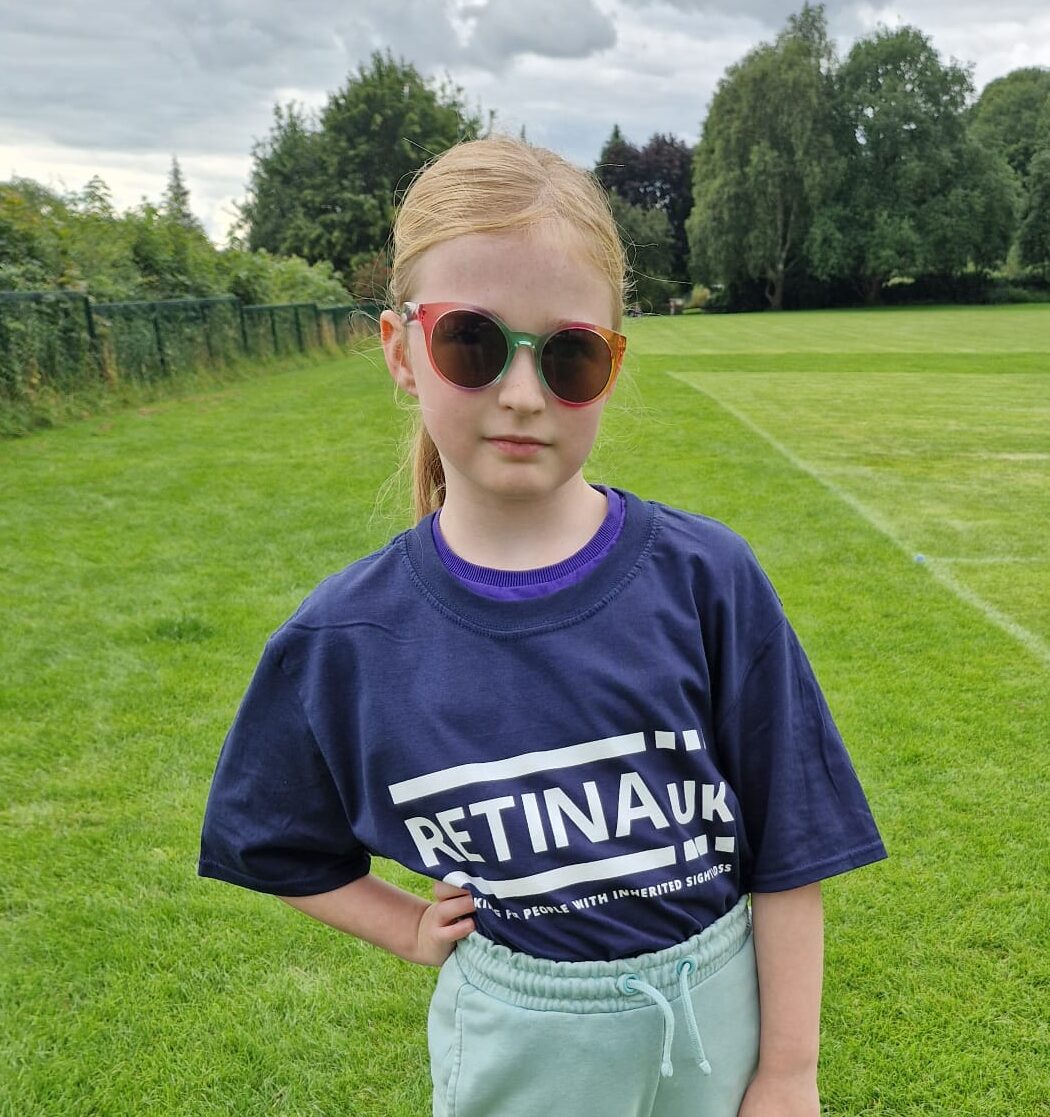
The cover of this edition celebrates the success of our amazing London Marathon team. Together they have raised more than £43,000.
Search results
The cover of this edition celebrates the success of our amazing London Marathon team. Together they have raised more than £43,000.
Genes exist inside all the cells that make up your body. They contain genetic code (DNA) and provide instructions for constructing proteins, which are the building blocks of our bodies and perform a huge variety of roles.
Your doctor or genetic counsellor will spend some time asking about other people in your family to try to work out the way in which your particular faulty gene has been passed down through the generations – this is referred to as the inheritance pattern.
Biotechnology company MeiraGTx has announced encouraging news from its phase 1/2 clinical trial of botaretigene sparoparvovec (previously known as AAV-RPGR), a gene therapy aimed at X-linked retinitis pigmentosa caused by faults in the RPGR gene.
In recent years there has, understandably, been a lot of excitement around cutting-edge therapies that target the specific genetic faults underlying inherited sight loss.
“All the promising research makes you feel like there is light at the end of that very dark tunnel after all.”
Biotechnology company ProQR has announced encouraging results from its early analysis of the phase 1/2 trial of QR-421a, an innovative approach to treating sight loss caused by mutations in a particular section of the USH2A gene.
James Birtley is a Retina UK supporter and volunteer who is living with retinitis pigmentosa. He is also a scientist with a particular interest in the structure of proteins, the complex molecules that form the building blocks of our bodies.
Retina UK is delighted that the Scottish Medicines Consortium (SMC) has accepted the gene therapy Luxturna (voretigene neparvovec) for ongoing use by the NHS in Scotland.
Researchers who received funding from Retina UK have carried out experimental gene therapy that is reported to have led to ‘life changing improvements’ to sight for four children with inherited sight loss.