
Belite Bio announces promising phase 3 results for Stargardt disease
The latest research news from Retina UK.
Search results
The latest research news from Retina UK.
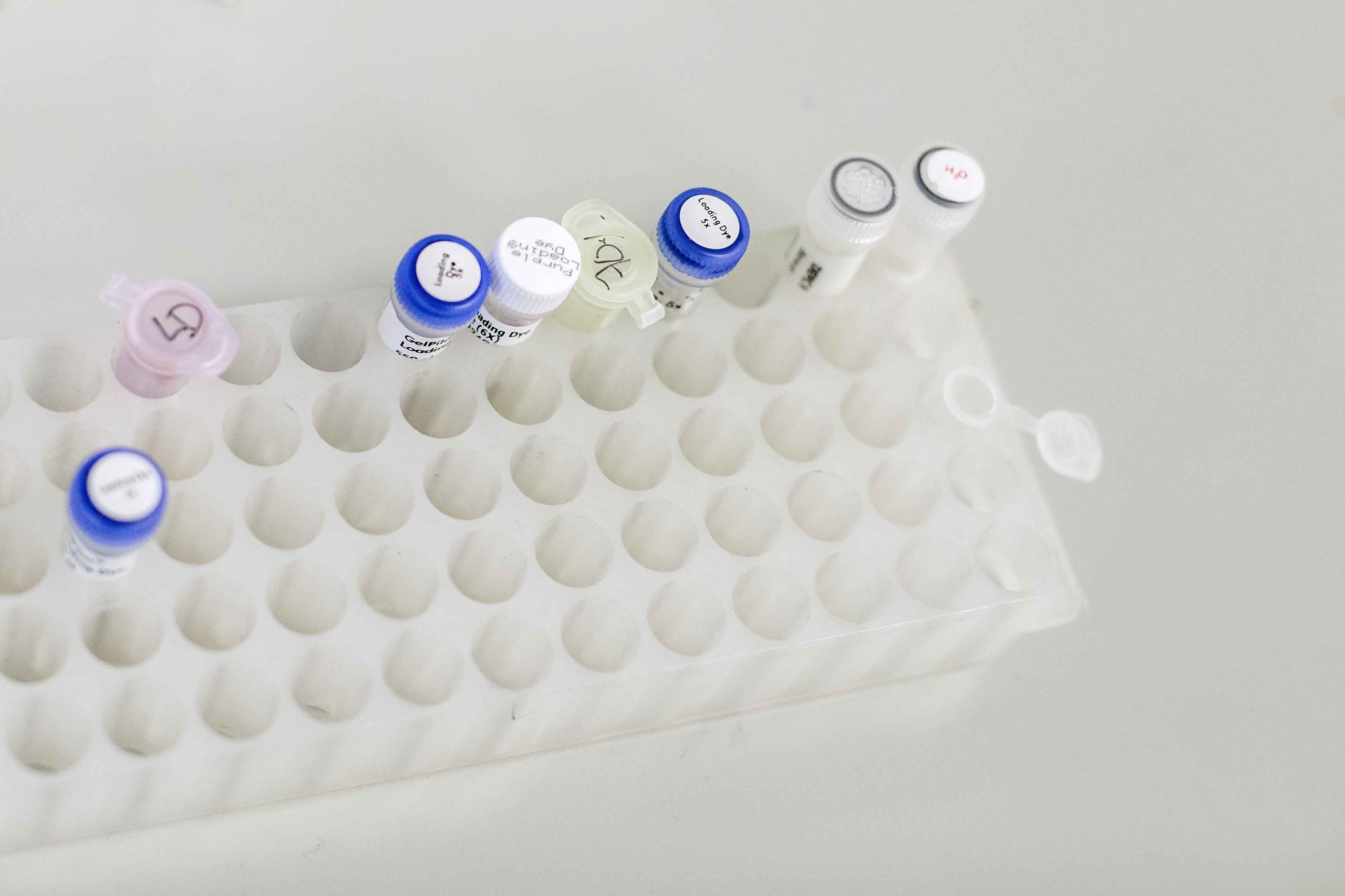
Progress towards treatments for inherited retinal conditions continues to gather pace and there’s been lots going on in the last few months, with more and more approaches being explored. This round-up gives a flavour of the variety of developments, including plenty that are not specific to a particular genetic fault.
Our monthly e-Newsletter featuring the latest updates from Retina UK.
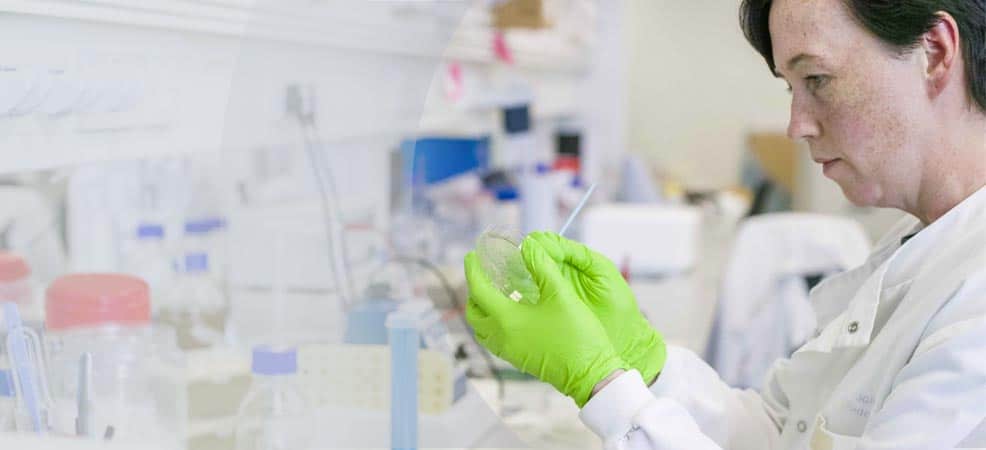
With a significant proportion of inherited retinal conditions being caused by unidentified genetic faults, and many families unable to get clear results from genetic tests in clinic, the project set out to solve previously undiagnosable cases and discover more of the genes and mutations that are associated with sight loss.
Your generous support allows Retina UK to fund the work of leading scientists who are increasing understanding of inherited sight loss and moving us closer to treatments.
As Luxturna reaches the clinic and other gene-specific therapies for inherited retinal disease get closer to the end of the development pipeline, it is becoming ever more important that affected families can access a genetic diagnosis, potentially opening up choices around treatment and clinical trial participation.

When we talk about gene therapy we are usually referring to use of a harmless virus, called a vector, to deliver a normal copy of a defective gene into the cells of the eye.

Genetic testing, usually via a blood sample, is used to try and identify which gene contains the fault that is causing an individual’s sight loss.
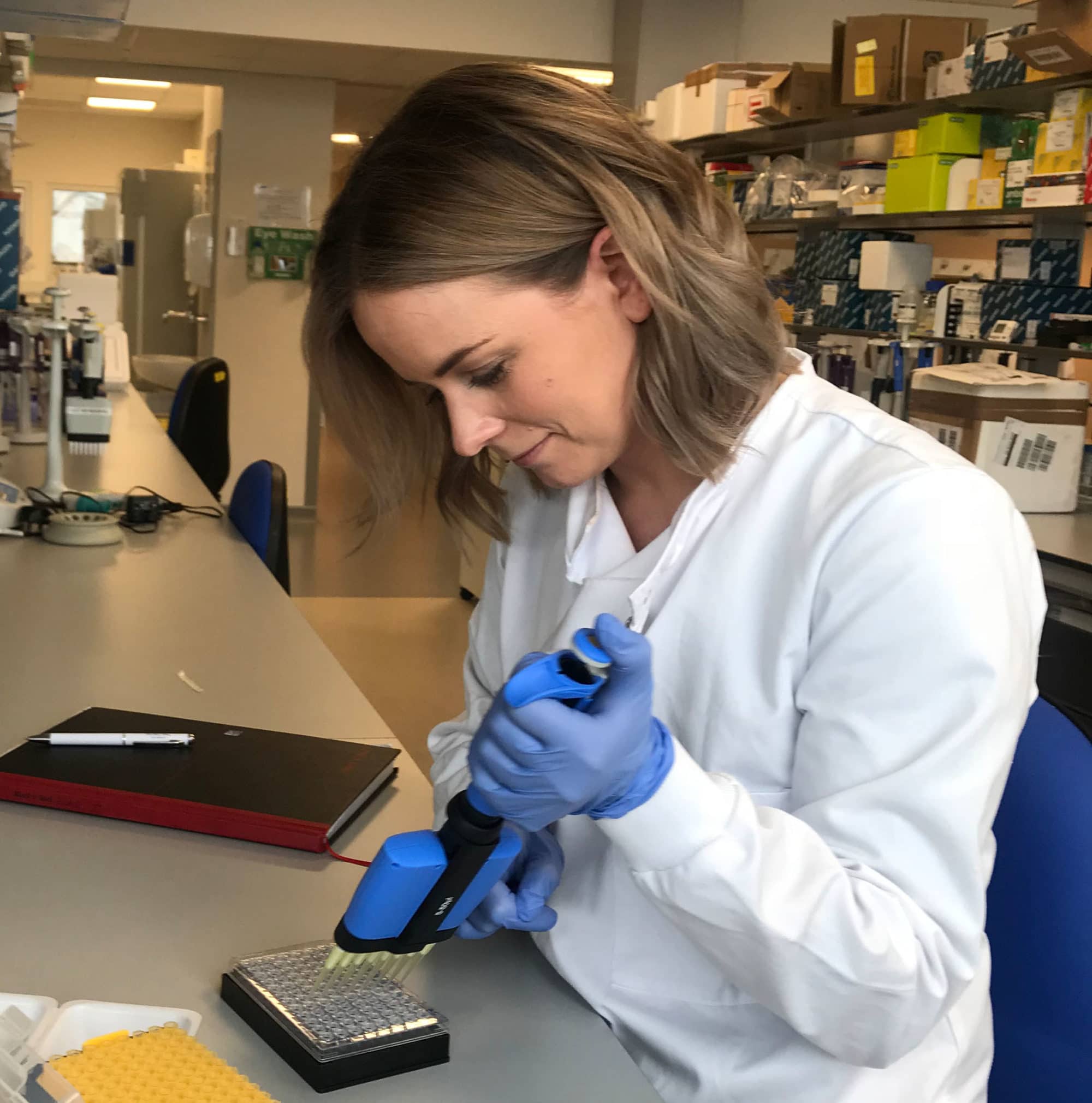
Dr Rachel Taylor is part of the UK Inherited Retinal Dystrophy Consortium (UKIRDC) team at the University of Manchester.
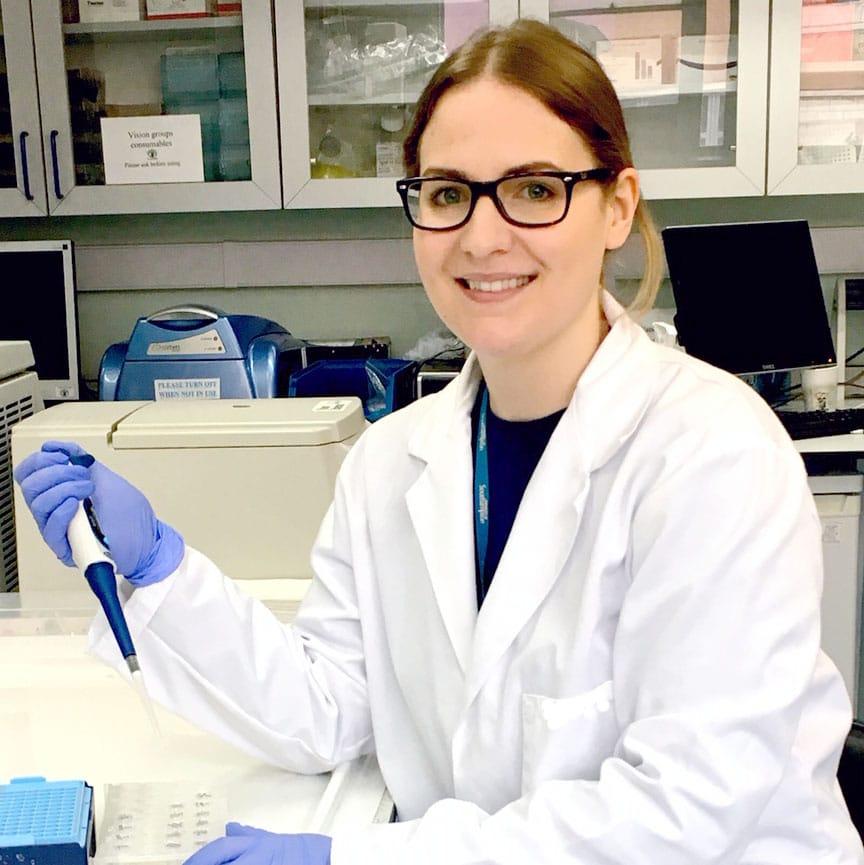
Jenny Dewing is a postdoctoral researcher working on a Retina UK-funded project with Dr Arjuna Ratnayaka at the University of Southampton.