
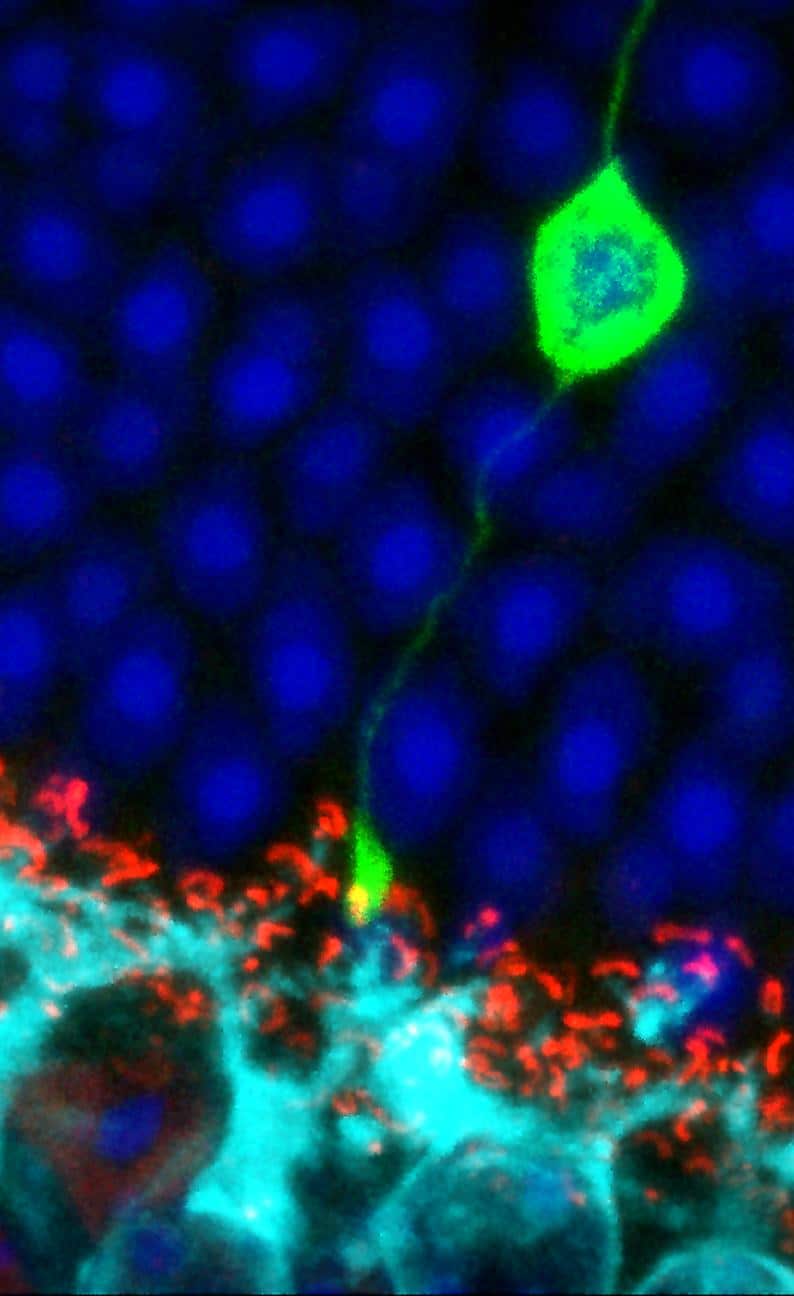
Stem cells
Stem cells are a special type of cell, which under the right conditions can be encouraged to grow into any other type of cell in the body, including retinal cells (rods, cones and retinal pigment epithelial cells).
Search results
Stem cells are a special type of cell, which under the right conditions can be encouraged to grow into any other type of cell in the body, including retinal cells (rods, cones and retinal pigment epithelial cells).

When we talk about gene therapy we are usually referring to use of a harmless virus, called a vector, to deliver a normal copy of a defective gene into the cells of the eye.
In recent years there has, understandably, been a lot of excitement around cutting-edge therapies that target the specific genetic faults underlying inherited sight loss.

Her work with us enables her to achieve her aim of empowering others living with similar conditions to her own.
New stem cell treatment gains approval to enter US clinical trials
In spring 2021, the US company jCyte announced detailed results from their successful phase 2b clinical trial of jCell, a stem cell-based treatment for RP.

After more than 10 years of service as Chair of the Board of Trustees, Don Grocott has retired.
The BBC covered a story on Monday 24 May about optogenetics partially restoring the sight of a man living with retinitis pigmentosa in France.

We are proud to announce that Amar Latif - adventurer, entrepreneur, TV presenter and public speaker - is to join Retina UK as a volunteer ambassador.
Our monthly e-Newsletter featuring the latest updates from Retina UK. Subscribe now to receive these updates directly to your email.