
e-Newsletter – April 2023
Our monthly e-Newsletter featuring the latest updates from Retina UK. Subscribe now to receive these updates directly to your email.
Search results
Our monthly e-Newsletter featuring the latest updates from Retina UK. Subscribe now to receive these updates directly to your email.
Our monthly e-Newsletter featuring the latest updates from Retina UK.

This race is the Midlands’ biggest annual running event, with thousands of Brummie runners taking to the streets every year to challenge themselves and raise money for charity. Could you run as part of #TeamRetinaUK in 2026?

Held annually since 1982, the race begins in the city centre, before moving out of Edinburgh into East Lothian and finishes at Musselburgh in East Lothian. Are you ready to run for Retina UK?
It has recently been announced that Meira-GTx, who originally developed bota-vec and collaborated with J&J during its early clinical trials, have entered into an asset purchase agreement with J&J to acquire bota-vec and progress the program towards global regulatory filings for approval.
Researchers have recently presented promising clinical data at the International Society for Stem Cell Research demonstrating that transplanted human neural progenitor cells survived for at least one year in participants with Retinitis Pigmentosa (RP).
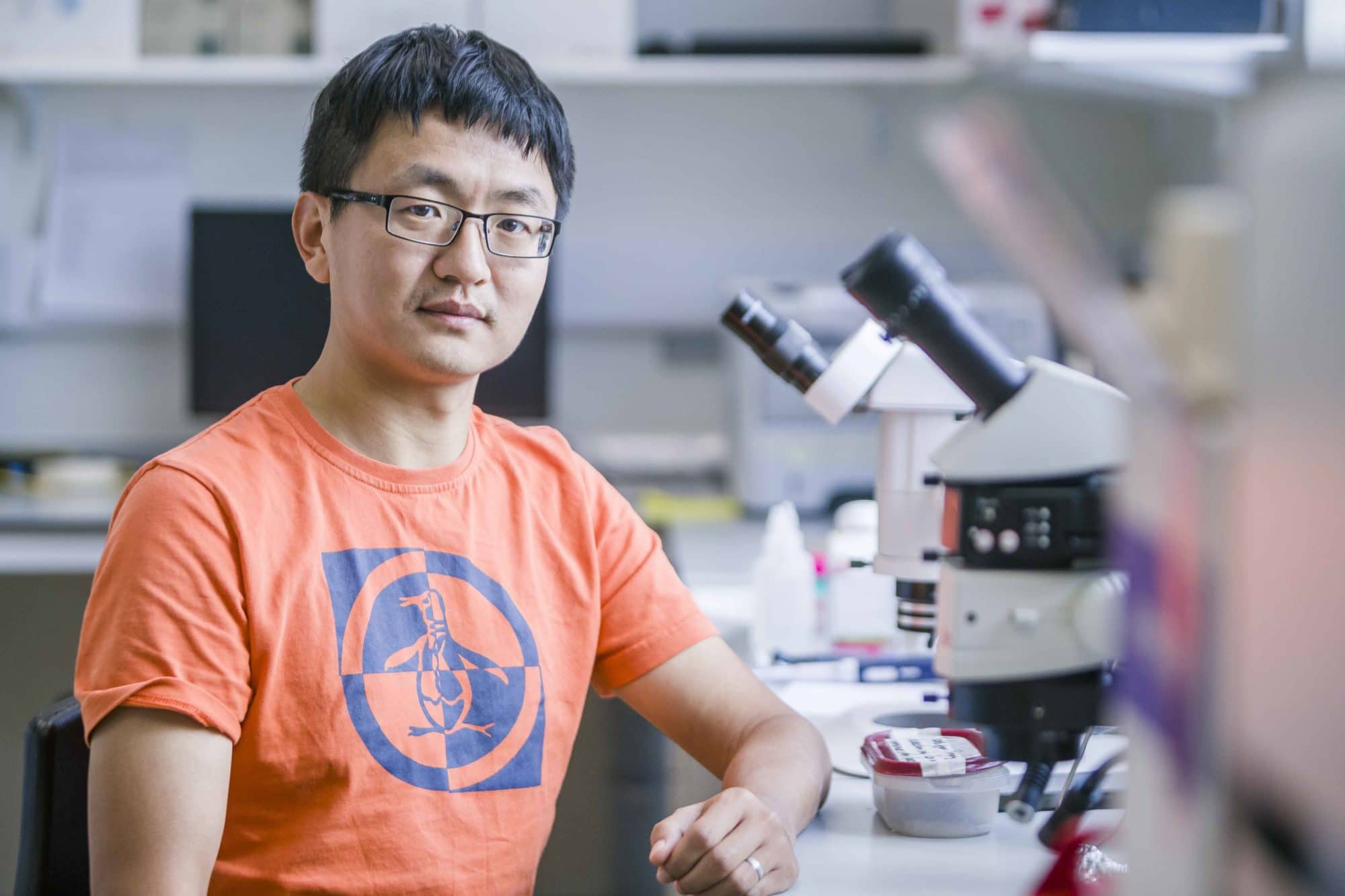
Jing Yu is a Research Assistant at the Nuffield Department of Clinical Neurosciences at the John Radcliffe Hospital in Oxford.
jCyte have released additional preclinical data regarding jCell
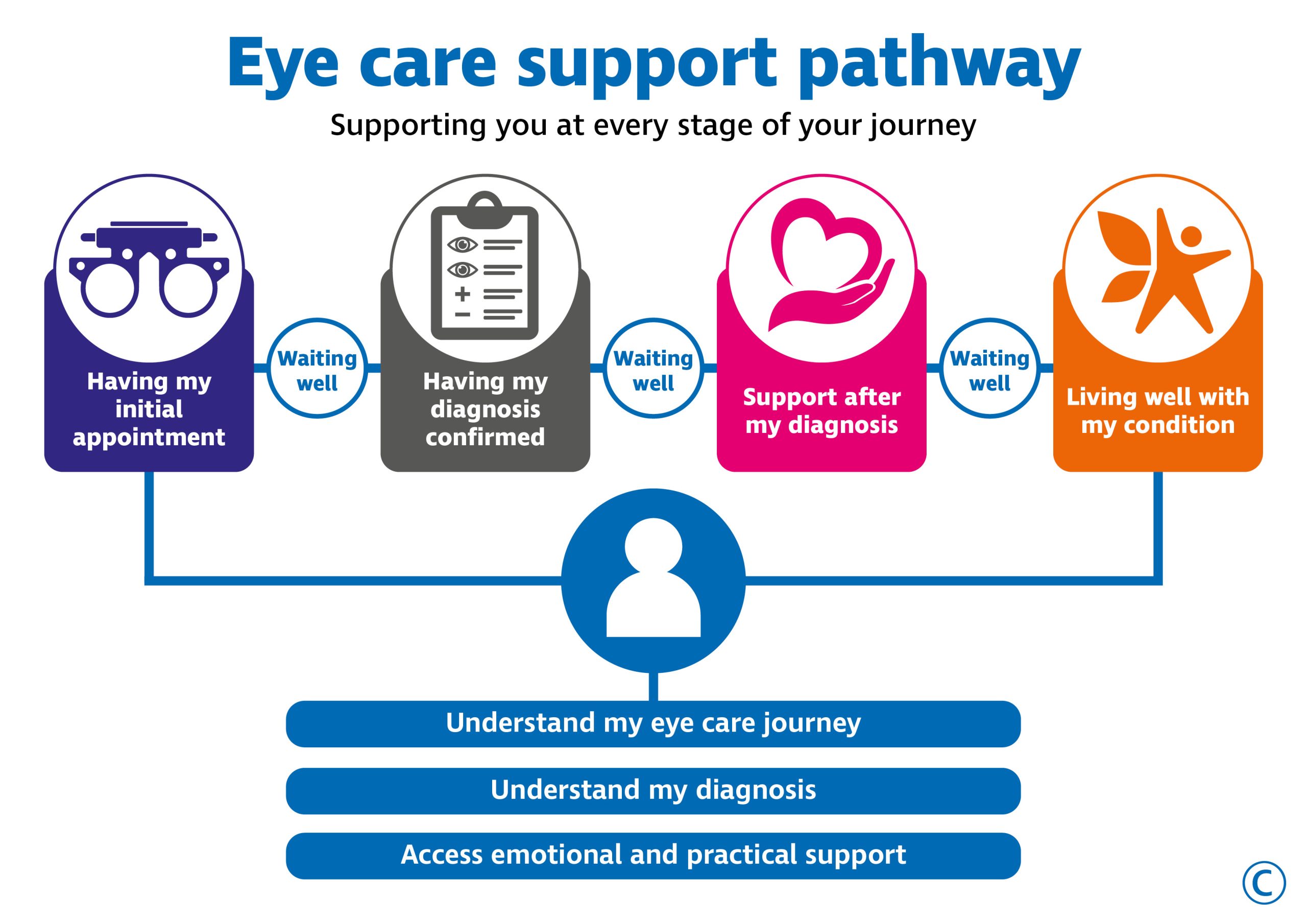
New Eye Care Support Pathway wins cross-sector backing for transforming the way people with care needs and sight loss are helped emotionally and practically.