
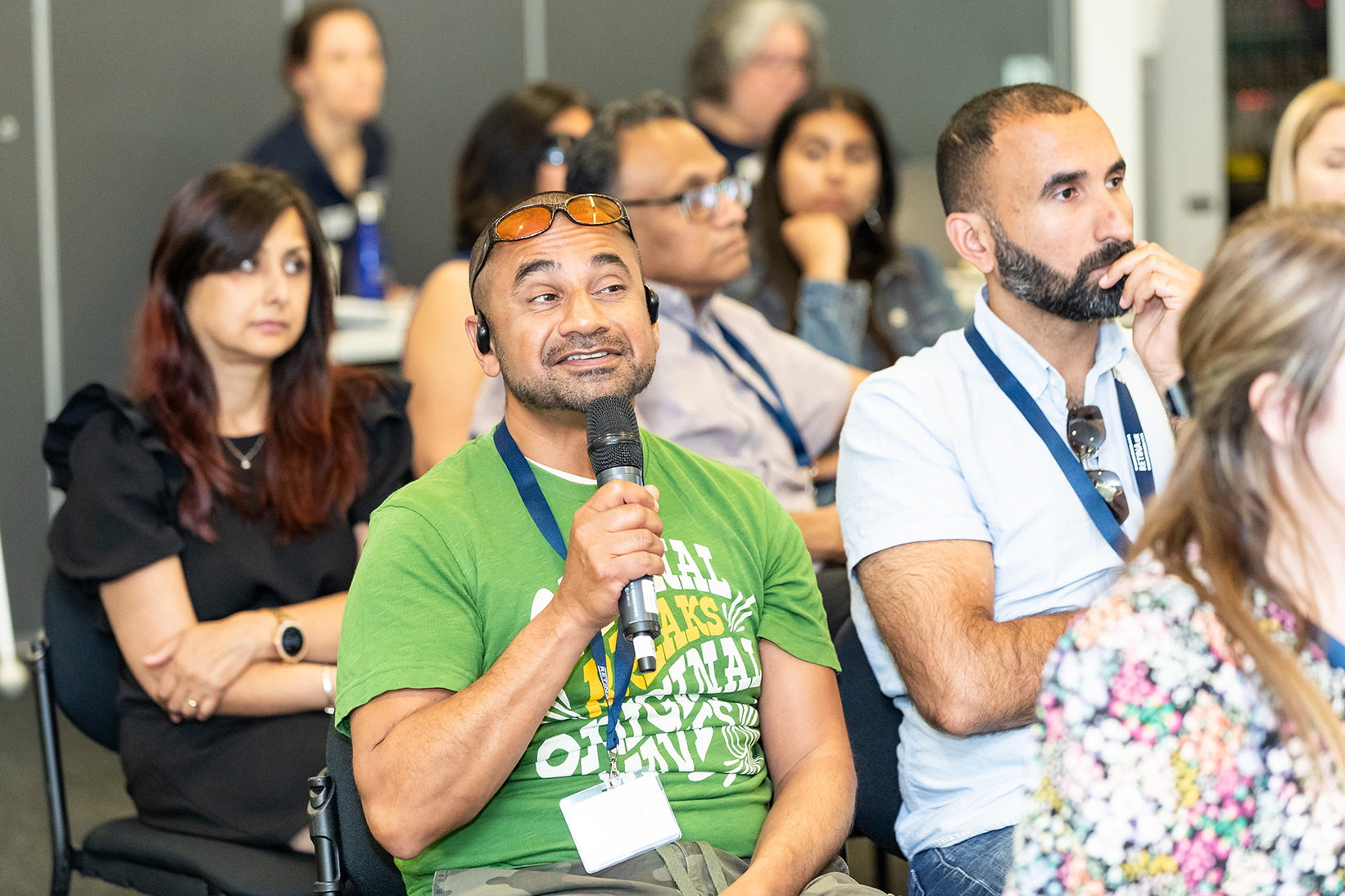
Retina UK Professionals’ Conference 2024
The Retina UK Professionals’ Conference is aimed at anyone who works with our community in a professional capacity.
Search results
The Retina UK Professionals’ Conference is aimed at anyone who works with our community in a professional capacity.

Did you join either of our Conferences this year? You can read about them inside this edition of Look Forward. We’ve had some fantastic feedback from our delegates so if you weren’t able to attend, you can watch or listen to the recordings from the day on our website.
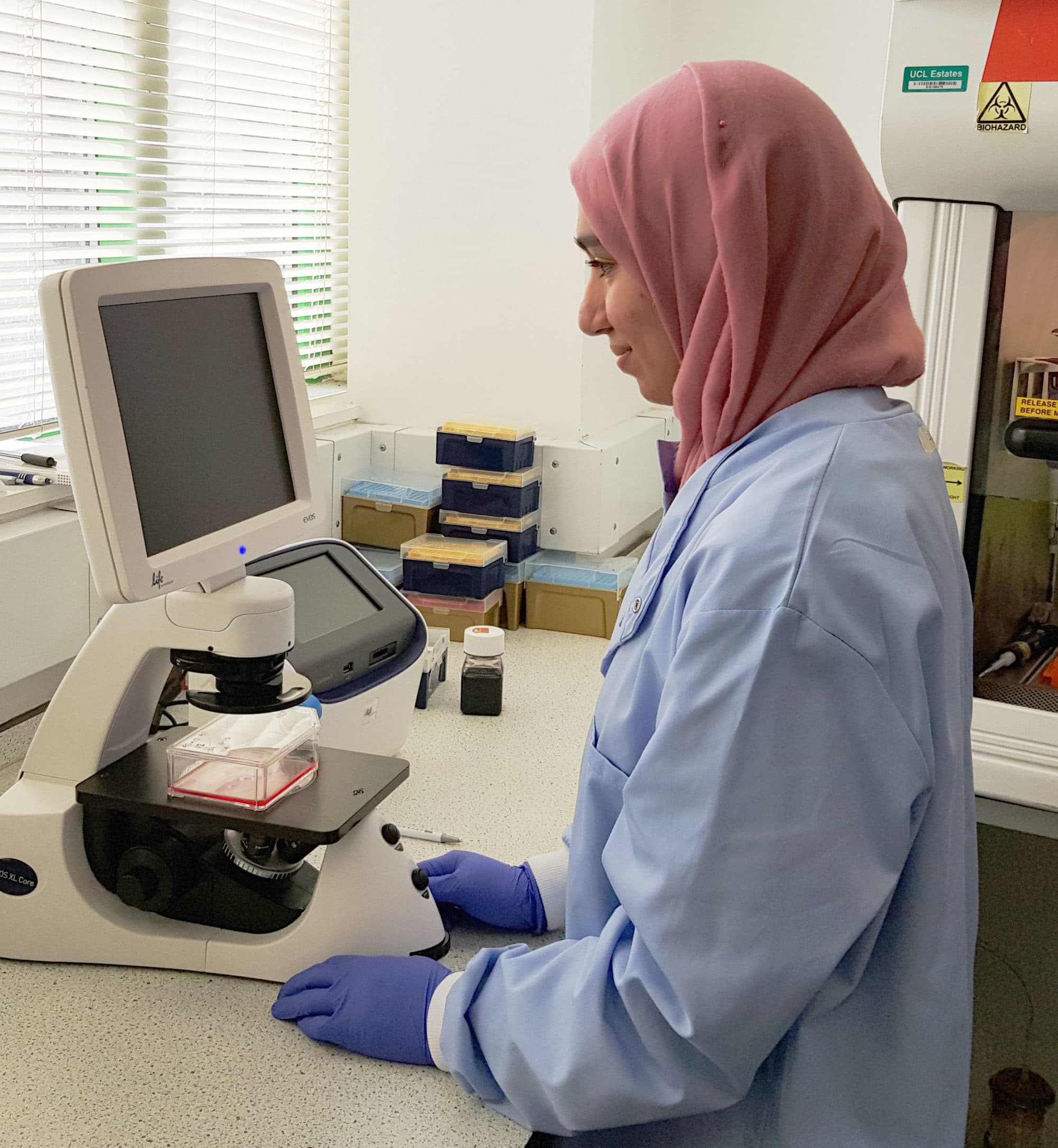
Hajrah Sarkar is a PhD student whose project is funded by Retina UK.

Inside this edition, register now for our AI webinar on 7 December with Dr Nikolas Pontikos.

Nurturing a new generation of scientists is a vital investment in the future of retinal disease research, so we are delighted to be funding, in collaboration with the Macular Society, a new PhD studentship at Oxford University, supervised by Professor Robert MacLaren.
The BBC covered a story on Monday 24 May about optogenetics partially restoring the sight of a man living with retinitis pigmentosa in France.
Our monthly e-Newsletter featuring the latest updates from Retina UK. Subscribe now to receive these updates directly to your email.
Our monthly e-Newsletter featuring the latest updates from Retina UK. Subscribe now to receive these updates directly to your email.
Our monthly e-Newsletter featuring the latest updates from Retina UK.
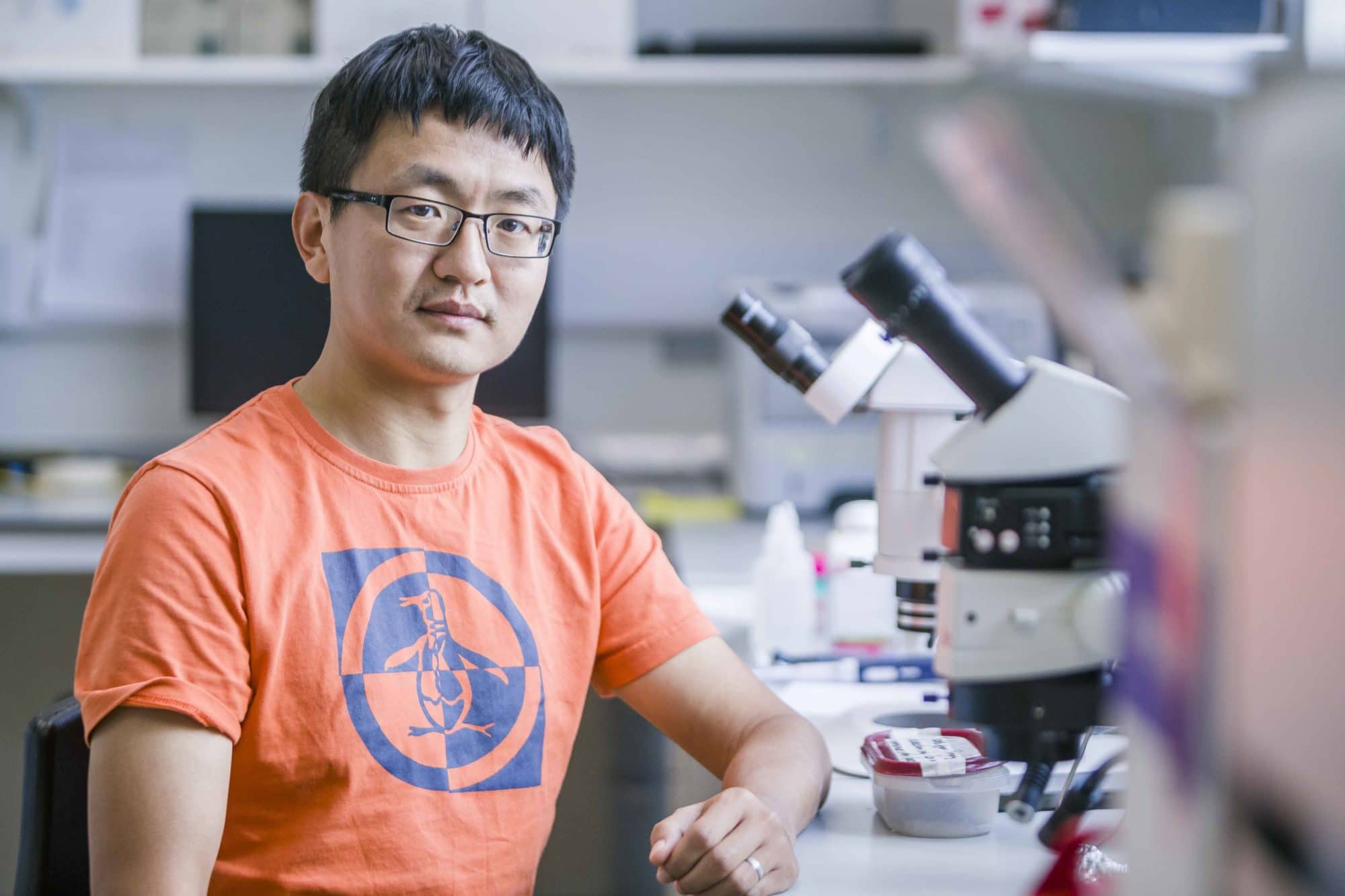
Jing Yu is a Research Assistant at the Nuffield Department of Clinical Neurosciences at the John Radcliffe Hospital in Oxford.