
Nobel Prize celebrates breakthrough science behind emerging sight-restoration research
A groundbreaking technology that uses light to control nerve cells has been recognised with the 2026 Nobel Prize.
Search results
A groundbreaking technology that uses light to control nerve cells has been recognised with the 2026 Nobel Prize.
Researchers at the University of Wisconsin-Madison have identified a potential way to make CRISPR gene editing more efficient in retinal cells, which could eventually help to develop treatments for inherited retinal dystrophies (IRDs).
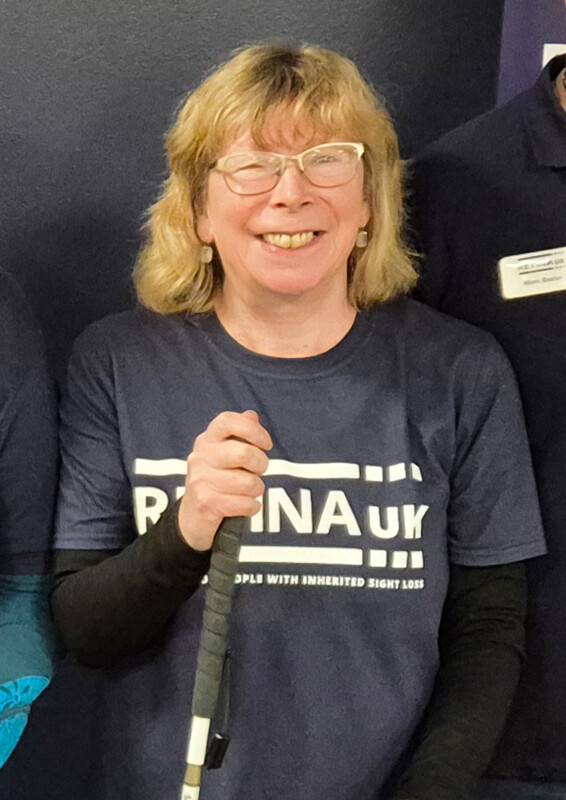
For Jane and Cindy, books have always been more than entertainment. They are a source of comfort, escape and connection – and now, through our new ‘Talking’ Books Peer Support Group, they are a way to bring people together and feel less alone.
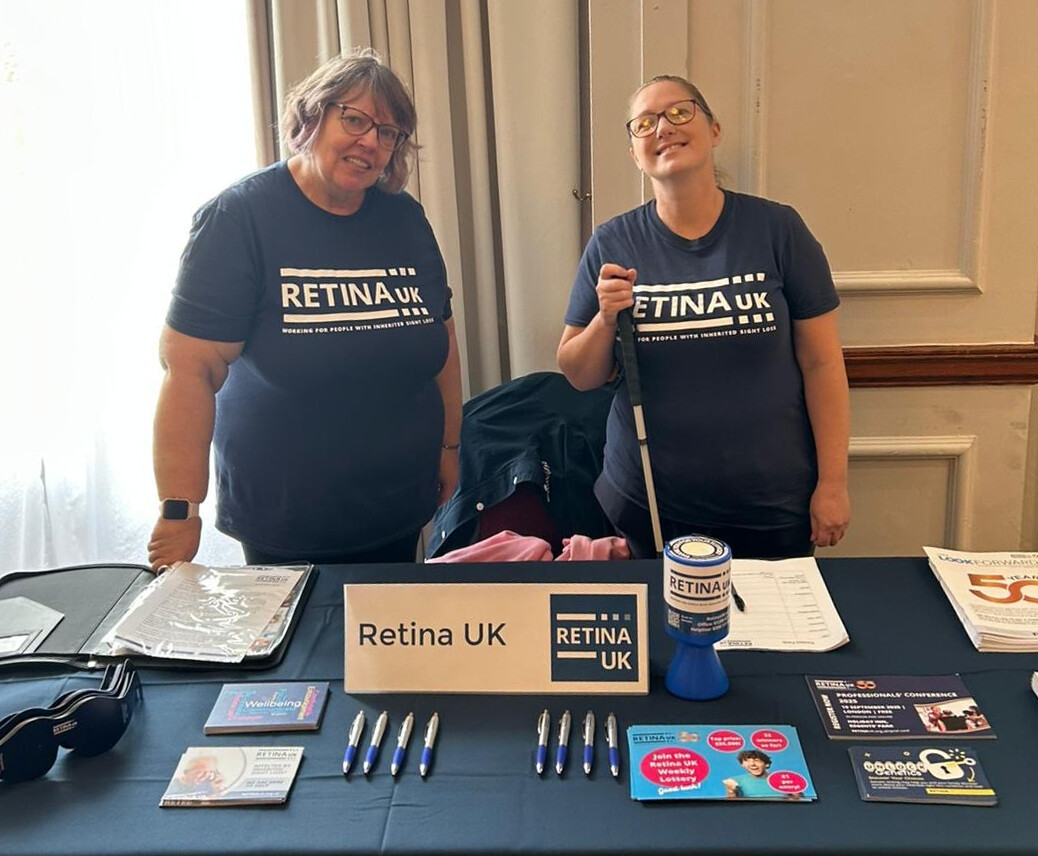
For people living with inherited retinal conditions, finding others who understand can make a profound difference. In the South-West, volunteers Suzanne and Anne are helping to create those connections – offering support, understanding and a strong sense of community across a wide and largely rural area.
Biotechnology company MeiraGTx has announced encouraging news from its phase 1/2 clinical trial of botaretigene sparoparvovec (previously known as AAV-RPGR), a gene therapy aimed at X-linked retinitis pigmentosa caused by faults in the RPGR gene.
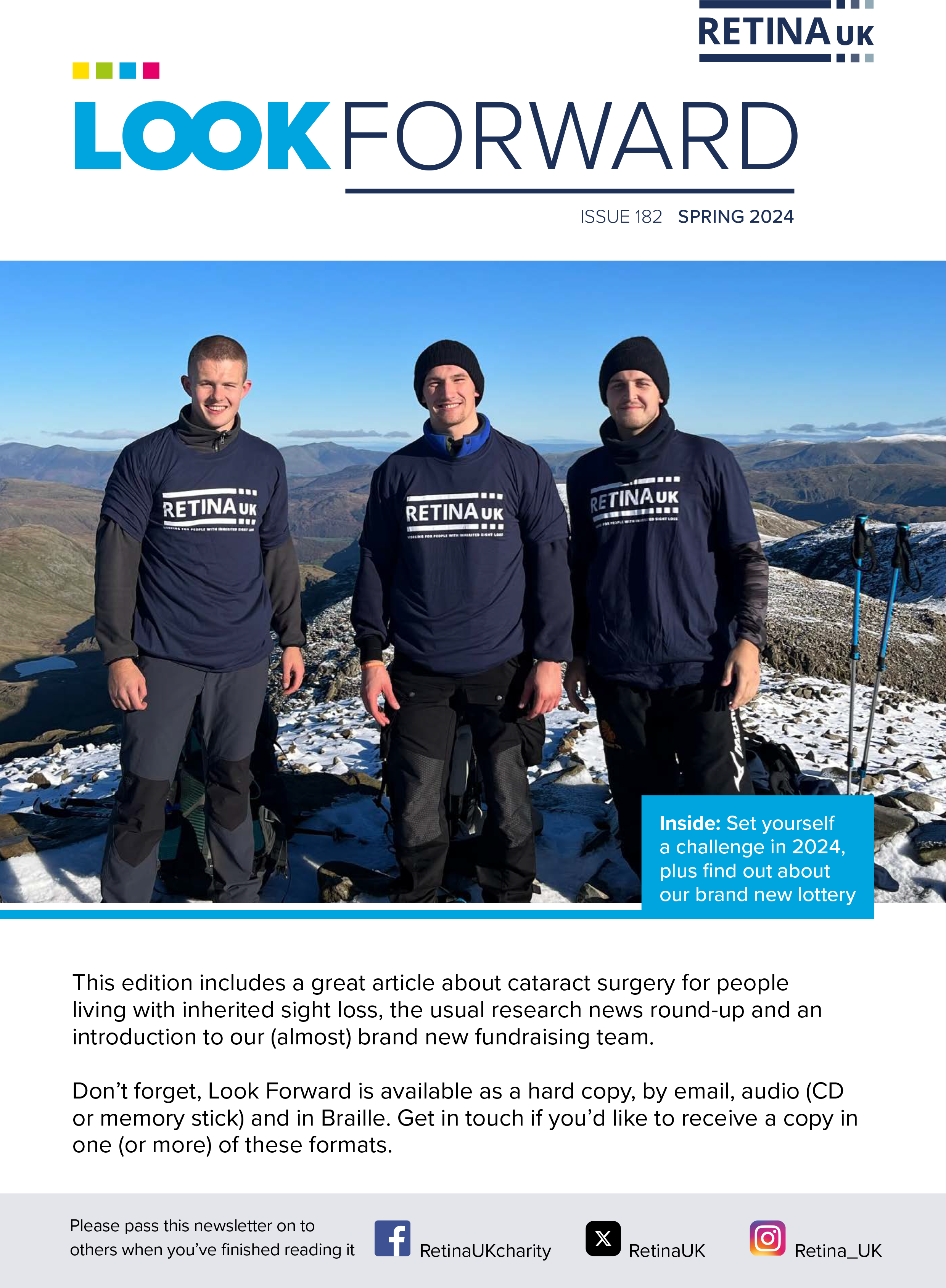
Inside this edition, set yourself a challenge in 2024, plus find out about our brand new lottery.
Since the publication of this newsletter our founder and honorary president Lynda Cantor MBE has passed away. We are all deeply saddened by this news.

Our young adults got to grips with white water rafting recently, building confidence and resilience while having fun.
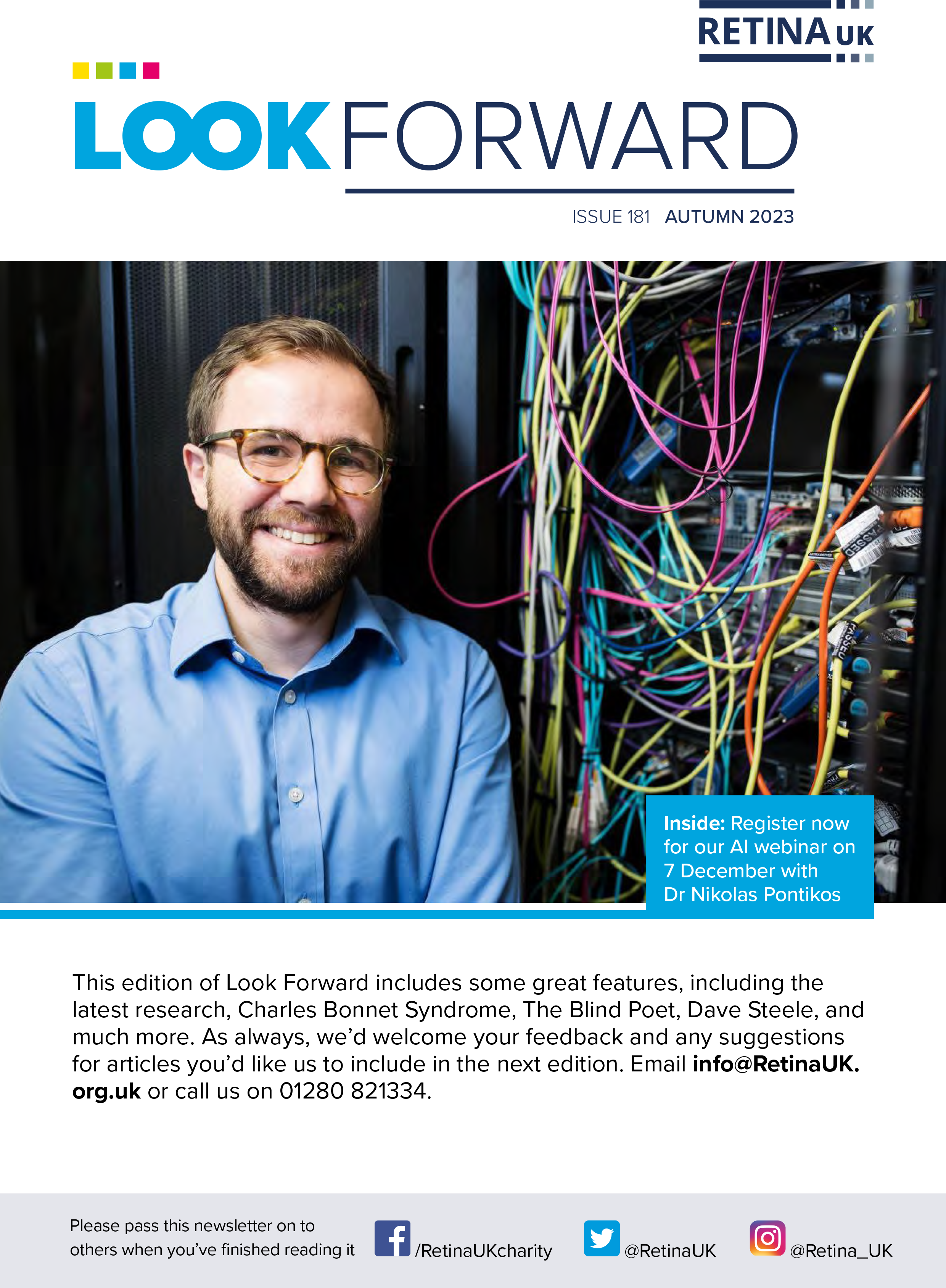
Inside this edition, register now for our AI webinar on 7 December with Dr Nikolas Pontikos.
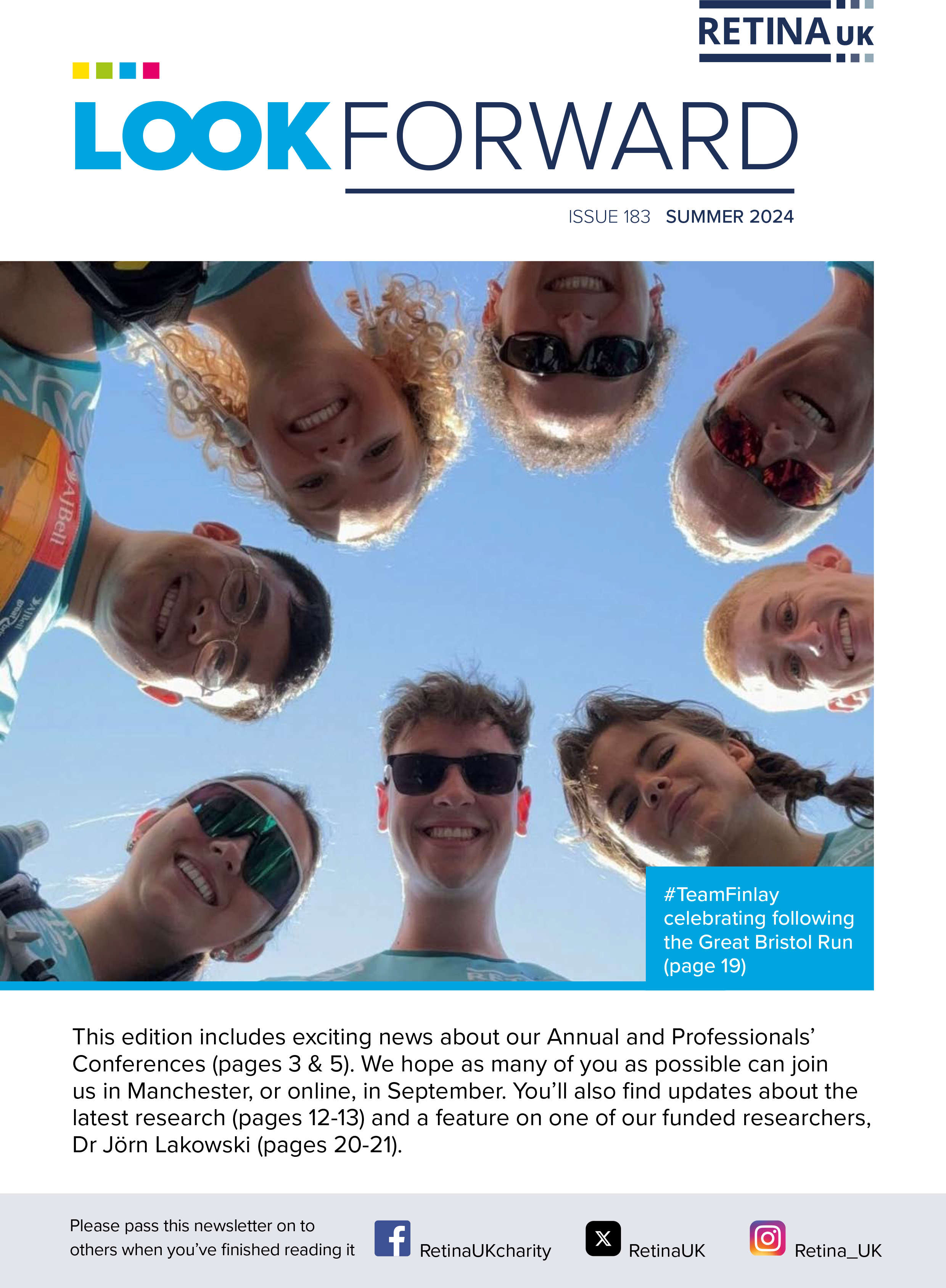
This edition includes exciting news about our Annual and Professionals’ Conferences. We hope as many of you as possible can join us in Manchester, or online, in September. You’ll also find updates about the latest research and a feature on one of our funded researchers, Dr Jörn Lakowski.